
Featured Tech Lighting Solutions
Precision-engineered lighting products designed for modern art installations, interactive museum exhibitions, and immersive creative environments.
The Rise of Tech Lighting in Modern Art & Museum Spaces
Tech lighting has fundamentally transformed the way art is experienced. No longer limited to static spotlights and fluorescent panels, today's art installations and museum exhibitions harness the full power of programmable LED systems, pixel-mapped arrays, and AI-driven control platforms to create environments that breathe, respond, and evolve in real time.
From the luminous pixel corridors of contemporary digital art museums to the precisely calibrated accent lighting of heritage galleries, advanced tech lighting solutions bridge the gap between visual storytelling and technical precision. The global museum lighting market is projected to exceed $3.2 billion by 2028, with interactive and programmable LED systems accounting for the fastest-growing segment.
As curators, architects, and artists increasingly collaborate on multisensory experiences, the demand for flexible, high-performance, and energy-efficient lighting technologies has never been greater. This page explores the commercial landscape, emerging trends, and deep-dive application scenarios that define tech lighting for modern art installations and interactive museum exhibitions.
Core Technologies Powering Exhibition Lighting
Programmable LED Arrays
Individually addressable RGB and RGBW LEDs enable curators to craft dynamic color narratives that shift with time, audience interaction, or thematic content — delivering unmatched creative freedom.
DMX512 Control Systems
Industry-standard DMX512 protocol allows centralized, frame-accurate control of thousands of lighting channels simultaneously, enabling synchronized theatrical effects across entire gallery floors.
Pixel Mapping & Media Servers
Pixel mapping technology converts architectural surfaces into dynamic video canvases, allowing artists to project motion graphics and generative art directly onto LED installations at scale.
AI-Driven Adaptive Lighting
Machine learning algorithms analyze visitor behavior, ambient light conditions, and content schedules to automatically optimize lighting parameters — enhancing both artwork preservation and visitor experience.
Commercial & Industrial Landscape of Museum Tech Lighting
The commercial deployment of advanced tech lighting in cultural institutions has accelerated dramatically over the past decade. Major international museums — including the Louvre Abu Dhabi, the National Museum of China, and the Tate Modern — have invested heavily in programmable LED infrastructure that can be reconfigured for each new exhibition without structural renovation.
On the industrial supply side, manufacturers have responded with modular, plug-and-play lighting ecosystems that reduce installation time by up to 60% compared to traditional hardwired systems. Standardized DMX and Art-Net protocol compatibility ensures that lighting from different vendors can be orchestrated through a single control interface.
🔬 The global smart museum lighting market is growing at a CAGR of 14.7%, driven by rising investments in immersive visitor experiences and sustainable energy mandates.
Interactive exhibition design agencies now routinely budget 18–25% of total project costs for intelligent lighting infrastructure, recognizing that dynamic illumination is as central to visitor engagement as the artworks themselves. B2B procurement has shifted toward long-term service agreements that include firmware updates, remote monitoring, and predictive maintenance powered by IoT sensor networks.
Emerging Trends in Exhibition Lighting Technology
The intersection of digital art and intelligent lighting is producing new paradigms that redefine how audiences interact with cultural spaces.
Biometric-Responsive Lighting
Next-generation museum installations incorporate biometric sensors that detect visitor heart rate, gaze direction, and emotional state, triggering real-time lighting responses that personalize the art experience for each individual. This technology transforms passive viewers into active participants.
Tunable White & Circadian Lighting
Conservation-grade tunable white LED systems allow museum staff to shift color temperature throughout the day — mimicking natural daylight cycles to reduce artwork degradation while maintaining optimal visual rendering for visitors at any hour.
3D Holographic Light Sculptures
Volumetric LED displays and holographic projection systems are enabling artists to create three-dimensional light sculptures that occupy physical space without solid structures — blurring boundaries between installation art and architectural experience.
Wireless Mesh Lighting Networks
Zigbee and Thread-based wireless mesh protocols eliminate cable infrastructure in temporary exhibition environments, enabling rapid deployment and reconfiguration of complex lighting rigs in hours rather than days — dramatically reducing production costs.
Generative AI Light Compositions
Artists and technologists are deploying generative AI models that compose real-time lighting sequences based on musical input, weather data, or social media sentiment — creating ever-evolving light environments that never repeat the same pattern twice.
Sustainable & Solar-Integrated Systems
Leading cultural institutions are integrating building-integrated photovoltaics (BIPV) with intelligent LED management systems to achieve net-zero energy exhibitions — demonstrating that spectacular lighting and environmental responsibility are fully compatible.
Deep-Dive Application Scenarios
Understanding how tech lighting is deployed across specific exhibition contexts reveals the full depth of its transformative potential.
🏛️ Permanent Collection Galleries
In permanent collection settings, tech lighting must balance aesthetic enhancement with long-term conservation. UV-filtered LED systems with CRI values exceeding 95 ensure that paintings, sculptures, and textiles are rendered with absolute color fidelity while eliminating the infrared and ultraviolet radiation that causes irreversible material degradation. Programmable accent lighting allows curators to shift emphasis between artworks seasonally, refreshing the visitor experience without physical rearrangement.
🎨 Immersive Digital Art Installations
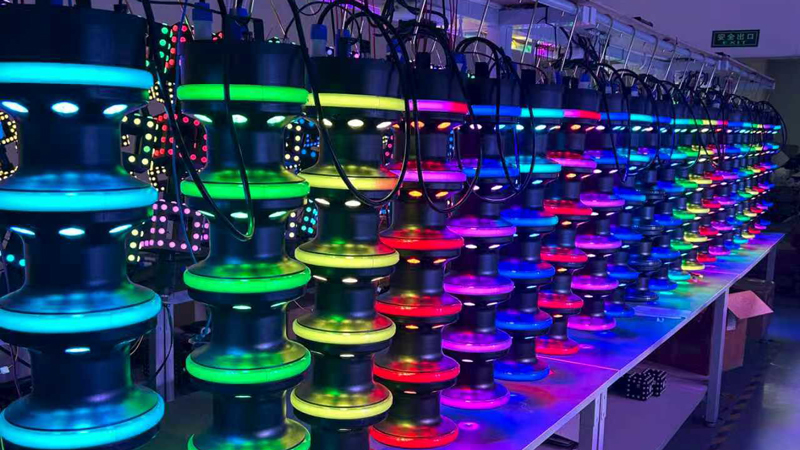
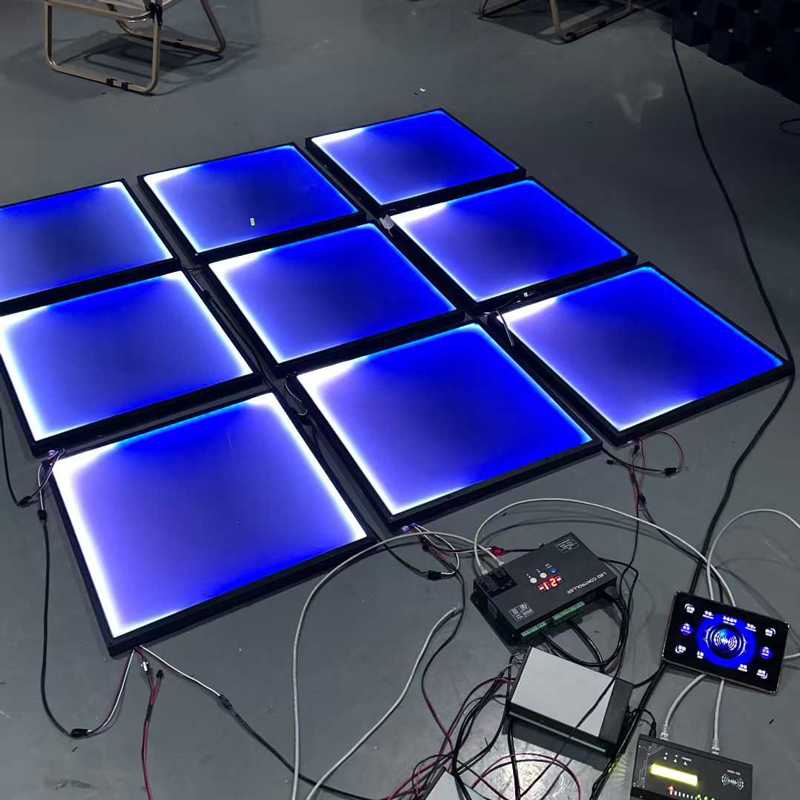
Immersive art spaces such as teamLab Borderless and Meow Wolf have demonstrated the commercial viability of total-environment lighting installations. These venues deploy tens of thousands of individually addressable LED pixels across floors, walls, and ceilings, all orchestrated through real-time media servers that synchronize light with sound, motion tracking, and generative visual content. Pixel Wave lighting systems and 3D sculptural LED forms are central to achieving the depth and dimensionality that define these experiences.
🔬 Science & Technology Museums
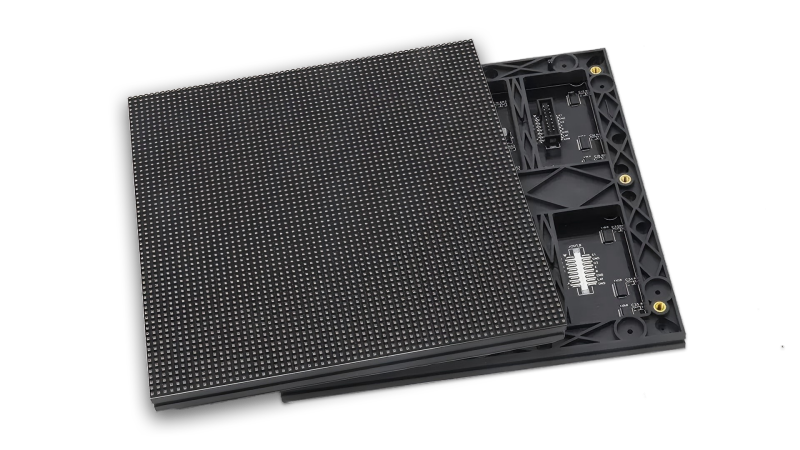
Interactive science museums leverage DMX-controlled lighting to create educational theater environments where exhibits literally illuminate in response to visitor interaction. Touch-sensitive LED panels, motion-triggered light sequences, and color-coded information displays transform abstract scientific concepts into visceral, memorable learning experiences. The integration of LED display modules with exhibition content management systems enables real-time data visualization as living light art.
🌆 Outdoor Public Art & Urban Installations
Tech lighting extends beyond enclosed museum walls into public urban spaces. IP65-rated pixel mapping systems and weatherproof DMX fixtures enable artists to transform building facades, plazas, and bridges into monumental light canvases. Annual events such as Vivid Sydney and Amsterdam Light Festival generate hundreds of millions in tourism revenue, demonstrating the powerful economic case for investment in high-performance outdoor art lighting infrastructure.
🎭 Temporary & Traveling Exhibitions
The logistical demands of traveling exhibitions — where lighting rigs must be dismantled, shipped, and reassembled in venues with different architectural configurations — have driven demand for ultra-modular LED systems with tool-free installation, automatic DMX address assignment, and cloud-based configuration backup. These systems allow exhibition lighting designers to replicate precise lighting environments across multiple venues worldwide with minimal on-site calibration time.
Why Choose Us
Trusted by leading art institutions, exhibition designers, and event producers worldwide for cutting-edge tech lighting solutions.
Services
Offers professional design, 3D solutions, and marketing support for advertising projects and complex exhibition lighting deployments.
Control Systems
We offer advanced lighting control systems that allow for seamless integration and precise control of all lighting fixtures across multi-zone exhibition environments.
Market
Serves over 30,000 companies, including Global 500s, and exports to 30+ countries — delivering tech lighting solutions to cultural institutions on every continent.
Support
Provides 24h online service with our sales team, proficient in multiple languages — ensuring seamless project support from concept to commissioning.
High Quality of The Product
With an excellent management group and technical group, the company will make efforts to increase R & D investment in order to ensure the high quality of the product for clients. Our company's vision is: SINCERE, PROFESSIONAL, INNOVATION.
Every tech lighting product we manufacture for art installations and museum exhibitions undergoes rigorous quality assurance testing — including thermal cycling, photometric calibration, EMC compliance verification, and long-duration burn-in testing — to ensure flawless performance in the demanding environments of professional cultural institutions.
⚡ Our LED systems achieve L70 lifespan ratings exceeding 50,000 hours — ensuring decades of reliable operation in permanent collection galleries.
From pixel wave light arrays to professional DMX control consoles, our product range is engineered to meet the exacting standards of the world's most prestigious art museums, science centers, and interactive exhibition spaces.
Factory Tour
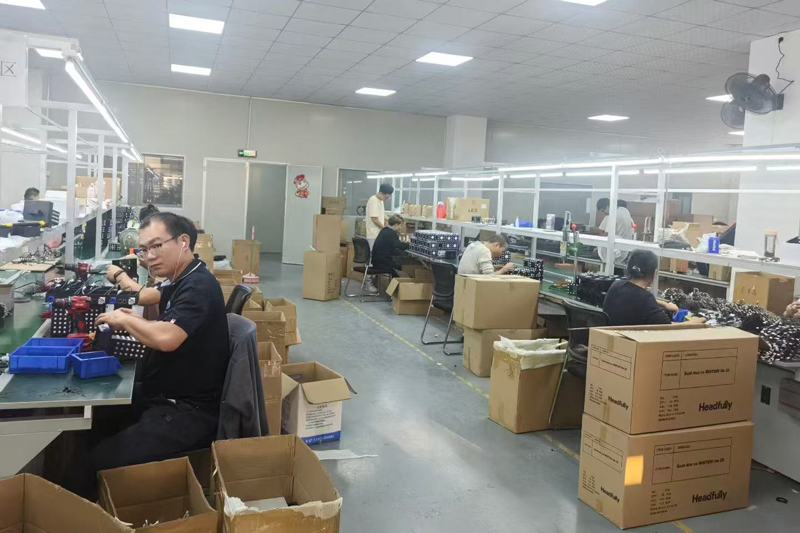
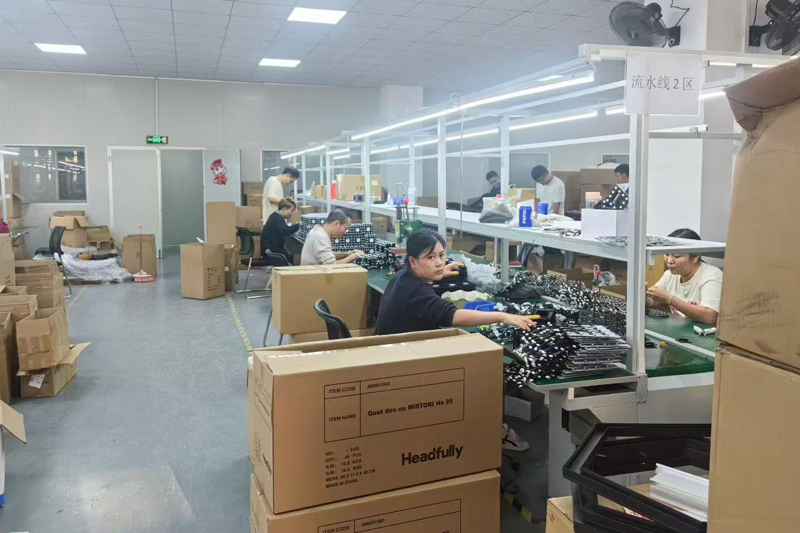
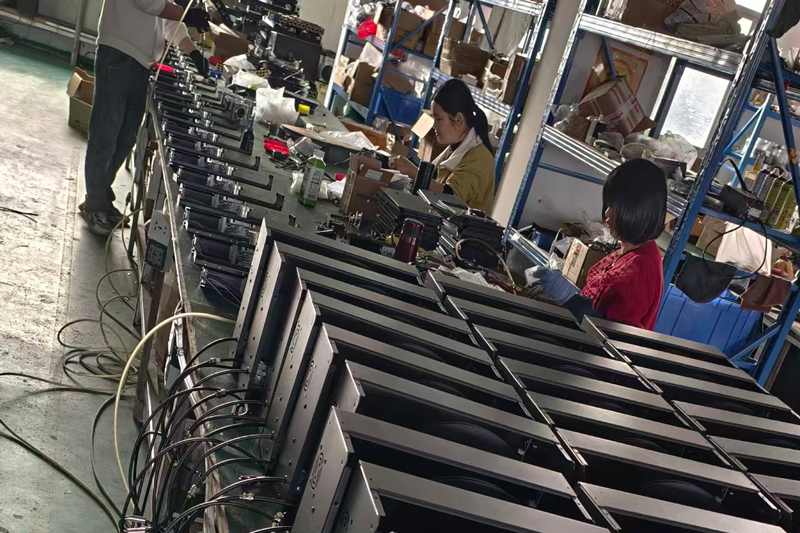
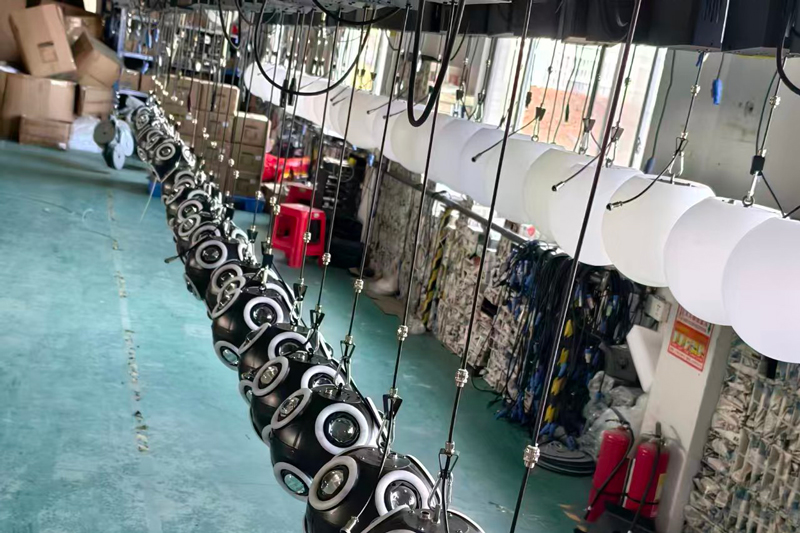
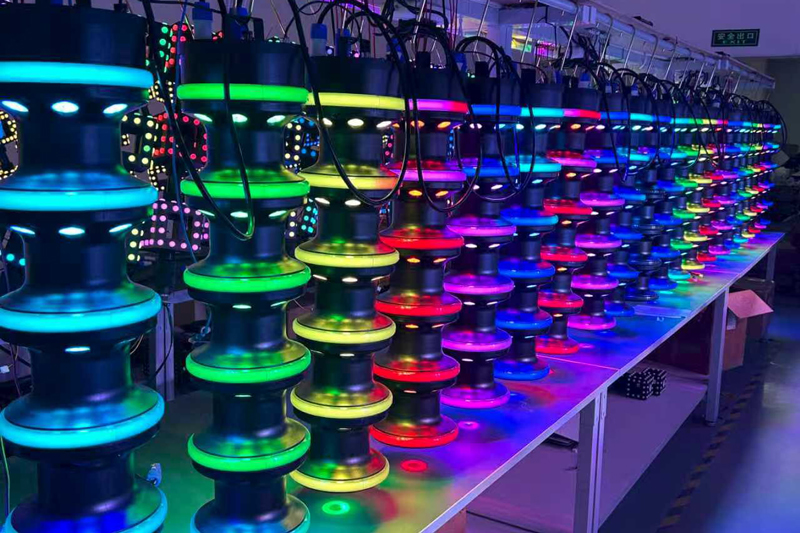
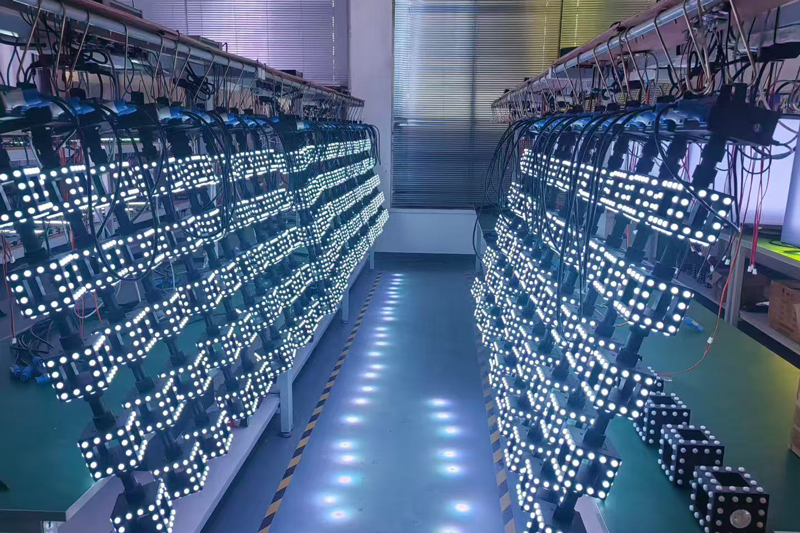
Our state-of-the-art manufacturing facility is equipped with advanced production lines, precision testing equipment, and rigorous quality control processes — ensuring every product meets the highest standards for tech lighting in art and museum applications.
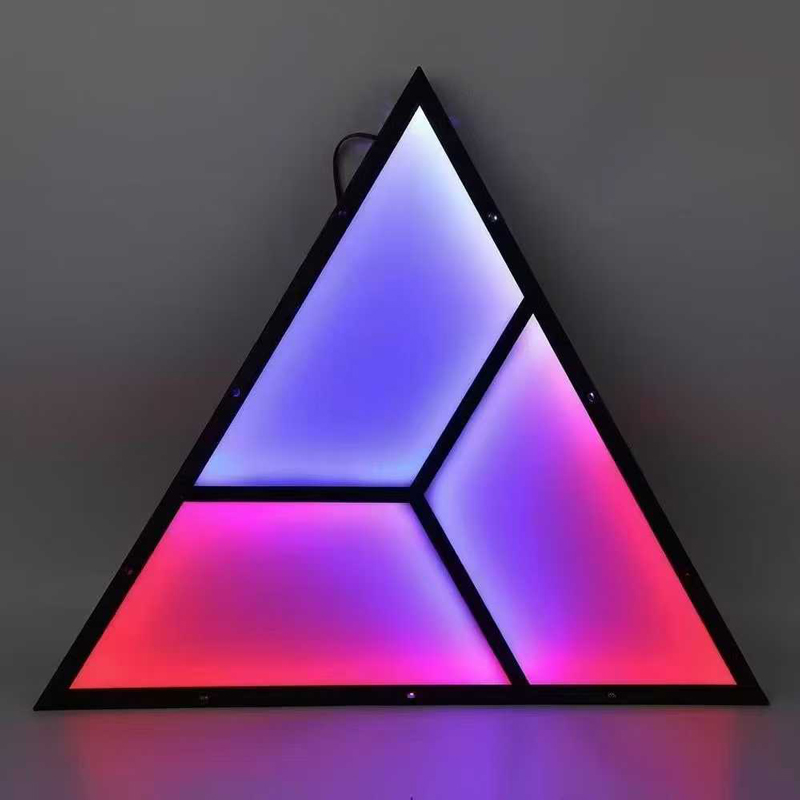
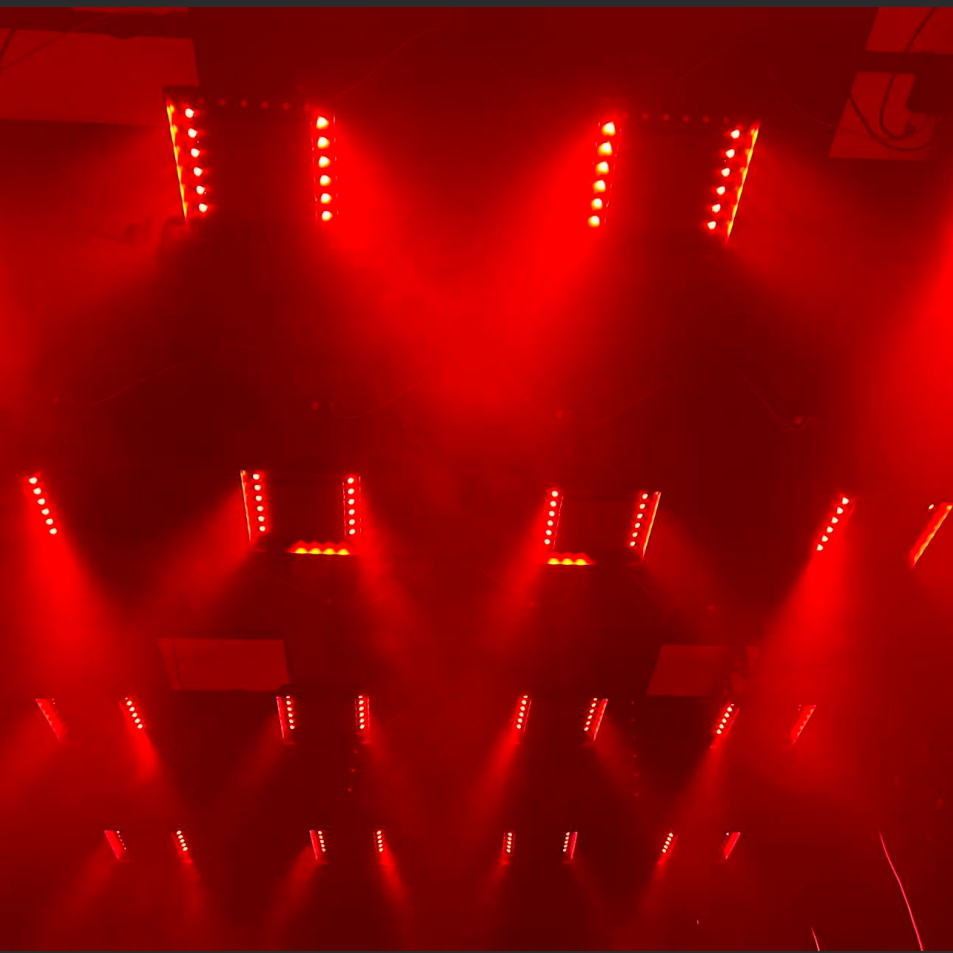
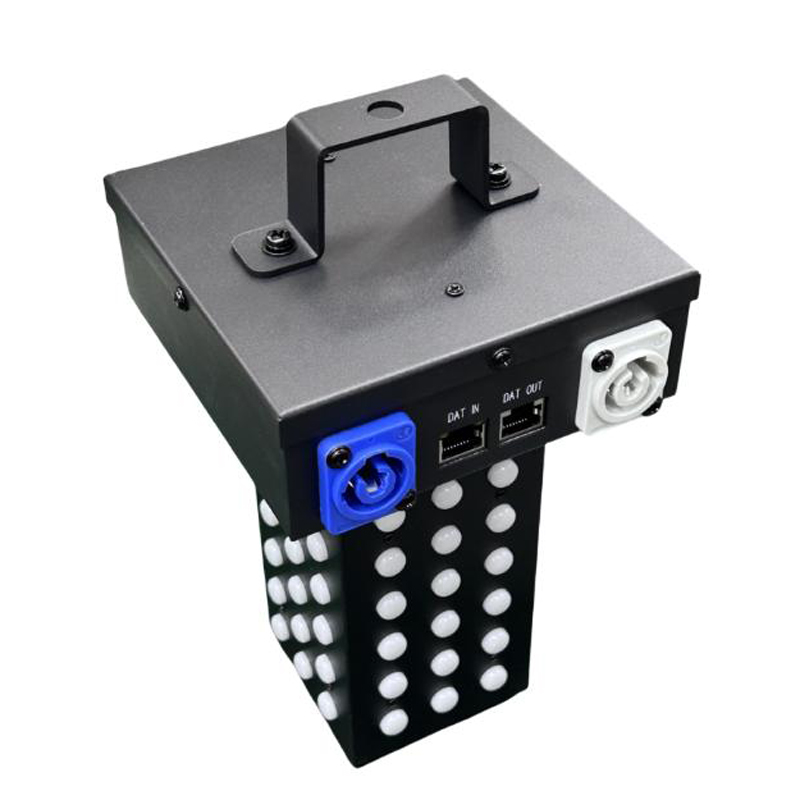
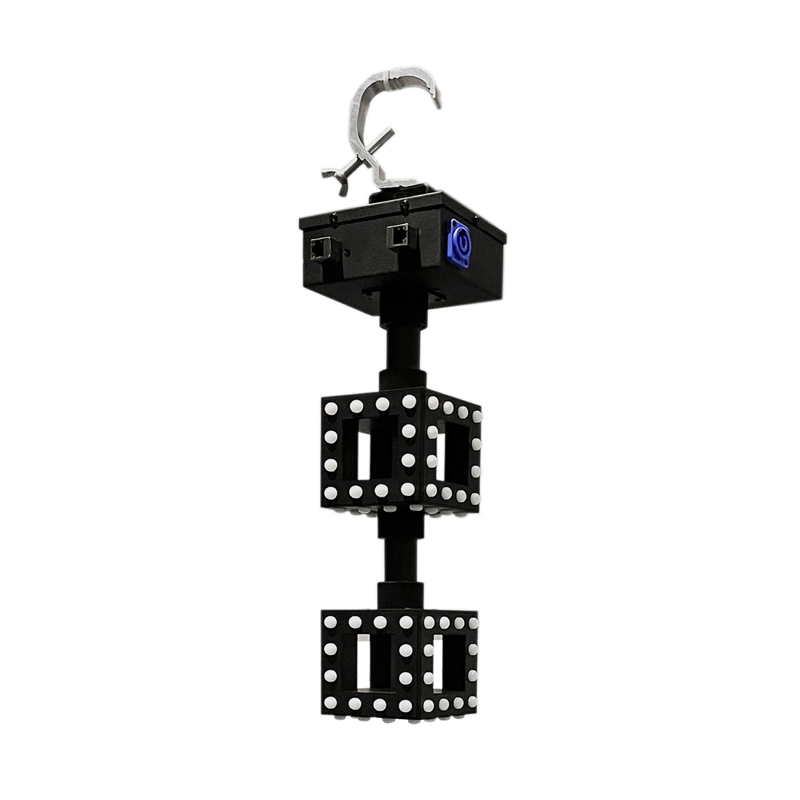
Complete Tech Lighting Product Range
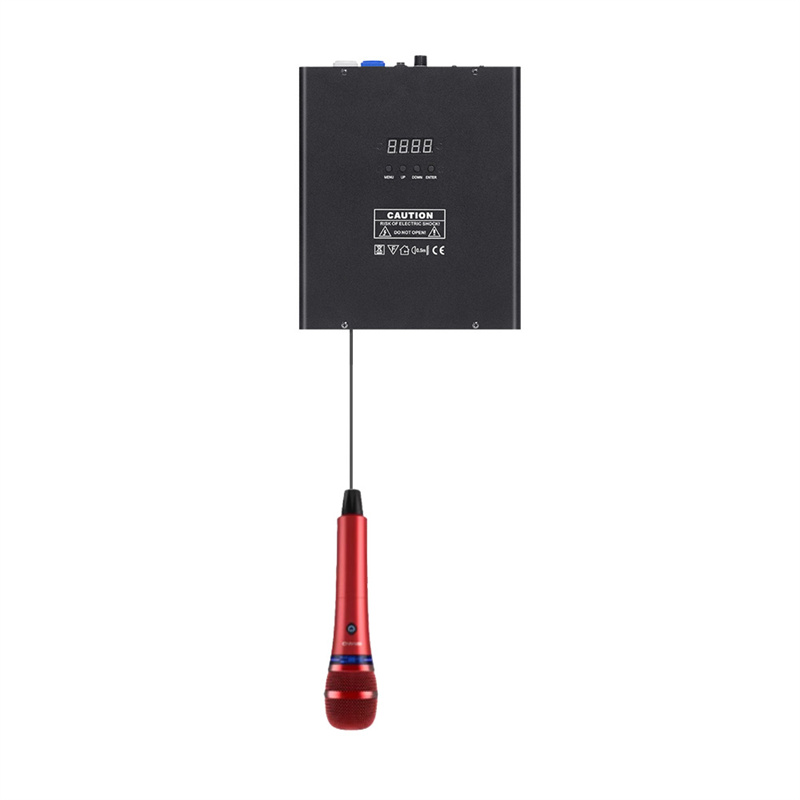
Explore our full portfolio of intelligent lighting solutions engineered for modern art installations, interactive museum exhibitions, and immersive creative environments.

-
CONTACT WHATSAPP
-


-
CONTACT WECHAT
-


-
CONTACT ADDRESS
 Huafafengshang, Doumen District, Zhuhai, Guangdong, China
 -
 Huafafengshang, Doumen District, Zhuhai, Guangdong, China
 -
CONTACT NUMBER
-


-
CONTACT E-MAIL
-

