
Featured Immersive Lighting Solutions
Cutting-edge tech lighting products engineered for digital art galleries, interactive installations, and next-generation exhibition environments.
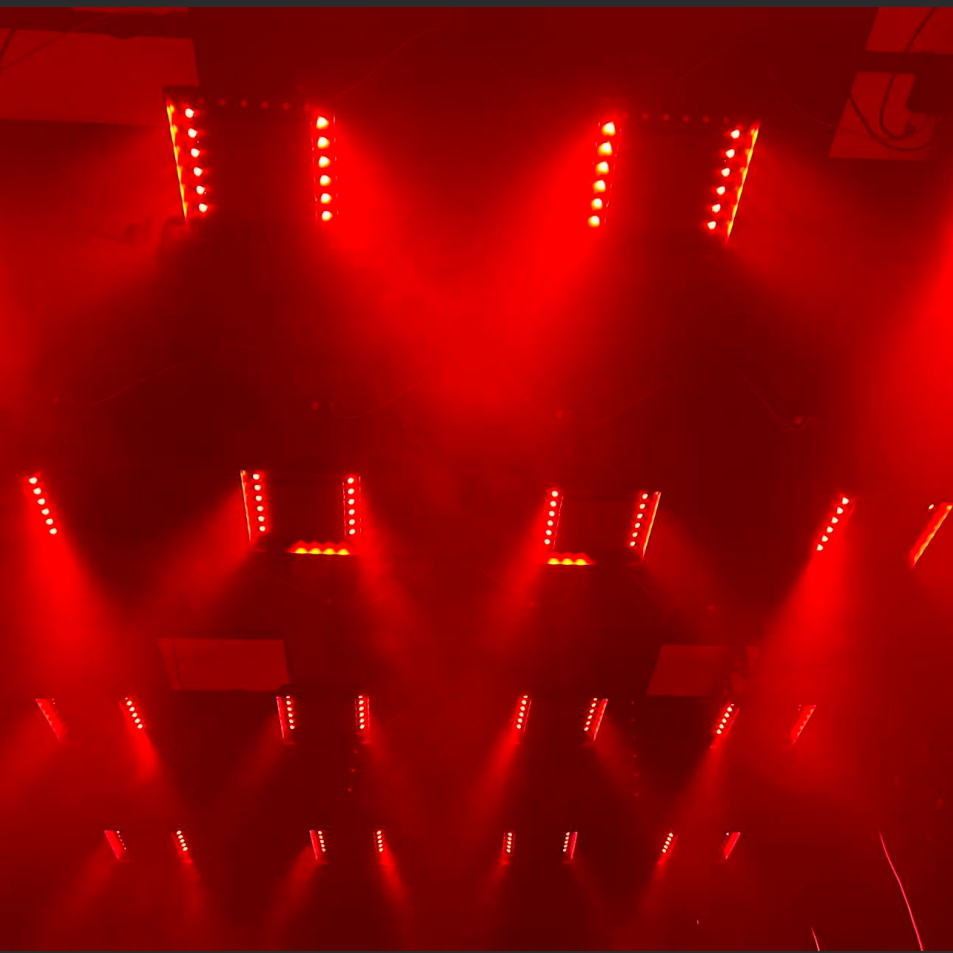
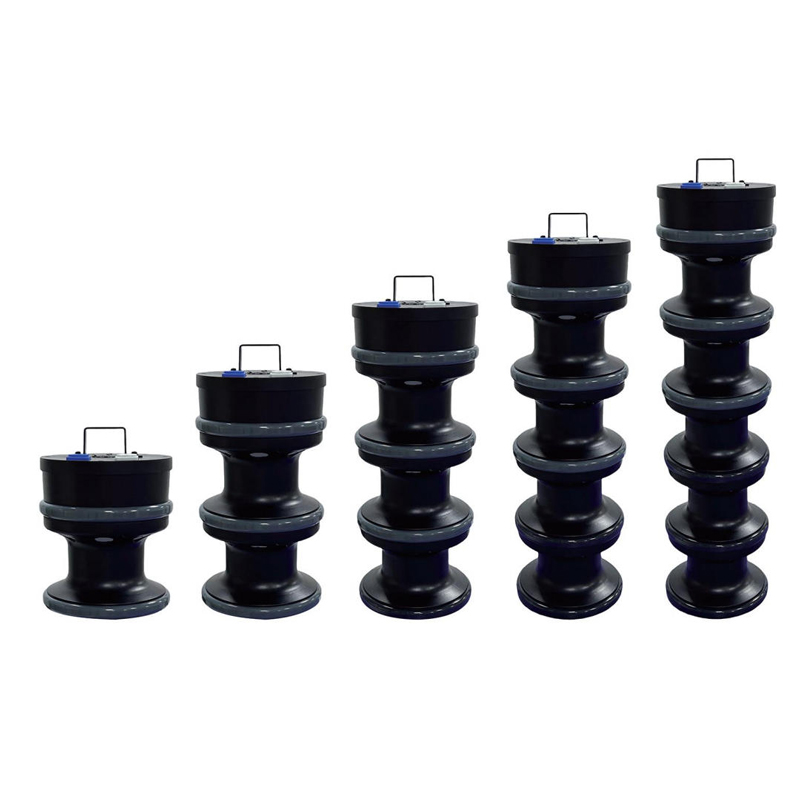
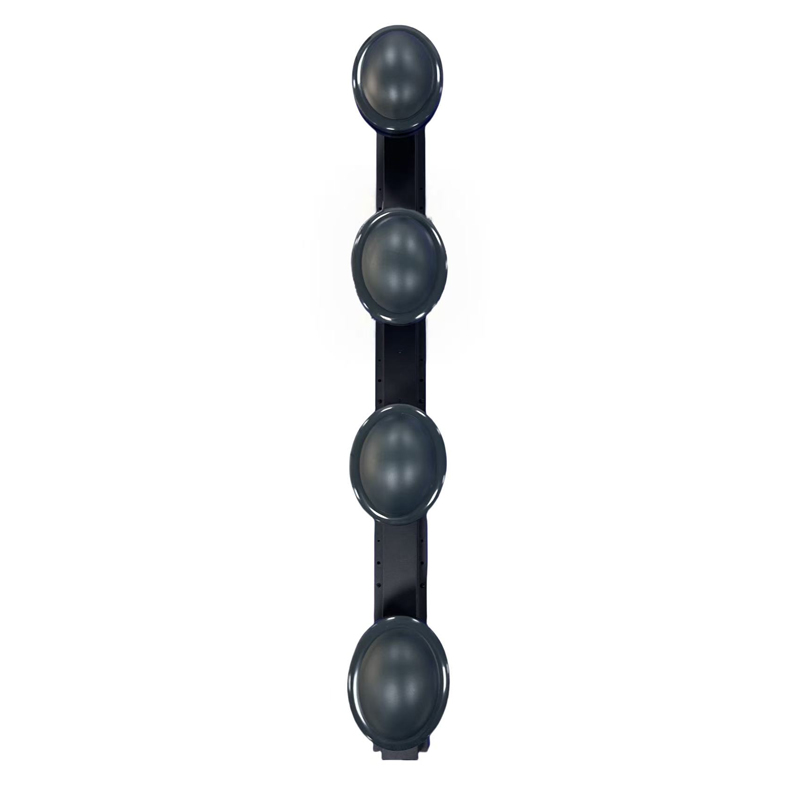
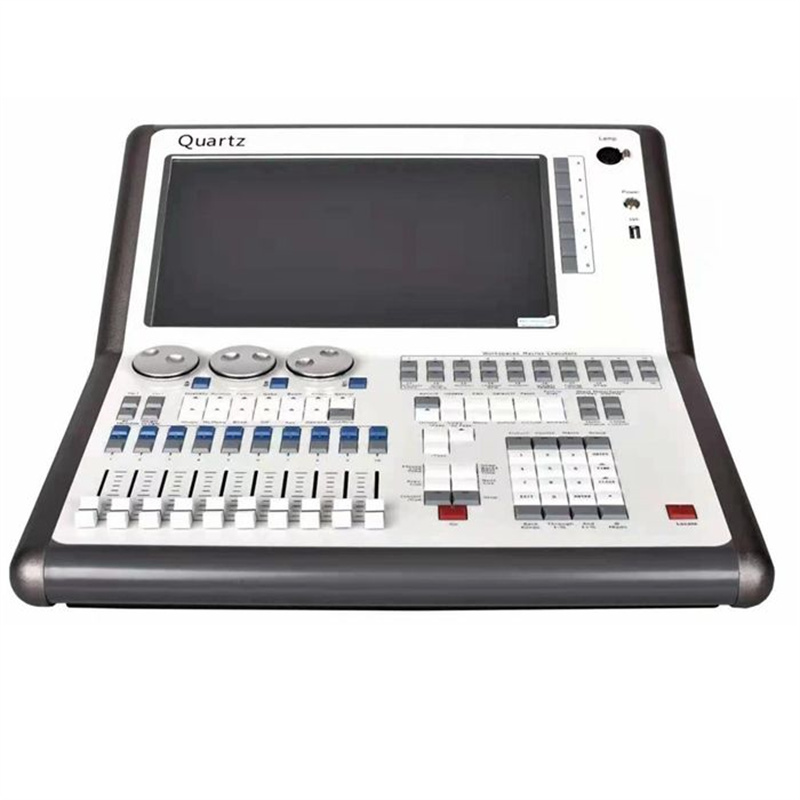
The Rise of Tech Lighting in Digital Art and Exhibition Spaces
The global landscape for immersive digital experiences has evolved dramatically over the past decade. Museums, technology expos, brand activation centers, and digital art galleries are no longer satisfied with conventional static illumination. Today, tech lighting — encompassing programmable LED arrays, pixel-mapped fixtures, DMX-controlled systems, and 3D holographic-effect luminaires — forms the backbone of every world-class immersive environment.
According to recent industry analyses, the global smart lighting market is projected to surpass $38 billion by 2028, with the entertainment, art, and exhibition segment emerging as one of the fastest-growing verticals. Major cultural institutions such as the Louvre Abu Dhabi, teamLab Borderless in Tokyo, and the National Museum of Qatar have already invested heavily in advanced LED pixel control systems, demonstrating that tech lighting is no longer a luxury — it is an essential infrastructure for immersive storytelling.
"Immersive digital environments demand lighting that moves, reacts, and breathes alongside the artwork. Pixel-accurate LED systems are not just fixtures — they are part of the canvas itself."
From the dazzling wave-pattern installations in contemporary art museums to the precisely choreographed LED matrices at CES and Mobile World Congress, tech lighting solutions have redefined how audiences engage with exhibitions. The convergence of RGB pixel technology, wireless DMX control, real-time generative software (such as Madrix and Resolume), and AI-driven automation has made it possible to deliver personalized, reactive lighting narratives at scale.
Industry Trends Shaping Tech Lighting for Exhibitions
Understanding where the market is heading helps curators, architects, and brand managers make smarter lighting investments for digital spaces.
AI-Driven Adaptive Lighting
Machine learning algorithms now enable lighting systems to detect audience density, movement, and emotional response — automatically adjusting color temperature, intensity, and dynamic patterns to optimize visitor engagement in real time.
IoT & Cloud-Connected Control
Modern exhibition lighting is increasingly managed via cloud dashboards and IoT gateways. Curators can remotely reprogram entire gallery environments from anywhere in the world, enabling synchronized global exhibition launches across multiple venues.
Generative & Reactive Art Integration
Tech lighting is merging with generative art software. Systems like Madrix, Resolume, and TouchDesigner allow artists to drive LED pixel arrays directly from visual compositions, turning entire rooms into living, breathing light sculptures.
Ultra-High Density Pixel Mapping
Advances in LED chipset miniaturization have pushed pixel pitch to sub-millimeter levels, enabling galleries to display photorealistic imagery across curved architectural surfaces, stairwells, columns, and suspended ceiling installations.
Sustainable & Energy-Smart Systems
Leading exhibition centers are adopting DALI-2 and 0-10V dimming protocols alongside solar-assisted power supplies, reducing energy consumption by up to 70% compared to traditional halogen or fluorescent systems while maintaining vivid color accuracy.
XR & Metaverse Lighting Sync
As hybrid physical-digital exhibitions grow, tech lighting systems are being designed to synchronize with AR/VR and metaverse environments — ensuring that physical light conditions match the virtual overlay viewers experience through headsets or mobile devices.
Deep-Dive Application Scenarios for Tech Lighting
From museum installations to corporate tech summits, discover how advanced lighting transforms every type of immersive digital environment.
🖼️ Immersive Digital Art Galleries
Contemporary digital art institutions require lighting that can shift from cool white (6500K) for detailed artwork viewing to full RGB spectrum for immersive projection-mapped environments — all within seconds. Pixel wave systems create flowing light corridors that guide visitors through thematic zones while reinforcing the emotional language of each artwork. DMX master controllers allow curators to program multi-act lighting shows that correspond precisely to scheduled exhibition events, artist talks, and opening nights.
🔬 Technology & Science Exhibitions
At technology expos, CES-style showcases, and science center installations, lighting must communicate precision and innovation. 3D matrix LED arrays — such as bamboo-structure configurations — create depth-of-field illusions that make product demos and prototypes appear to float in space. HDMI and DVI-interfaced lighting controllers allow exhibitors to lock LED animations directly to video content, ensuring perfect synchronization between screen presentations and surrounding environmental lighting.
🏢 Brand Activation & Corporate Events
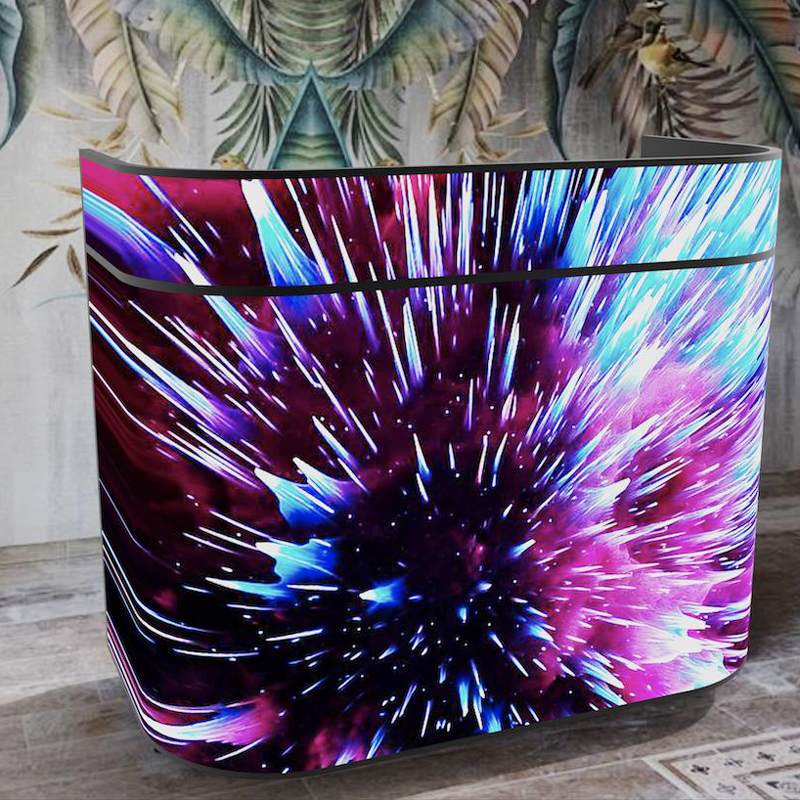
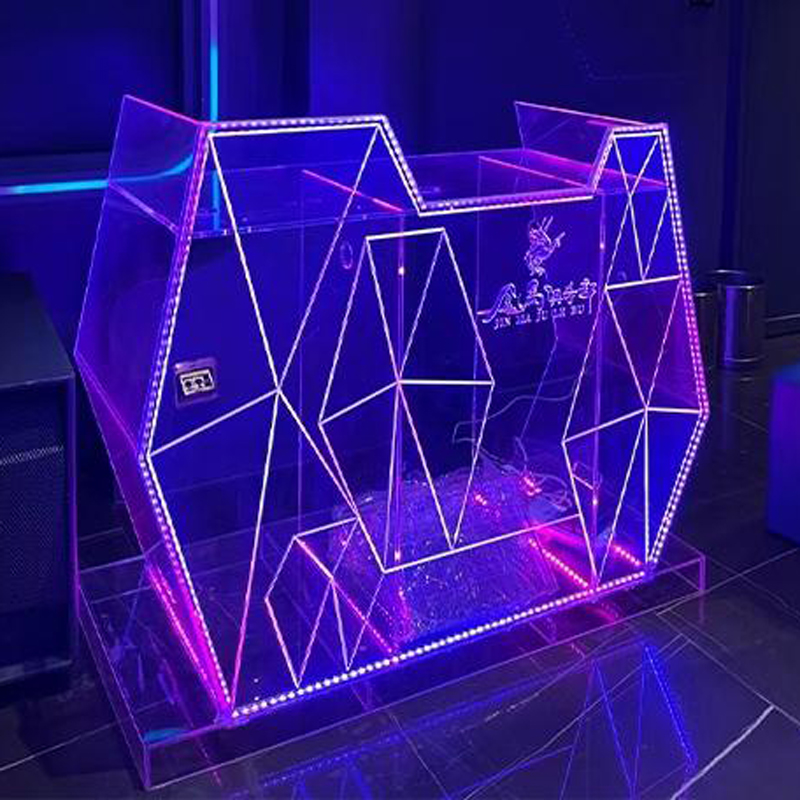
Fortune 500 companies increasingly leverage tech lighting at product launches, shareholder meetings, and annual conferences. UFO-style pixel bar fixtures mounted in overhead grids create dramatic reveal sequences, while programmable LED desks and acrylic display surfaces add interactive tactility to product demonstration zones. Multi-channel DMX consoles allow event designers to pre-program hour-long lighting narratives without any manual intervention during the event itself.
🎭 Performing Arts & Live Entertainment
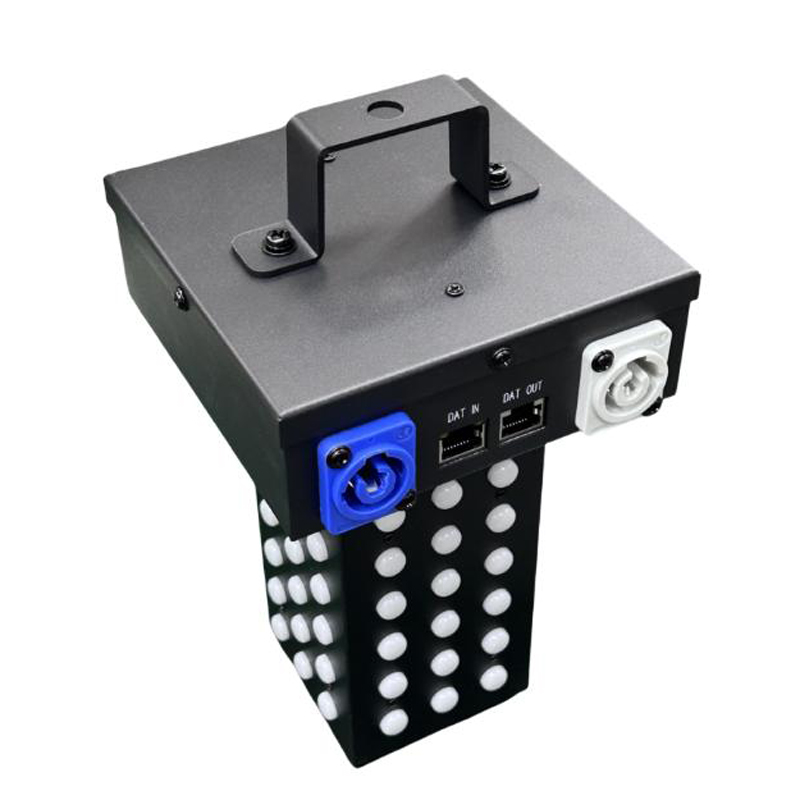
Concert venues, theatrical stages, and immersive escape rooms benefit from the same pixel LED technology used in gallery settings. The ability to generate music-reactive lighting — with controllers that analyze BPM and frequency response in real time — delivers a sensory experience that conventional stage lighting simply cannot achieve. 3D corn light arrays create volumetric effects that appear as holographic columns from audience sightlines, enhancing the spatial drama of live performance.
🛍️ Retail Flagship & Luxury Store Environments
High-end retail flagships are adopting exhibition-grade tech lighting to differentiate customer experiences. Programmable LED surfaces behind product displays shift color and intensity based on time of day, promotional calendars, and even social media trend data — creating a living brand environment that encourages longer dwell time and higher conversion rates. Transparent acrylic LED desks serve double duty as display surfaces and interactive lighting installations, eliminating the boundary between product and experience.
🏛️ Cultural Heritage & Museum Retrofits
Historic buildings and traditional museums face unique lighting challenges: preserving artifacts while modernizing visitor engagement. Low-UV, high-CRI LED systems (Ra > 95) protect sensitive works on paper, textiles, and pigments while rendering colors with near-natural accuracy. Retrofit LED controllers compatible with legacy DMX infrastructure allow heritage institutions to upgrade their lighting capability without expensive rewiring, making tech lighting accessible to organizations with limited capital budgets.
Commercial & Industrial Landscape of Tech Lighting
The commercial ecosystem surrounding tech lighting for exhibitions and digital galleries is multi-layered, involving hardware manufacturers, software developers, system integrators, lighting designers, and venue operators. Understanding this value chain is critical for procurement teams, gallery directors, and event technology managers seeking best-in-class solutions.
Market Segmentation and Key Players
The global exhibition lighting market is broadly divided into three tiers: entry-level programmable LED systems (targeting small galleries and pop-up activations), mid-range pixel and DMX solutions (for permanent installations in established cultural institutions), and enterprise-grade integrated lighting platforms (used by major theme parks, world expositions, and international brand activations).
Leading Chinese manufacturers have emerged as dominant suppliers in the mid-range and premium segments, leveraging scale manufacturing, advanced R&D capabilities, and competitive pricing to win projects across Europe, North America, the Middle East, and Southeast Asia. With exports reaching more than 30 countries and serving over 30,000 corporate clients — including Global Fortune 500 companies — these manufacturers have demonstrated the capacity to deliver consistent quality at volume.
The Role of Software in Modern Exhibition Lighting
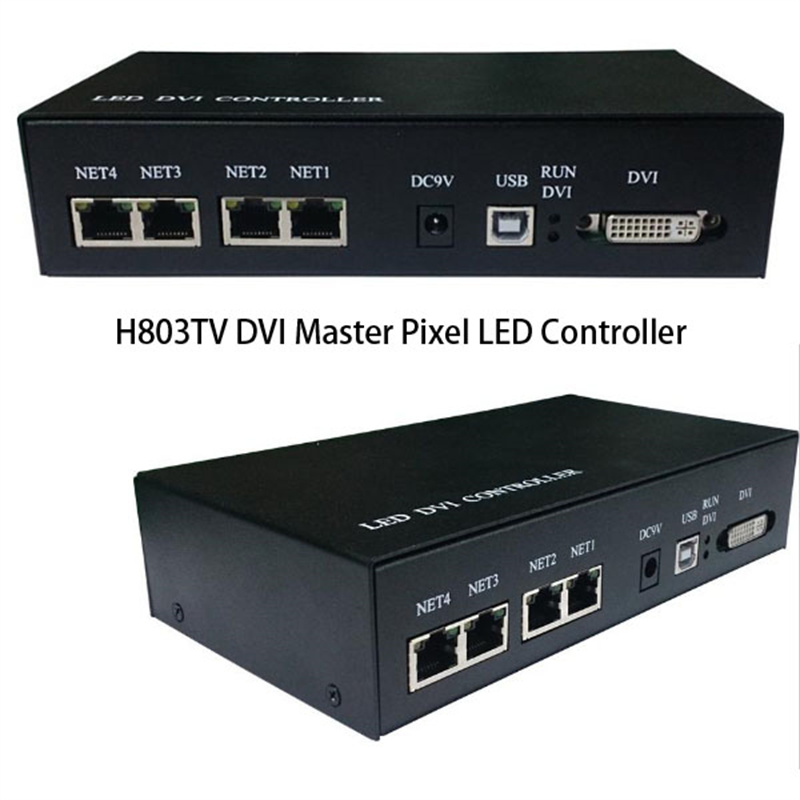
Hardware is only half the equation. The rise of professional lighting control software — Madrix, Resolume Avenue, MA Lighting's grandMA3, and custom IP-based control platforms — has transformed how exhibitions are designed, programmed, and delivered. Controllers with HDMI/DVI interfaces (such as the H803TV series) allow lighting designers to output directly from video compositing software, treating LED arrays as pixel-perfect video canvases. This workflow is now standard practice at major international exhibitions including the Venice Biennale, Art Basel, and SXSW.
The integration of video-grade pixel controllers with professional LED arrays has effectively made every wall, floor, and ceiling a potential display surface — collapsing the boundary between architecture and screen.
Supply Chain Resilience and Custom Fabrication
Post-pandemic procurement strategies have pushed galleries and exhibition organizers to seek manufacturers capable of offering both standard catalog products and bespoke fabrication. Custom pixel pitches, non-standard form factors (curved surfaces, irregular polygons, tension-fabric LED panels), and outdoor-rated IP65/IP68 enclosures are now commonly requested. Manufacturers with in-house engineering teams, 3D simulation capabilities, and marketing support services are able to compress project timelines significantly — a critical advantage when exhibition opening dates are fixed and non-negotiable.
Return on Investment for Exhibition Lighting Upgrades
For gallery operators and exhibition venue managers, the business case for tech lighting investment has strengthened considerably. Research from the European Exhibition Industry Alliance indicates that venues with immersive, technology-enhanced environments command 23% higher ticket premiums and experience 41% greater repeat visitor rates compared to conventionally lit counterparts. Corporate exhibition clients report that dynamic lighting environments increase booth dwell time by an average of 3.2 minutes — a significant metric in a trade show context where first impressions are everything.
Why Choose Us
We deliver end-to-end tech lighting solutions that empower immersive digital galleries and technological exhibitions worldwide.
Services
Offers professional design, 3D solutions, and marketing support for advertising projects.
Control Systems
We offer advanced lighting control systems that allow for seamless integration and precise control of all lighting fixtures.
Market
Serves over 30,000 companies, including Global 500s, and exports to 30+ countries.
Support
Provides 24h online service with our sales team, we are proficient in multiple languages.
High Quality of The Product
With an excellent management group and technical group, the company will make efforts to increase R & D investment in order to ensure the high quality of the product for clients.
Every luminaire and control system we manufacture undergoes rigorous QA protocols — including 72-hour burn-in testing, EMI compliance verification, and colorimetric calibration — before leaving our production facility. Our engineering team continuously refines firmware and hardware in response to the evolving demands of immersive digital gallery environments and high-profile technological exhibitions.
Our commitment extends beyond the product itself: we provide comprehensive project design documentation, 3D simulation renders, and post-installation commissioning support to ensure every installation performs to specification from day one.
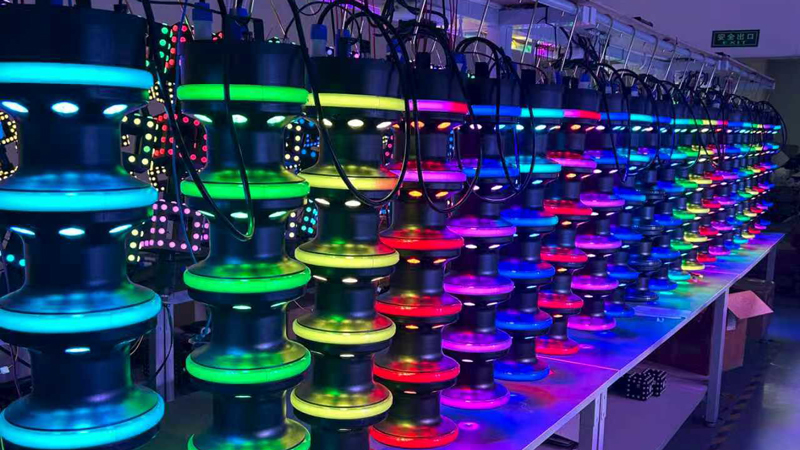
Factory Tour
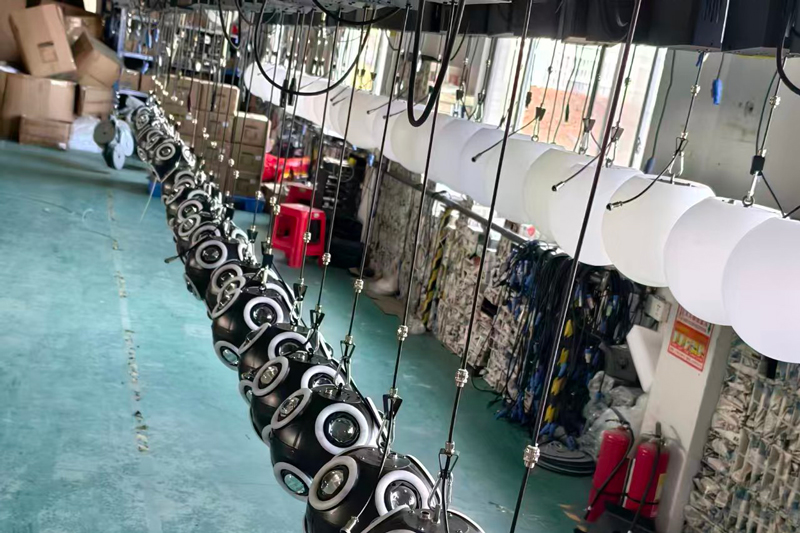
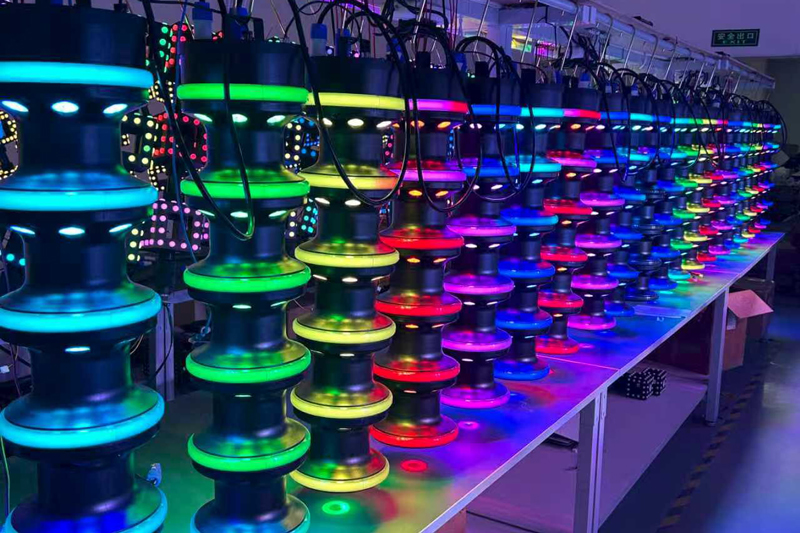
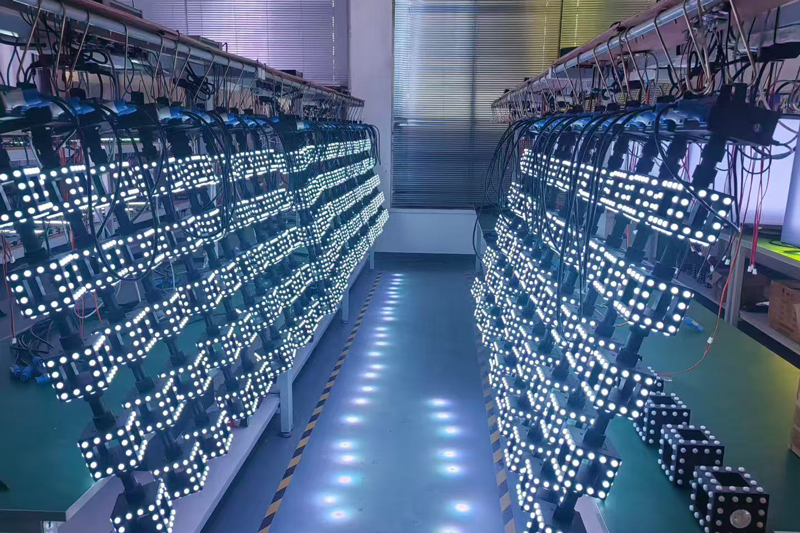
Explore our state-of-the-art manufacturing facility — where advanced LED technology meets precision engineering for immersive exhibition lighting.
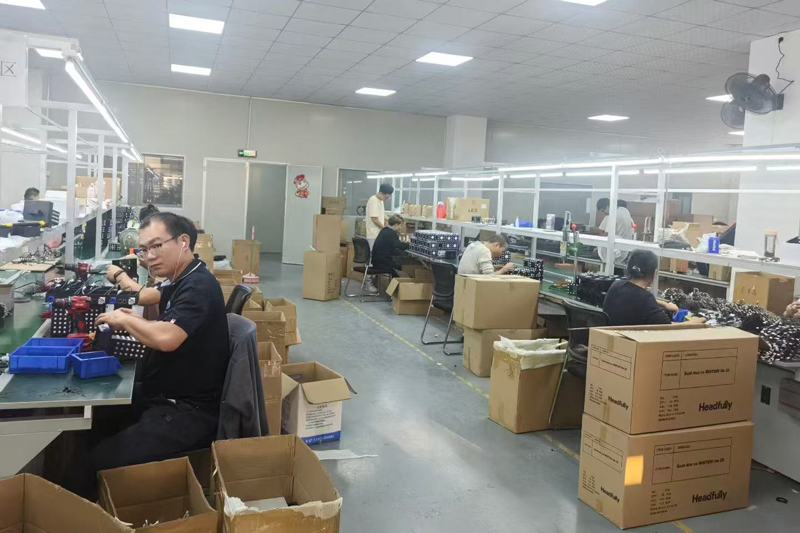
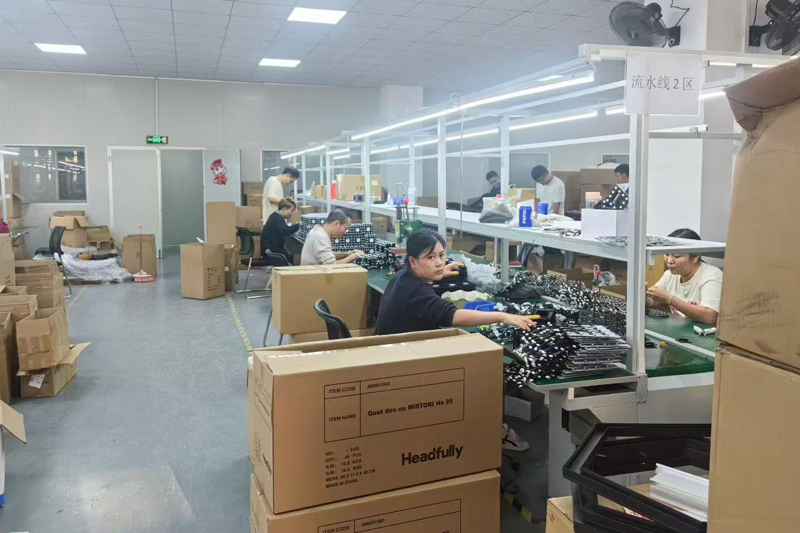
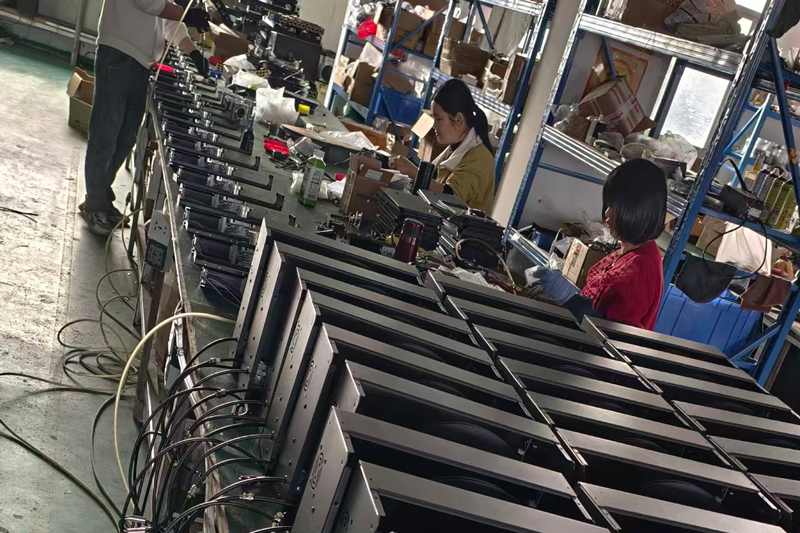
Future Outlook: Tech Lighting in the Age of Digital Experience
As we move deeper into an era defined by digital-physical convergence, the role of tech lighting in immersive environments will only grow more central. Several key developments are expected to reshape the industry over the next five years:
- 5G-Enabled Real-Time Control: Ultra-low latency 5G networks will enable synchronized lighting across geographically distributed exhibition venues, making global simultaneous art events technologically feasible at scale.
- Biometric-Responsive Environments: Integrating lighting systems with audience biometric data (via wearables or computer vision) will allow galleries to create deeply personalized immersive experiences that adapt to individual emotional states.
- Carbon-Neutral Exhibition Lighting: Industry sustainability targets are driving adoption of solar-integrated pixel systems, biodegradable fixture materials, and AI-optimized dimming schedules that reduce total energy consumption without compromising visual quality.
- Micro-LED and MiniLED Evolution: The continued advancement of micro-LED technology will push pixel density to unprecedented levels, enabling seamless floor-to-ceiling video-grade displays across complex architectural geometries — without visible bezels or panel joints.
- Haptic-Light Multisensory Experiences: Research labs and avant-garde galleries are exploring synchronization between LED light pulses and haptic feedback wearables, creating multisensory immersive experiences that engage sight, touch, and proprioception simultaneously.
For curators, architects, and brand experience designers, staying ahead of these trends requires partnerships with lighting manufacturers who invest consistently in R&D, maintain agile production capabilities, and possess deep domain knowledge across both the technical and experiential dimensions of immersive environment design.
Complete Tech Lighting Product Range
Explore our full portfolio of immersive lighting solutions — from pixel controllers to interactive LED furniture — designed for digital galleries and technological exhibitions.
-
CONTACT WHATSAPP
-


-
CONTACT WECHAT
-


-
CONTACT ADDRESS
 Huafafengshang, Doumen District, Zhuhai, Guangdong, China
 -
 Huafafengshang, Doumen District, Zhuhai, Guangdong, China
 -
CONTACT NUMBER
-


-
CONTACT E-MAIL
-

