
Core Lighting Solutions for Immersive Exhibitions
From pixel-perfect wave arrays to intelligent DMX control platforms, our flagship systems are engineered to power the next generation of immersive digital art galleries and technology showcases.
The Rising Demand for Intelligent Stage Lighting in Digital Art Spaces
The global landscape of digital art galleries and technology exhibitions has undergone a seismic transformation over the past decade. Traditional static displays have given way to fully immersive, multi-sensory environments where stage lighting design is no longer a supporting element—it is the medium itself. Institutions from Tokyo's teamLab Borderless to the Atelier des Lumières in Paris have demonstrated that intelligent lighting architecture, when precisely engineered, can dissolve the boundary between observer and artwork.
In this context, stage lighting design for immersive digital art galleries and technological exhibitions represents one of the fastest-growing verticals within the global entertainment and cultural technology sector. Industry analysts estimate the immersive experience market will surpass USD 9 billion globally by 2027, with architectural and stage lighting systems accounting for a significant share of that infrastructure spend.
Unlike traditional gallery illumination, which prioritizes neutral color rendering and artifact preservation, immersive digital gallery lighting demands dynamic spectral control, real-time synchronization with generative digital content, and the ability to sculpt space through luminous choreography. This convergence of artistic vision and industrial-grade engineering defines the new frontier of lighting design.
Market Forces Driving Lighting Innovation in Exhibition Design
Global brands, cultural institutions, and technology companies are investing heavily in immersive environments as competitive differentiators. Understanding this commercial ecosystem is critical for anyone specifying lighting systems.
Cultural Institution Sector
Museums, art foundations, and cultural centers worldwide are retrofitting existing spaces and commissioning purpose-built immersive galleries. Capital expenditure on lighting and projection infrastructure in this sector grew by 34% between 2021 and 2024, as institutions compete for visitor engagement in a post-pandemic landscape where experiential value is paramount.
Corporate Technology Exhibitions
Technology companies—particularly in AI, automotive, and consumer electronics—use permanent and touring exhibitions to communicate brand identity and innovation narrative. High-profile tech showcases at CES, MWC, and proprietary brand experience centers demand lighting systems capable of real-time protocol integration with interactive display technologies and sensor networks.
Experiential Entertainment
Commercial immersive attractions—from ticketed light art installations to brand pop-ups and XR entertainment venues—represent a rapidly expanding commercial category. Operators in this space prioritize TCO (total cost of ownership), operational reliability, and the ability to reprogram lighting scenes without specialist support, driving demand for intuitive DMX and pixel control platforms.
Global Event Industry
International expos, fashion weeks, product launches, and hybrid physical-digital events increasingly incorporate immersive lighting as a core narrative device. The post-COVID resurgence of live events has accelerated investment in portable, scalable kinetic and pixel lighting systems that can be rapidly deployed and reconfigured across diverse venue footprints.
Education & Research
Universities, science centers, and research institutions are incorporating immersive lighting environments into learning spaces, planetariums, and visualization labs. These installations require precise color science, programmable light sequences synchronized with educational content, and long-term operational stability—making industrial-grade DMX infrastructure essential.
Hospitality & Retail
Luxury hotels, flagship retail spaces, and high-concept restaurants are deploying immersive lighting architecture to differentiate physical experience from e-commerce. Dynamic lighting journeys programmed through advanced controllers transform static interiors into living, responsive environments that generate social media amplification and drive repeat visitation.
Core Technologies Powering Immersive Gallery Lighting Systems
Effective immersive lighting is built on a layered technical infrastructure. Understanding the interplay between control protocols, fixture architecture, and content integration is essential for designing truly responsive environments.
DMX512 and Pixel Control Architecture
The DMX512 protocol remains the backbone of professional lighting control in immersive environments. Its deterministic, low-latency data transmission makes it ideal for synchronizing complex multi-fixture rigs where precise timing is critical for creating seamless visual narratives. Advanced DMX master consoles—such as those supporting 192-channel programmable control—allow lighting designers to build intricate scene libraries, automate show sequences, and integrate with external trigger systems including audio analyzers, motion sensors, and BMS platforms.
For pixel-level control of LED matrix systems, dedicated controllers such as the H803TV with DVI/HDMI interface and Madrix-compatible firmware enable full per-pixel addressability across thousands of LED nodes simultaneously. This granularity of control is what transforms a conventional LED installation into a generative visual instrument, capable of rendering video-mapped content, algorithmic animations, and real-time reactive effects synchronized to music or visitor interaction.
Key Insight: The combination of DMX512 master control with pixel-level LED addressing creates a two-tier lighting infrastructure: macro-level scene programming for spatial atmosphere, and micro-level pixel animation for visual content delivery. This dual architecture is the defining technical characteristic of world-class immersive gallery lighting.
Kinetic Lighting Systems
Kinetic lighting—where luminaires are suspended on motorized winch systems that allow real-time spatial repositioning—represents one of the most compelling developments in immersive exhibition design. LED kinetic lights with RGBW capability and integrated DMX winch control allow lighting designers to choreograph three-dimensional luminous formations that shift and evolve throughout a visitor's journey through a space. The kinetic element introduces a temporal, almost sculptural quality to light, transforming static installations into living, breathing environments.
In digital art galleries, kinetic rigs are frequently synchronized with generative digital content—a ceiling array of luminaires descending and ascending in harmonic response to algorithmic visual compositions displayed on surrounding surfaces creates a total sensory environment that deeply amplifies the emotional impact of the artwork.
3D Matrix and Volumetric Lighting
Three-dimensional LED matrix structures—including bamboo-format tube arrays and modular pixel cube configurations—introduce true volumetric light into exhibition spaces. Unlike flat LED surfaces or conventional fixture arrays, 3D matrix systems create luminous volumes that visitors can physically move through, fundamentally altering the spatial experience. These systems require sophisticated controller infrastructure capable of mapping three-dimensional coordinate spaces and executing volumetric animation sequences with sub-millisecond frame accuracy.
RGBW Spectral Control and Color Science
The addition of a dedicated white channel in RGBW LED systems provides critical color science benefits for immersive gallery applications. Pure white light at high color rendering index (CRI 90+) is necessary when illuminating physical art objects or performer bodies within a digital environment, while the RGB channels deliver the chromatic saturation and dynamic color cycling required for atmospheric effect. Advanced pixel light systems support per-pixel RGBW control, enabling simultaneous delivery of high-CRI task lighting and immersive color wash within a single unified rig.
In-Depth Scenarios: Where Immersive Lighting Transforms Space
From permanent cultural institutions to temporary technology showcase pavilions, immersive lighting design is applied across a spectrum of venue typologies, each with distinct technical and experiential requirements.
Permanent Digital Art Galleries
Permanent immersive gallery installations demand lighting systems engineered for 24/7 operational reliability across multi-year deployment cycles. Pixel wave light arrays suspended from ceiling grids create flowing luminous canvases that shift in response to the generative digital artworks projected on gallery walls and floors. Acrylic guide light systems embedded in floor surfaces simultaneously serve wayfinding and atmospheric functions, creating glowing pathways that direct visitor flow while contributing to the overall luminous composition of the space. In these environments, all lighting systems must operate on unified control networks, allowing the gallery's artistic director to update scene programs and synchronize lighting with new digital content commissions without physical modification of the installation.
Technology Company Exhibition Pavilions
At global technology expos and flagship brand experience centers, immersive lighting serves as a primary vehicle for communicating innovation identity. UFO-format orbital light systems suspended above demonstration zones create dramatic focal points that draw visitors through the space, while 3D matrix bamboo light structures define architectural zones and create visual depth. Smart modular pixel cube arrays configured as product display pedestals merge functional illumination with aesthetic statement, demonstrating the convergence of industrial design and lighting technology that characterizes the company's product philosophy. DMX master control systems running pre-programmed show loops automate the lighting narrative across the exhibition day, with manual override capability for live demonstrations and executive presentations.
Interactive Art Installations and Media Performances
Live media performance and interactive installation contexts demand lighting systems that respond in real time to audio input, performer motion, and audience participation data. The H803TV controller's DVI/HDMI interface enables direct video signal ingestion from live video synthesis platforms, allowing pixel lighting arrays to render live visual content generated by VJs and live coders. Kinetic light arrays synchronized to music via audio-analysis protocols create visceral audio-visual experiences where the physical movement of luminaires becomes a choreographic element of the performance. These applications push the technical boundaries of lighting infrastructure, requiring sub-100ms end-to-end latency from sensor input to fixture response.
Themed Entertainment and Attraction Design
Commercial immersive attractions—including haunted experiences, escape rooms, brand activations, and themed entertainment districts—deploy stage lighting technology to construct entirely believable alternative realities. 3D matrix lighting volumetrically fills spaces with atmospheric light that defines narrative zones and triggers emotional responses. The UFO light format, with its alien geometry and RGBW color control, is particularly effective in science fiction and futuristic themed environments. Programmable DMX consoles running complex scene sequences synchronized to spatial audio systems deliver automated, repeatable immersive experiences that maintain consistent quality across thousands of visitor cycles.
Development Trends Reshaping Immersive Exhibition Lighting
The next wave of innovation in stage lighting for digital art galleries and technology exhibitions is being driven by the convergence of AI, IoT connectivity, and advanced materials science.
AI-Driven Generative Lighting
Machine learning models trained on visitor behavioral data are being integrated with DMX control systems to generate adaptive lighting sequences that respond to crowd density, movement patterns, and dwell time. In future immersive galleries, the lighting environment will continuously evolve based on real-time analysis of how visitors interact with the space, creating a genuinely personalized and ever-changing experience.
IP Network-Centric Control Infrastructure
The transition from traditional DMX wiring to full Ethernet/IP network-based lighting control (sACN, Art-Net) is enabling larger, more complex immersive installations with reduced infrastructure costs. Cloud-connected control systems allow remote monitoring, scene programming, and firmware updates across geographically distributed exhibition venues, supporting the global touring model increasingly adopted by major immersive art productions.
Extended Reality (XR) Integration
Physical lighting systems are increasingly specified as calibrated environments for extended reality experiences, where the chromatic and spatial characteristics of the physical light must precisely match the virtual lighting within XR headsets to eliminate perceptual discontinuity. This requires lighting systems with exceptional color accuracy, real-time control capability, and the ability to sync to XR rendering engine output at frame rates up to 120Hz.
Sustainable Lighting Engineering
Environmental sustainability is becoming a non-negotiable specification criterion for cultural and corporate exhibition clients. LED technology's inherent energy efficiency advantage over legacy tungsten and HMI systems is being further amplified through intelligent dimming algorithms, automated daylight integration, and lifecycle-aware design methodologies that minimize fixture replacement frequency—critical for permanent immersive gallery installations with five to ten-year operational horizons.
Who We Are
Xiaosan, was created by Mrs Ami Q and her husband Mr. Ahren Z, founded in 2019, located in Guangdong province, is a professional factory specializing in providing LED lighting solutions for nightclub, DJ disco and various entertainment venues. Our main products include high-quality lighting fixtures such as lifting spherical lights, Kinetic Light, LED effect light, LED Screen, LED Dance Floors, 3D effect lights, scanning lights, moving head lights and more.
The factory covers an area of 1000 square meters and is equipped with advanced production equipment and a complete R&D team to ensure that every product meets the highest industry standards. Currently, our team consists of 30 experienced employees who specialize in lighting technology and has rich experience and professional knowledge in the field of production and manufacturing.
Our comprehensive product ecosystem—spanning pixel controllers, kinetic winch systems, 3D matrix structures, and DMX master consoles—provides the complete technical infrastructure required for professional immersive digital art galleries and technology exhibitions of any scale.
What We Have
From complete system integration to long-term performance guarantees, Xiaosan delivers the comprehensive service infrastructure that professional immersive exhibition projects demand.
One-stop Services
Xiaosan not only provides lighting production, but also integrates research and development, design, installation and commissioning, providing one-stop services to meet the diverse needs of customers. We adhere to the core concept of "innovation, quality, and service", constantly introducing the latest technologies to enhance product performance.
Superior Quality Assurance
Whether it's a small event or a large-scale performance, Xiaosan is always available at your service. In the new century, the company's success lies in its superior quality assurance and first-class after-sales service. All products come with a three-year warranty. We offer competitive prices and strive to meet customer needs.
Full Lighting Systems for Digital Art Galleries & Technology Exhibitions
Explore our complete portfolio of stage and exhibition lighting systems, engineered for immersive environments, pixel control, kinetic choreography, and architectural transformation.
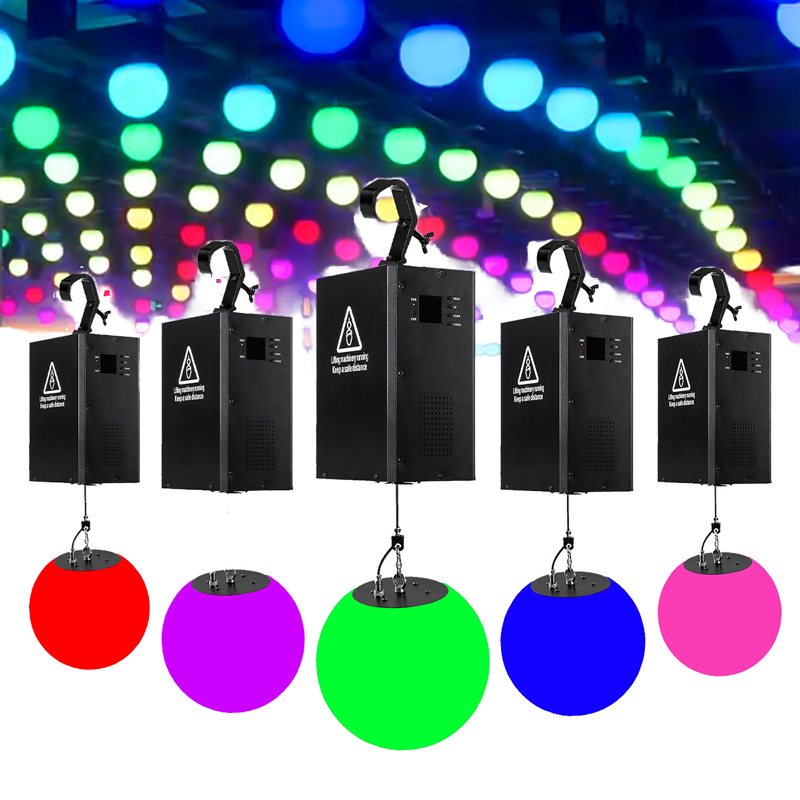
Kinetic Light Array for Immersive Gallery Installations
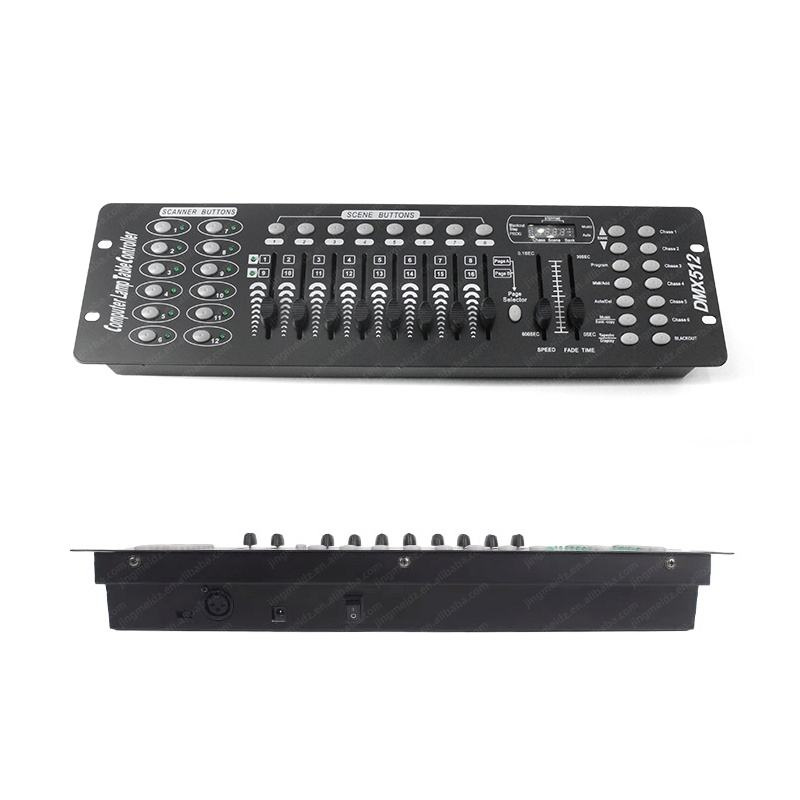
DMX512 Master Controller for Exhibition Lighting Automation
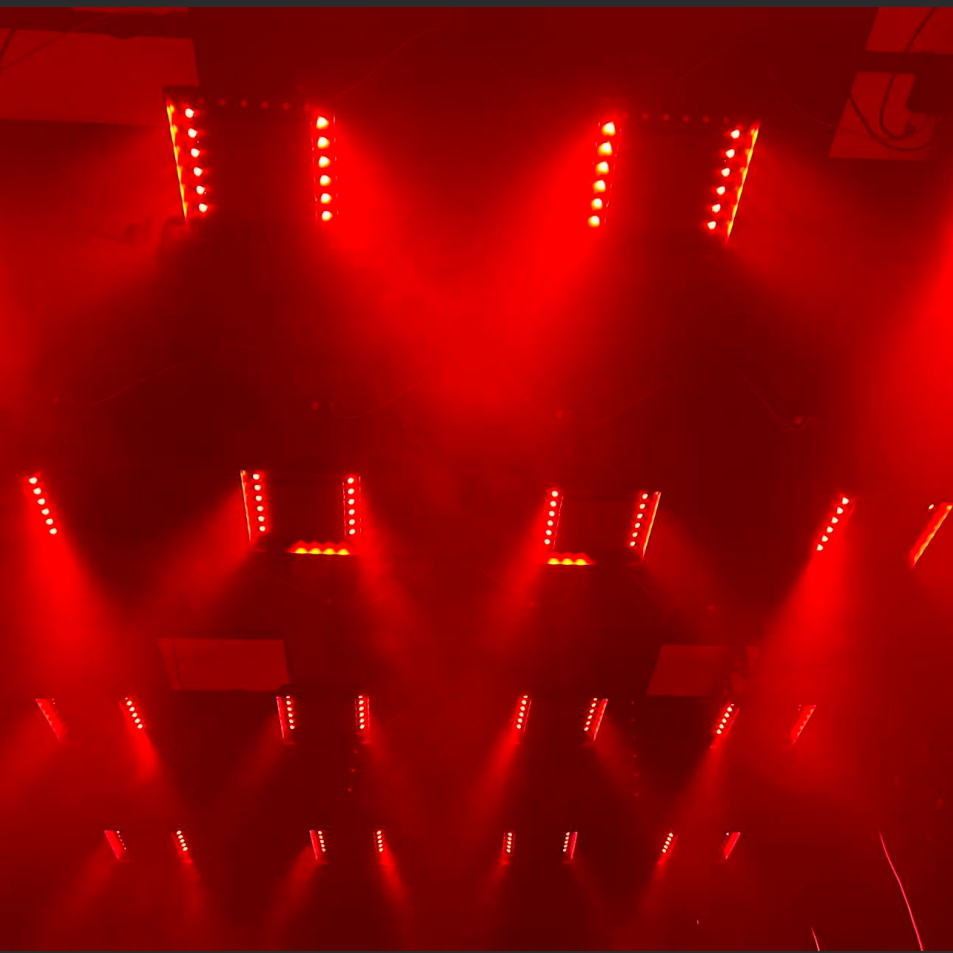
Pixel Wave Display for Interactive Art Experiences
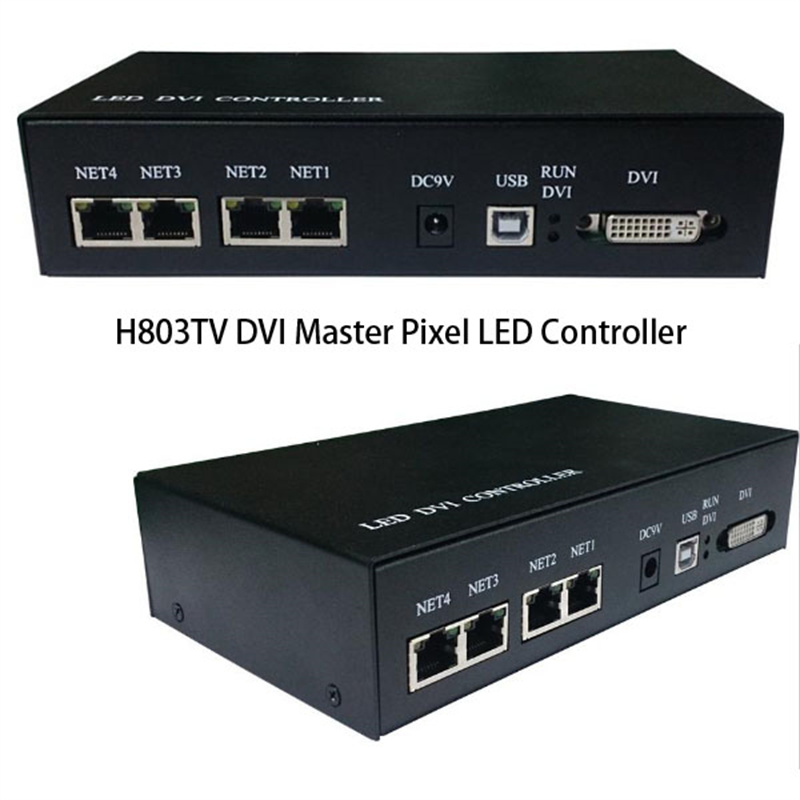
3D Madrix Controller for Immersive Digital Art Environments
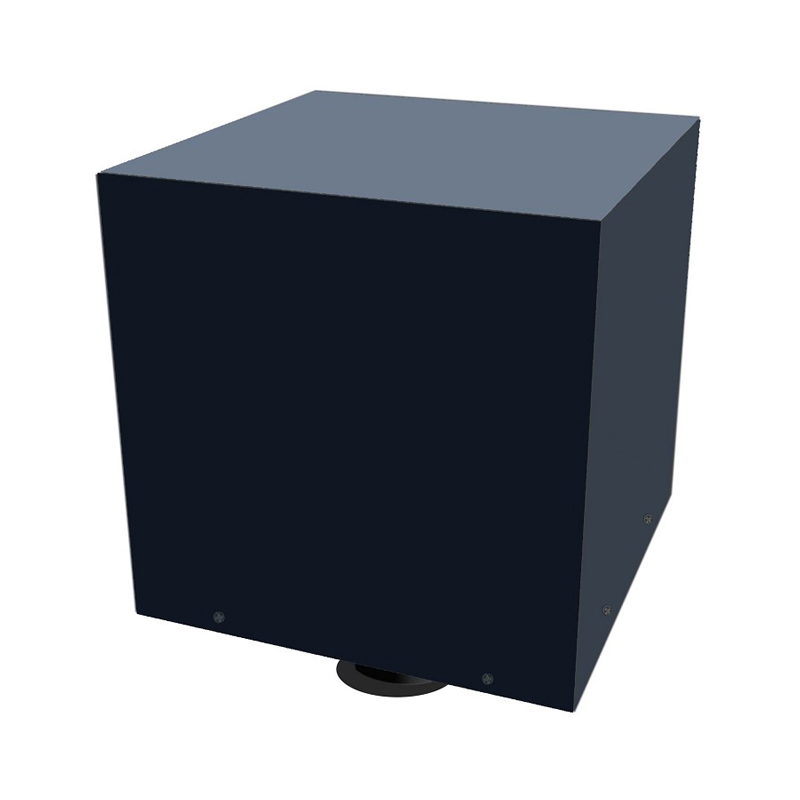
Modular Pixel Cube for Technological Exhibition Displays
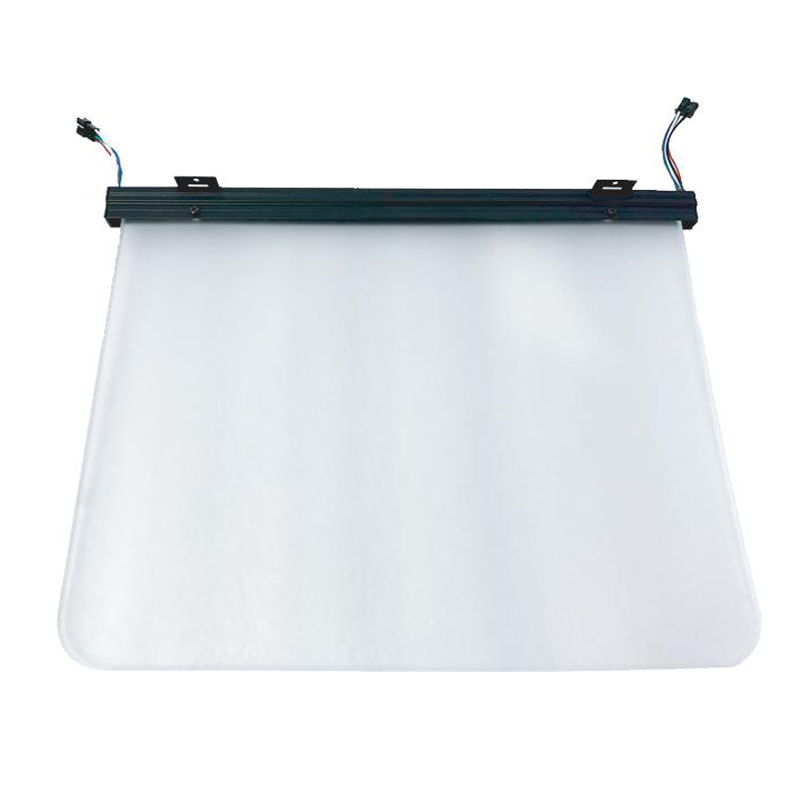
Acrylic Ambient Guide Light for Gallery Navigation
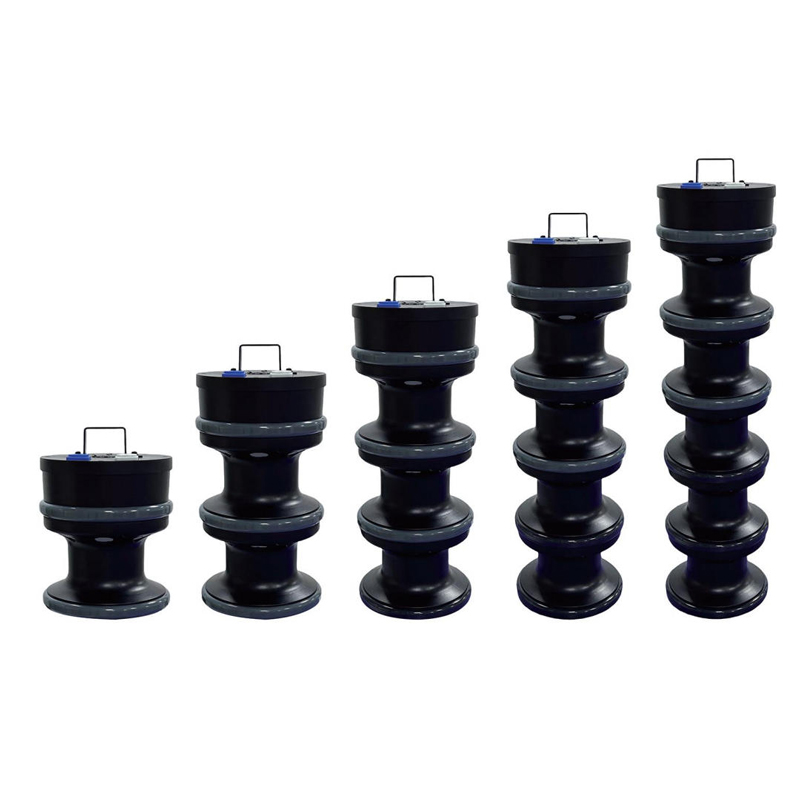
3D Matrix Structural Light for Immersive Space Design
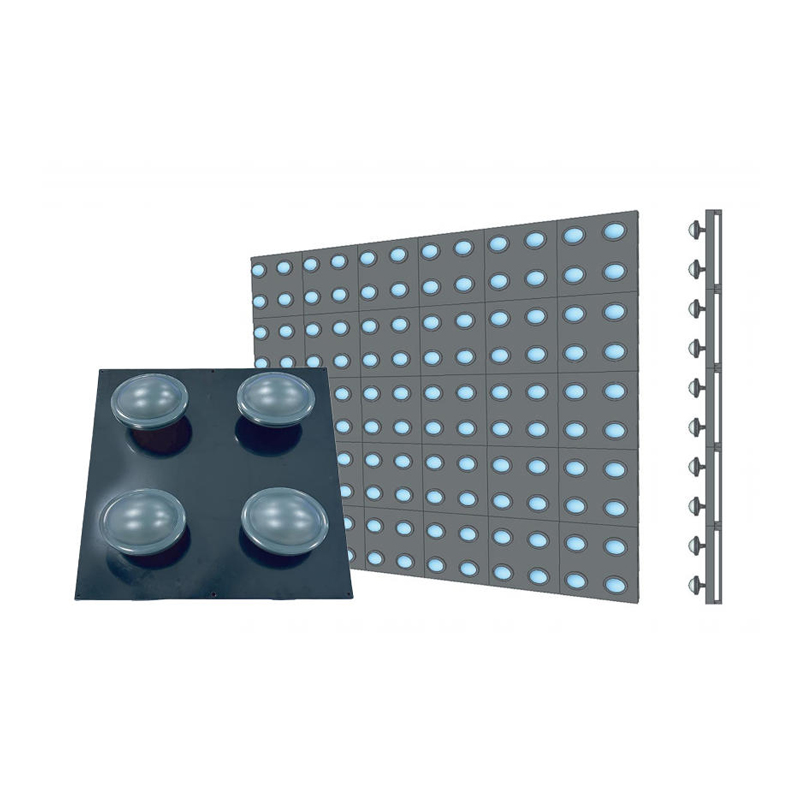
UFO Orbital Light for Futuristic Exhibition Environments
-
CONTACT WHATSAPP
-


-
CONTACT WECHAT
-


-
CONTACT ADDRESS
 Huafafengshang, Doumen District, Zhuhai, Guangdong, China
 -
 Huafafengshang, Doumen District, Zhuhai, Guangdong, China
 -
CONTACT NUMBER
-


-
CONTACT E-MAIL
-

