
Signature Space Lighting Systems for Digital Art Galleries
Precision-engineered lighting platforms purpose-built for immersive exhibition environments, digital art installations, and cutting-edge technological showcases.
Redefining the Exhibition Experience Through Space Lighting
Space lighting for immersive digital art galleries and technological exhibitions has evolved far beyond the traditional notion of illumination. Today, light is the medium itself — sculpting narrative, guiding perception, amplifying emotion, and bridging the physical and digital worlds. As institutions worldwide invest in next-generation visitor experiences, the design and engineering of exhibition lighting systems has become a sophisticated discipline at the intersection of architecture, technology, and art.
The global art and cultural exhibition industry has undergone a profound transformation over the past decade. The rise of immersive art experiences — typified by large-scale installations, projection mapping environments, interactive digital canvases, and sensory journey exhibitions — has created an unprecedented demand for dynamic, programmable, and architecturally responsive lighting systems. Venues from Tokyo to London to New York are retrofitting historic buildings and constructing purpose-built digital art spaces, all requiring bespoke lighting infrastructure that can adapt in real time to the content being displayed.
Technological exhibitions — including science museums, corporate innovation centers, product launch environments, and trade show pavilions — present a parallel demand. Here, lighting must not only illuminate but also communicate authority, innovation, and forward-thinking values. The precise spectral control of modern LED systems, coupled with DMX-based programmable choreography, allows exhibition designers to synchronize lighting sequences with audio, video, and interactive digital content with millisecond accuracy.
The Business of Immersive Lighting: Market Dynamics
The commercial landscape surrounding space lighting for digital galleries has matured into a multi-billion dollar sector with distinct segments: fixture manufacturing, control system integration, content creation software, and turnkey installation services. Understanding the industrial chain reveals both the complexity and the opportunity within this ecosystem.
Fixture Manufacturing & LED Innovation
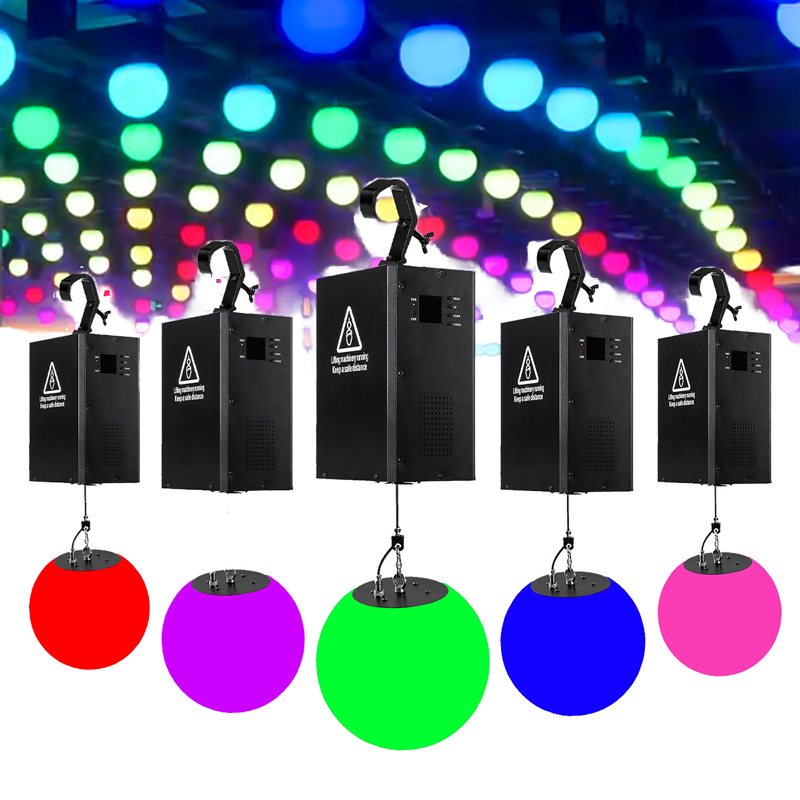
The foundation of immersive gallery lighting lies in advanced LED fixture design. Modern RGBW and RGBWW LED systems offer full-spectrum color reproduction — critical for exhibiting digital artworks with precise chromatic fidelity. Manufacturers now integrate chip-on-board (COB) technology, pixel-level control, and custom beam optics into compact housings that can be suspended, recessed, or embedded into architectural surfaces. Kinetic lighting systems — fixtures that move through programmable three-dimensional trajectories — have become a hallmark of premium immersive exhibitions, creating living canopies of light that react to visitor movement and sound.
DMX & Intelligent Control Ecosystems
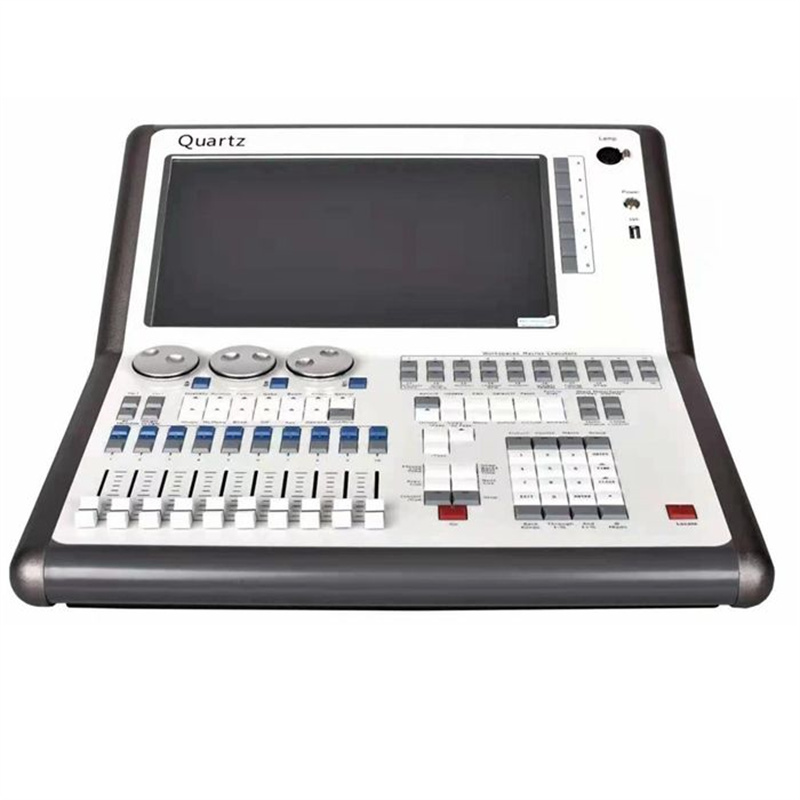
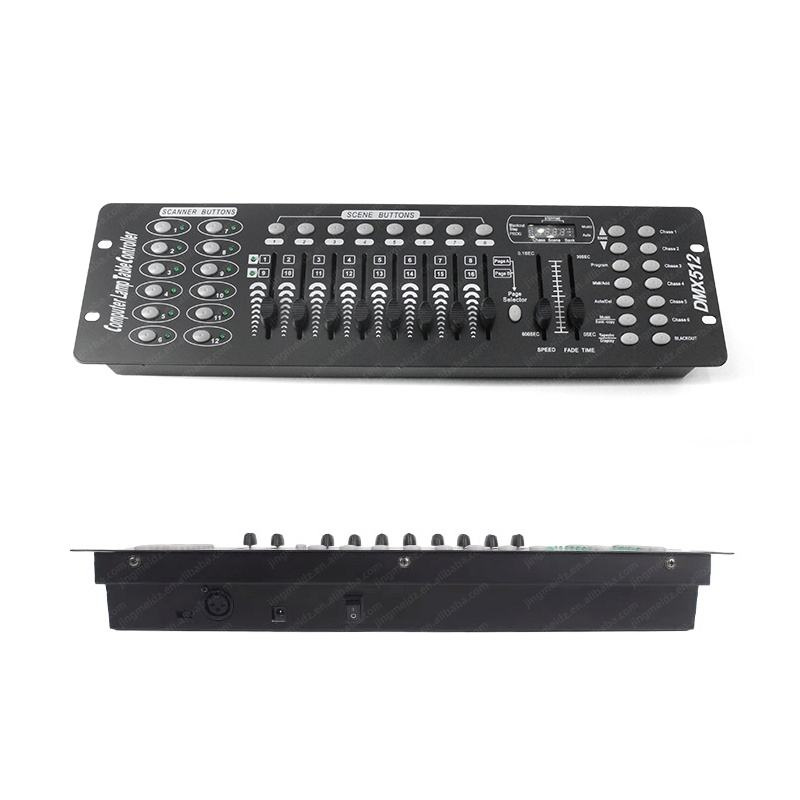
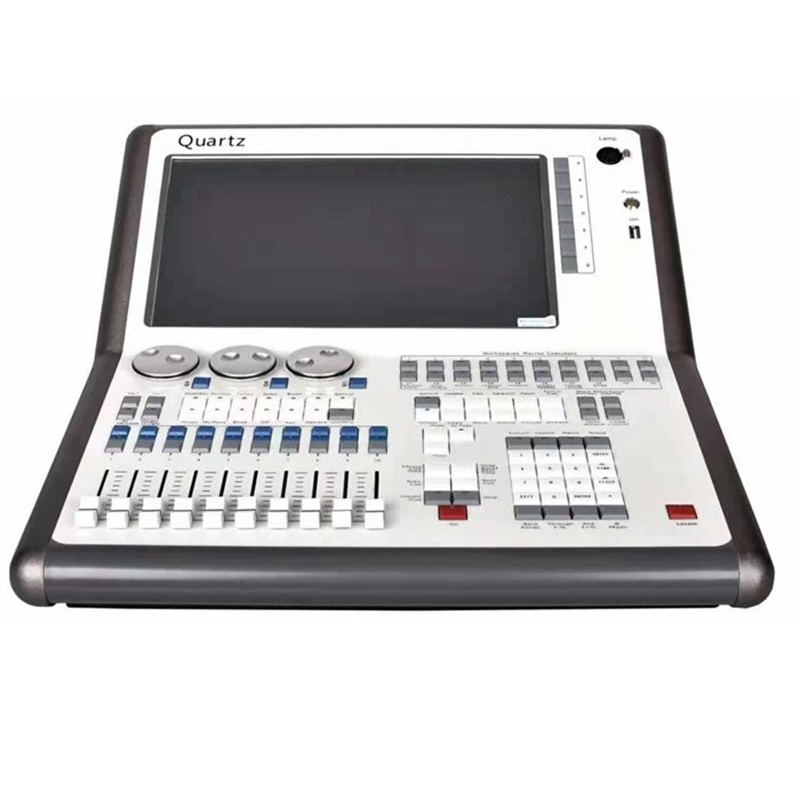
The evolution of DMX512 and its successor protocols (Art-Net, sACN) has enabled the design of sophisticated multi-channel lighting control architectures. A single gallery installation may incorporate thousands of individually addressable channels, orchestrated by dedicated lighting control consoles capable of handling 2048 or more channels simultaneously. Integration with building management systems (BMS), media servers, and real-time data feeds allows lighting to respond to environmental parameters, audience density, time-of-day cycles, and even live data visualizations — transforming the gallery into a responsive, living environment.
Spatial Computing & AI Integration
The integration of spatial computing platforms — including real-time 3D rendering engines, depth-sensing cameras, and machine learning algorithms — is creating a new category of adaptive lighting systems. These platforms analyze visitor behavior and automatically adjust color temperature, intensity, and directional focus to optimize the emotional impact of each exhibit. AI-driven lighting choreography can generate endless variations of a lighting sequence, ensuring that repeat visitors encounter subtly different experiences — increasing dwell time and encouraging repeat attendance, which is a critical commercial metric for gallery operators.
Turnkey Project Development & Integration
The most significant commercial opportunities lie in turnkey project delivery — where lighting specialists partner with curators, architects, AV integrators, and content studios to deliver complete immersive environments. This model is particularly prevalent in the construction of dedicated immersive art venues (often referred to as "experiential galleries"), corporate innovation labs, and flagship brand experience centers. Project values for large-scale immersive environments can range from hundreds of thousands to tens of millions of dollars, depending on square footage, technology complexity, and content creation requirements.
Future Directions in Gallery Space Lighting Technology
The Convergence of Light, Data, and Experience
The next wave of exhibition lighting is defined by the seamless convergence of photonic engineering, real-time data processing, and experiential design. Lighting is no longer a passive utility — it is an active, intelligent participant in the storytelling of every immersive space.
Human-Centric Lighting (HCL) for Extended Visitor Engagement
As galleries seek to extend visitor dwell time, human-centric lighting principles are being embedded into exhibition design. By dynamically adjusting correlated color temperature (CCT) and illuminance levels throughout the day, lighting systems can modulate visitor alertness, emotional receptivity, and physical comfort. Research indicates that appropriately tuned CCT profiles can increase average gallery visit duration by up to 27%, directly impacting admission revenue and gift shop engagement.
Wireless & IoT-Connected Lighting Networks
The adoption of wireless lighting control protocols — including DALI-2, Zigbee, and proprietary mesh networking systems — is eliminating the infrastructure complexity historically associated with large-scale DMX installations. IoT-connected fixture networks allow remote monitoring, predictive maintenance alerts, and cloud-based content scheduling, significantly reducing operational overhead for gallery operators. Remote firmware updates ensure that lighting systems can receive new features and content protocols without physical intervention.
Projection-Lighting Hybrid Environments
The boundary between projection mapping and architectural LED lighting is dissolving. New hybrid systems combine ultra-short-throw laser projectors with high-density LED pixel surfaces and kinetic fixture arrays, creating multi-layered visual environments where the distinction between projected image and physical light becomes intentionally ambiguous. This technique is particularly effective in large-scale immersive installations where visitors are surrounded by light on all surfaces, including floors, ceilings, and curved architectural elements.
Sustainable & Low-Energy Immersive Lighting Design
With sustainability becoming a core institutional value for galleries and museums, the transition to high-efficiency LED systems — combined with intelligent occupancy-based dimming and daylight harvesting — is enabling institutions to reduce energy consumption by 60-80% compared to legacy halogen and fluorescent systems, while simultaneously expanding creative possibilities. The reduced heat output of modern LED fixtures also protects sensitive artworks from thermal and UV degradation.
Biometric-Responsive Adaptive Lighting
Emerging research into biometric-responsive environments is beginning to influence gallery lighting design. Systems that analyze aggregate visitor biometric signals — including heart rate variability and galvanic skin response collected via wearable devices — can dynamically adjust lighting parameters to heighten emotional peaks at key moments within a narrative exhibition. While still largely in research and pilot phases, this technology represents a significant frontier in the personalization of the gallery experience.
Deep Application Scenarios: Where Space Lighting Transforms Exhibition
From permanent museum installations to temporary brand experiences, space lighting solutions adapt to diverse environments with consistent technical excellence and creative impact.
Permanent Digital Art Galleries
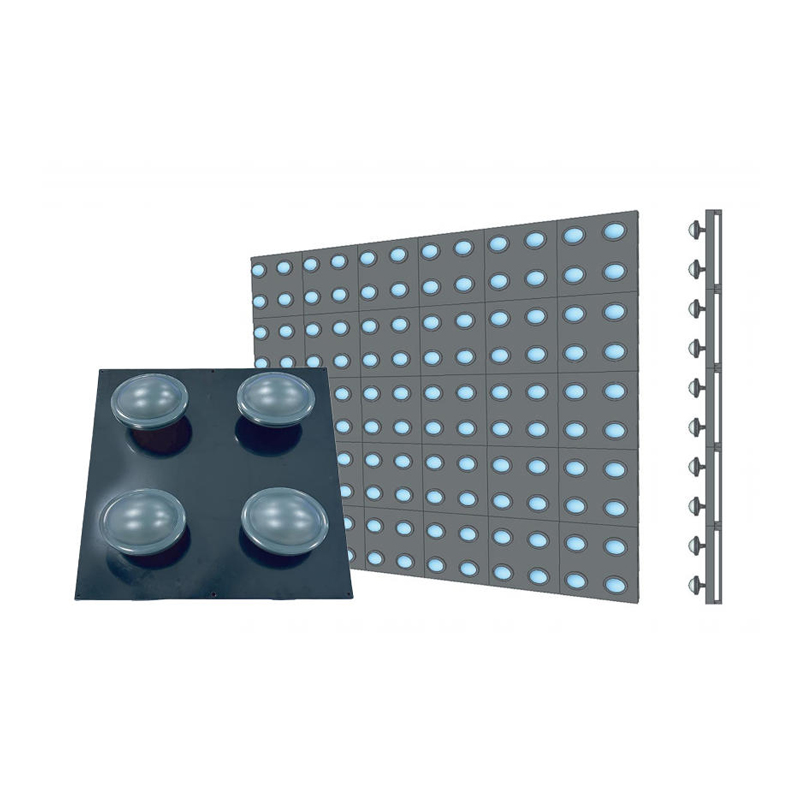
Long-term immersive art venues require lighting infrastructure engineered for continuous operation — 24/7 reliability, minimal maintenance cycles, and the flexibility to reconfigure for rotating exhibitions. Kinetic LED ceiling arrays and pixel-controlled wall systems create the foundational layer for permanent immersive environments, while DMX control networks allow curators to update lighting compositions without physical changes to the installation hardware.
Museum Temporary Exhibitions
Traveling blockbuster exhibitions and temporary installations require modular, rapidly deployable lighting systems that can be configured in diverse architectural settings. Lightweight fixture systems with universal rigging interfaces, combined with portable DMX control consoles, enable lighting designers to recreate precise exhibition environments across different venues — maintaining the artistic integrity of the work regardless of the host space's original character.
Science & Technology Museums
Science and technology museums use space lighting to animate data visualizations, simulate cosmic environments, and create interactive educational exhibits. Lighting systems synchronized with interactive digital displays can illustrate abstract scientific concepts — mapping bioluminescence patterns, recreating the electromagnetic spectrum, or simulating the dynamics of particle physics — making complex ideas viscerally comprehensible to visitors of all ages.
Corporate Innovation Centers
Technology corporations and innovation-driven enterprises are investing heavily in purpose-built experience centers where products, philosophies, and future visions are communicated through immersive environmental design. Space lighting in these contexts must reinforce brand identity while delivering flexible programming for product launches, investor presentations, client experiences, and team collaboration environments — often all within the same physical space.
🎨 Interactive Digital Art Installations
Participatory art installations — where visitor movement, touch, or voice triggers real-time lighting responses — represent one of the most technically demanding applications for space lighting systems. Low-latency DMX output chains, redundant control pathways, and mathematically precise fixture calibration are essential to creating seamless, glitch-free interactive environments. Pixel-accurate LED systems combined with depth-sensing cameras can create lighting environments that appear to physically respond to each visitor's unique presence, generating deeply personal and memorable experiences.
🌐 Trade Shows & International Expositions
International expositions and large-scale trade shows represent high-stakes environments where national and corporate identities are expressed through architectural space. Lighting plays a central role in creating memorable pavilion experiences within the competitive visual noise of trade show environments. Dynamic, programmable LED installations — incorporating kinetic elements, 3D volumetric light effects, and synchronized multimedia sequences — consistently outperform static displays in visitor engagement metrics, dwell time, and brand recall studies.
Core Technologies Powering Immersive Gallery Space Lighting
🔆 RGBW Full-Spectrum LED Engines
The addition of a dedicated white channel to RGB LED arrays enables precise reproduction of daylight-equivalent and warm neutral tones — critical for galleries exhibiting artworks that depend on accurate color rendering. High Color Rendering Index (CRI 95+) RGBW systems ensure that pigments, textures, and digital displays are presented with maximum chromatic accuracy, preserving the artistic intent of each work.
⚡ DMX512 & Art-Net Protocol Stacks
DMX512 remains the industry-standard protocol for reliable lighting control in professional exhibition environments. Modern Art-Net and sACN (streaming ACN) extensions enable DMX data distribution over standard Ethernet networks, facilitating the construction of expansive multi-zone control architectures across large exhibition venues. Advanced DMX controllers with 2048-channel capacity provide the granular control required for pixel-level lighting choreography.
🎭 Kinetic & Motor-Driven Fixture Systems
Kinetic lighting — fixtures suspended on motorized hoisting systems with individually programmable height, speed, and acceleration parameters — creates three-dimensional light sculptures above and around gallery visitors. RGBW-integrated kinetic arrays can execute complex spatial choreographies synchronized with audio and video content, generating breathtaking visual experiences that fundamentally distinguish immersive digital art venues from conventional exhibition spaces.
🧊 3D Effect Light Technologies
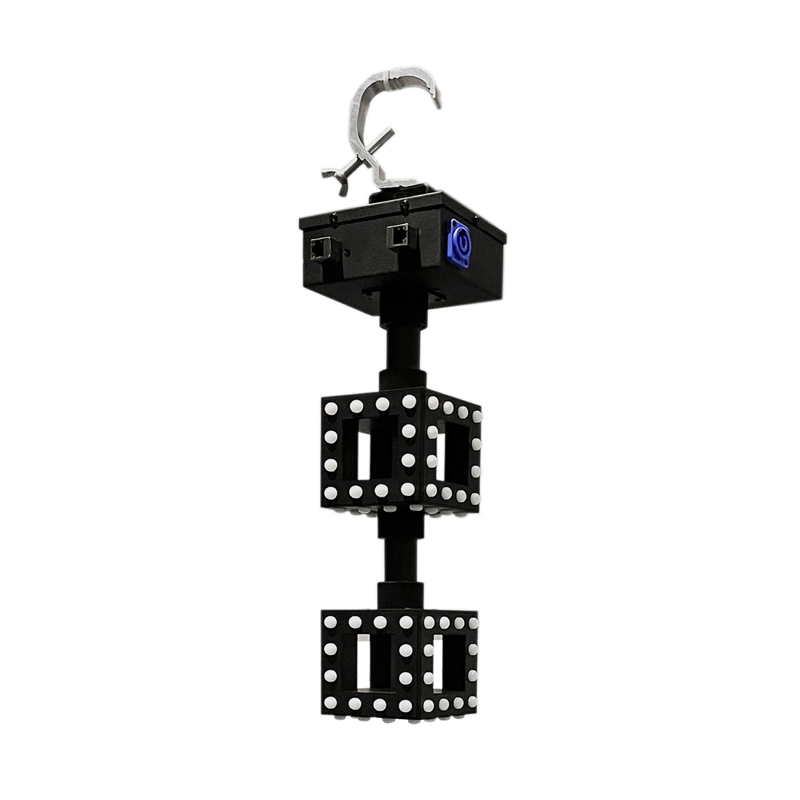
Three-dimensional effect lighting systems — including volumetric LED displays, haze-enhanced beam effects, and multi-axis moving head fixtures — create perceptual depth within exhibition spaces, dissolving the boundary between the physical room and the digital content it contains. 3D pixel structures, such as geometric LED forms and dynamic sculptural light objects, serve as both functional light sources and integral artistic elements within the exhibition design.
📡 Wireless Mesh Control Networks
Wireless lighting control eliminates the cost and complexity of extensive cable infrastructure — particularly valuable in heritage buildings and temporary exhibition environments where drilling or cable routing is restricted. Modern wireless DMX systems operating on DALI-2, RDM, and proprietary 2.4GHz protocols provide reliable, low-latency control across exhibition spaces of any size, with self-healing mesh network topologies that maintain system integrity even if individual nodes experience interference.
🖥️ Media Server Integration & Content Sync
The synchronization of lighting systems with media server platforms — such as Disguise, Resolume, and Green Hippo — enables real-time content-responsive lighting choreography. Lighting cues can be triggered by video timeline markers, interactive software events, or live audio analysis, ensuring that every luminous moment is precisely aligned with the narrative arc of the exhibition. This integration is the technical cornerstone of the most sophisticated immersive art environments worldwide.
What We Have: End-to-End Gallery Lighting Solutions
One-Stop Services
Xiaosan not only provides lighting production, but also integrates research and development, design, installation and commissioning, providing one-stop services to meet the diverse needs of customers. We adhere to the core concept of "innovation, quality, and service", constantly introducing the latest technologies to enhance product performance for immersive gallery and exhibition environments.
Superior Quality Assurance
Whether it's a small pop-up gallery or a large-scale permanent exhibition, Xiaosan is always available at your service. In the new century, the company's success lies in its superior quality assurance and first-class after-sales service. All products come with a three-year warranty. We offer competitive prices and strive to meet customer needs across every exhibition application.
Advanced R&D & Manufacturing
Our 1,000m² factory is equipped with advanced production equipment and a complete R&D team to ensure that every product meets the highest industry standards. With 30 experienced engineers and technicians specializing in lighting technology for exhibition environments, we deliver products that combine photometric precision with robust operational reliability.
Who We Are: Xiaosan Lighting
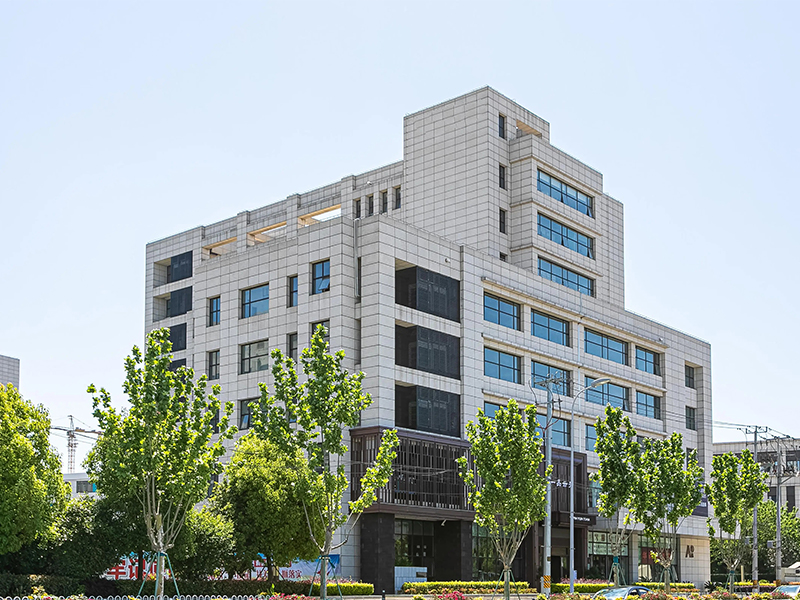
Professional LED Lighting Solutions for Next-Generation Exhibition Environments
Xiaosan was created by Mrs. Ami Q and her husband Mr. Ahren Z, founded in 2019, located in Guangdong Province, China. We are a professional factory specializing in providing LED lighting solutions for digital art galleries, immersive exhibitions, nightclubs, DJ disco events, and various entertainment venues.
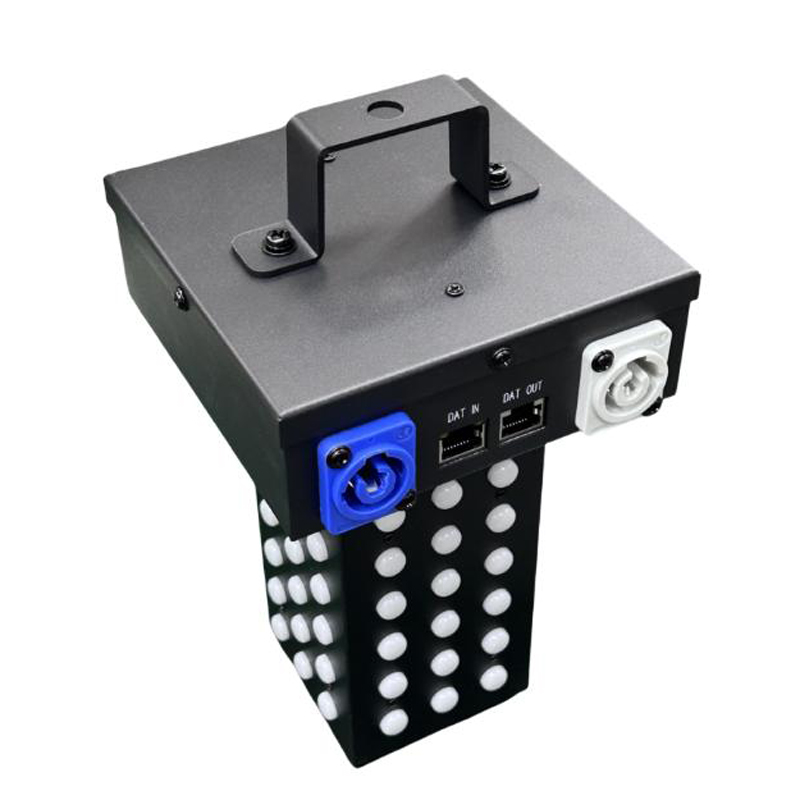
Our main products include high-quality lighting fixtures such as lifting spherical lights, Kinetic Light systems, LED effect lights, LED Screens, LED Dance Floors, 3D effect lights, scanning lights, moving head lights, and more — all engineered to deliver extraordinary visual experiences in exhibition and entertainment environments.
The factory covers an area of 1,000 square meters and is equipped with advanced production equipment and a complete R&D team to ensure that every product meets the highest industry standards. Our team consists of 30 experienced employees who specialize in lighting technology and possess rich experience and professional knowledge in the field of production and manufacturing for immersive environments.
Complete Space Lighting Solutions for Digital Art Galleries & Tech Exhibitions
Explore our comprehensive range of intelligent lighting systems designed for immersive digital art galleries, technological exhibitions, and advanced entertainment environments.
© Xiaosan Lighting — Professional Space Lighting Solutions for Immersive Digital Art Galleries and Technological Exhibitions | Guangdong, China
-
CONTACT WHATSAPP
-


-
CONTACT WECHAT
-


-
CONTACT ADDRESS
 Huafafengshang, Doumen District, Zhuhai, Guangdong, China
 -
 Huafafengshang, Doumen District, Zhuhai, Guangdong, China
 -
CONTACT NUMBER
-


-
CONTACT E-MAIL
-

