
Featured Lighting Solutions for Art & Museum Installations
Precision-engineered lighting products designed to elevate modern art installations and interactive museum experiences.
The Commercial & Industrial Landscape of Lighting for Modern Art and Museums
The global market for lighting in modern art installations and interactive museum exhibitions has undergone a profound transformation over the past decade. What was once a passive functional requirement — simply illuminating objects on display — has evolved into one of the most dynamic, technology-driven segments of the commercial lighting industry. Today, lighting is not merely a support element; it is the medium, the message, and the experience itself.
💡 According to industry analysts, the global museum and gallery lighting market is projected to surpass $4.8 billion USD by 2028, driven by rapid adoption of LED technology, smart control systems, and immersive experience design across cultural institutions worldwide.
From internationally acclaimed art museums to cutting-edge interactive science centers, institutions are investing heavily in intelligent lighting infrastructure. The shift is being powered by several converging forces: the demand for energy efficiency, the explosion of immersive and experiential art, advances in LED and OLED technology, and the rise of smart building management systems that integrate lighting as a core component of visitor experience design.
Market Drivers: Why Lighting Is Now Central to Exhibition Design
The commercial case for advanced lighting in museum and art installation environments has never been stronger. Curators, architects, and experience designers are recognizing that lighting directly influences visitor dwell time, emotional engagement, and overall satisfaction scores. Studies from leading cultural institutions have shown that optimized lighting environments can increase visitor engagement by up to 40%, translating directly into higher attendance, stronger membership programs, and increased retail revenue.
On the industrial side, manufacturers are responding with unprecedented product innovation. Pixel-controllable LED systems, dynamic color-tunable fixtures, ultra-high-CRI (Color Rendering Index) spotlights, and fully networked DMX/RDM control architectures are now standard offerings from premium lighting suppliers. The ability to program, automate, and remotely manage every fixture in a large-scale installation has opened entirely new creative and operational possibilities.
Key Technology Trends Reshaping Exhibition Lighting
Pixel-Level LED Control
Individual pixel addressability enables artists and curators to create dynamic, animated light compositions that respond to visitor movement, sound, or data inputs in real time.
AI-Driven Adaptive Lighting
Machine learning algorithms analyze visitor behavior and environmental conditions to automatically adjust color temperature, intensity, and directionality for optimal display conditions.
IoT-Connected Systems
Cloud-connected lighting networks allow remote monitoring, predictive maintenance, and synchronized multi-venue programming — ideal for traveling exhibitions and franchise museum concepts.
Ultra-High CRI Technology
CRI 97+ LED fixtures ensure that artwork colors are rendered with scientific accuracy, preserving the artist's original intent and meeting the stringent standards of conservation professionals.
The integration of DMX512 and Art-Net protocols has become the industry standard for professional exhibition environments. These control frameworks allow lighting designers to program complex cue sequences, synchronize lighting with audio-visual content, and create interactive triggers that respond to visitor inputs. Modern DMX controllers supporting 2048 channels or more can manage entire museum wings from a single interface, dramatically reducing operational complexity while expanding creative scope.
Deep Application Scenarios: Lighting in Modern Art & Interactive Exhibitions
From immersive digital art environments to heritage conservation galleries, advanced lighting technology serves a vast spectrum of specialized applications.
Immersive Digital Art Environments
Large-scale pixel LED arrays and programmable light sculptures create fully immersive environments where visitors become part of the artwork. Installations like infinity rooms, projection-mapped spaces, and interactive light forests rely on high-density pixel control systems to deliver seamless, responsive visual experiences that blur the boundary between observer and art.
Heritage & Fine Art Conservation Galleries
Museum-grade lighting for permanent collections demands ultra-low UV/IR emission, precise color rendering, and tunable white technology to protect irreplaceable artworks while presenting them in their most authentic visual form. Advanced dimming systems maintain consistent lux levels across varying ambient conditions, ensuring conservation standards are never compromised.
Interactive Science & Technology Centers
Science museums and technology exhibitions use responsive lighting systems integrated with sensor networks to create educational interactive zones. Motion-triggered light sequences, color-coded information displays, and gamified lighting environments transform complex scientific concepts into engaging, accessible visitor experiences suitable for all age groups.
Temporary & Traveling Exhibition Design
The growing market for traveling exhibitions demands lighting solutions that are modular, lightweight, and rapidly deployable. Magnetic track systems, battery-powered wireless fixtures, and pre-programmed DMX profiles allow exhibition designers to replicate complex lighting environments in venues worldwide without extensive technical infrastructure, reducing setup time and cost significantly.
Architectural & Facade Art Installations
Public art installations and building facade lighting projects represent one of the fastest-growing segments of the market. Weatherproof pixel LED systems, dynamic color-changing fixtures, and synchronized multi-building light shows have become signature elements of urban cultural districts, driving tourism and civic identity while showcasing the artistic possibilities of modern lighting technology.
Nightclub & Entertainment Venue Art Lighting
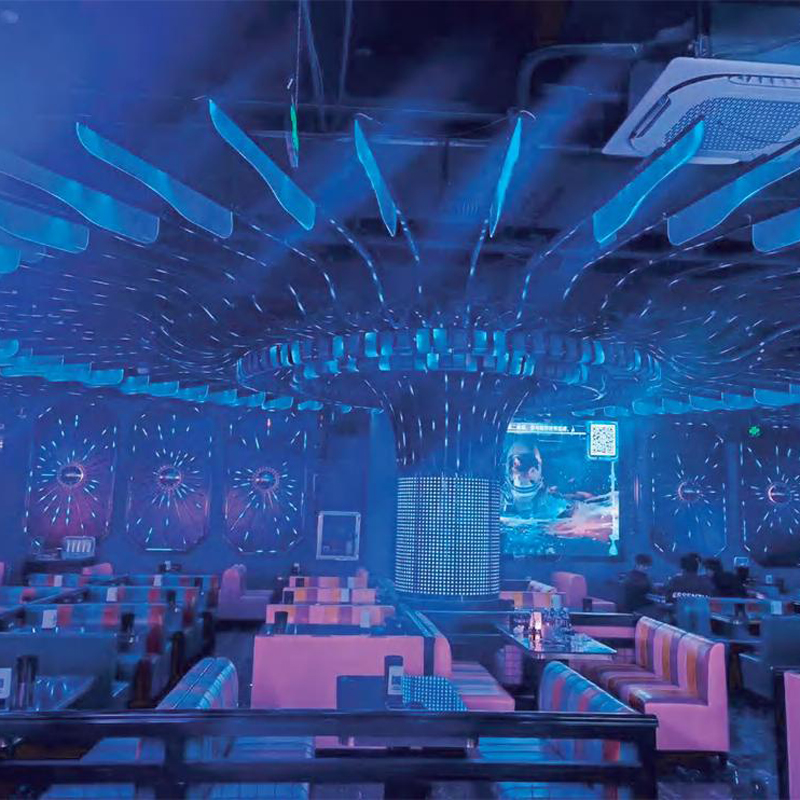
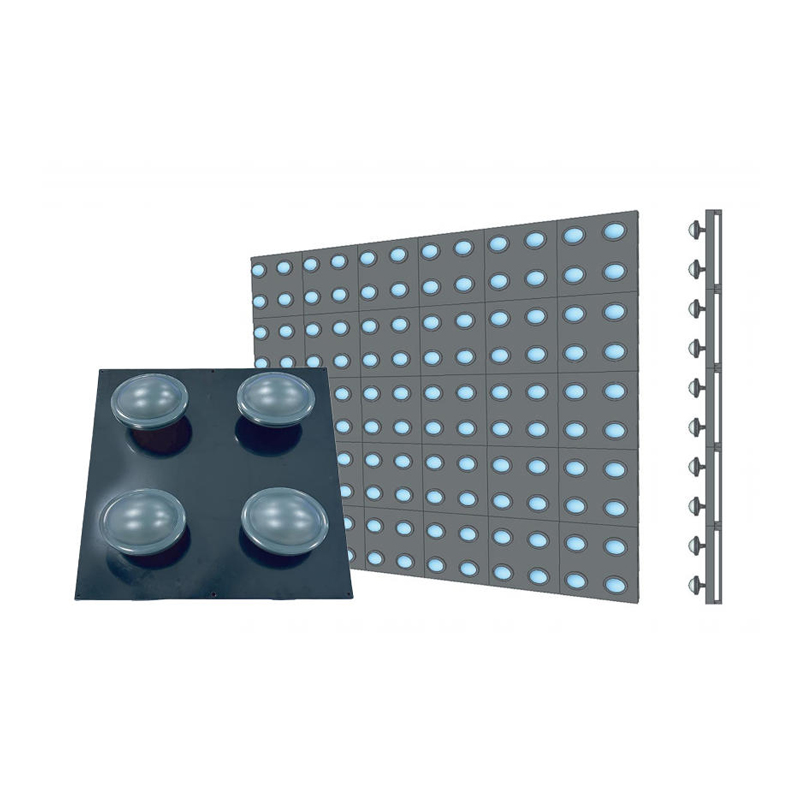
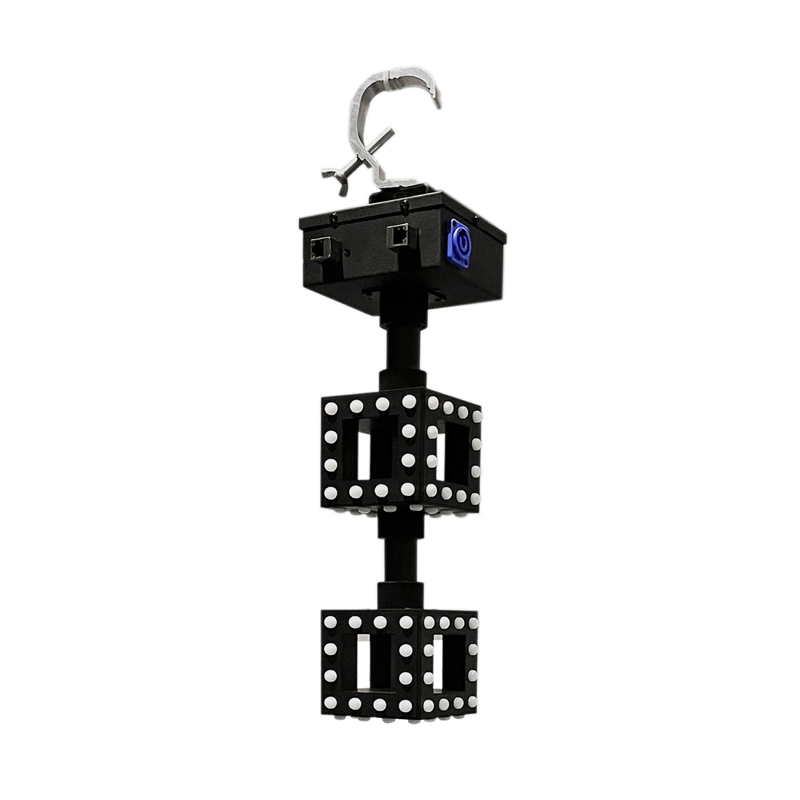
The convergence of art and entertainment has created a premium market for high-performance decorative lighting in clubs, experiential dining venues, and live performance spaces. UFO-format pixel lights, 3D sculptural LED forms, and cloud tube lighting systems create atmospheric environments that function simultaneously as art installations and functional venue lighting.
The Future of Exhibition Lighting: Convergence of Art, Technology & Sustainability
Sustainability as a Design Imperative
Environmental sustainability has become a non-negotiable criterion in museum and gallery lighting procurement. Leading cultural institutions are committed to achieving net-zero carbon operations, and lighting accounts for a significant proportion of their energy consumption. The transition to LED technology has already delivered substantial efficiency gains — modern exhibition-grade LED fixtures consume up to 80% less energy than their halogen predecessors while delivering superior optical performance. Looking ahead, the industry is exploring circadian-responsive lighting systems that not only reduce energy consumption but also improve the wellbeing of museum staff and visitors through biologically optimized light spectra.
The Role of Generative AI in Lighting Design
Artificial intelligence is beginning to reshape the creative process of lighting design for art installations. Generative AI tools can now simulate entire exhibition lighting environments in photorealistic 3D before a single fixture is installed, allowing curators and artists to iterate rapidly on lighting concepts. More significantly, AI-driven control systems are enabling real-time adaptive lighting that responds to visitor density, time of day, seasonal changes in natural light, and even the emotional tone of specific artworks — creating a living, breathing lighting environment that evolves continuously throughout the exhibition's lifespan.
Human-Centric Lighting in Cultural Spaces
The science of human-centric lighting — designing illumination environments that support human health, mood, and cognitive performance — is increasingly being applied in museum and gallery contexts. Research has demonstrated that appropriate color temperature and light intensity levels can significantly enhance the cognitive processing of visual information, improve memory retention of exhibited content, and create more emotionally resonant visitor experiences. Tunable white LED systems that shift from warm to cool color temperatures throughout the day are now being specified in major museum renovation projects worldwide.
🔬 Industry Insight: The integration of biometric feedback systems — measuring visitor heart rate, skin conductance, and eye movement — with adaptive lighting control represents the next frontier of exhibition design. Early pilot programs at leading art institutions have demonstrated measurable improvements in visitor engagement and emotional impact when lighting responds dynamically to physiological data.
Commercial Opportunities in the Museum Lighting Ecosystem
The museum and art installation lighting sector presents significant commercial opportunities across the entire value chain. Manufacturers are investing in proprietary control ecosystems that create long-term customer relationships through software subscriptions and ongoing technical support. System integrators are developing specialized expertise in cultural venue lighting design, commanding premium fees for their knowledge of conservation requirements, visitor experience optimization, and complex DMX programming. And at the product level, the demand for unique, artistically distinctive lighting fixtures — from pixel UFO bars to 3D sculptural LED forms — is creating a premium market segment that rewards innovation and design excellence.
For lighting suppliers targeting this market, the key differentiators are technical performance, design flexibility, and the ability to provide comprehensive project support from concept through commissioning. Institutions are seeking partners, not just vendors — suppliers who can contribute to the creative vision of an exhibition while delivering reliable, maintainable systems that perform consistently over multi-year installation lifespans.
Why Choose Us
Your trusted partner for professional lighting solutions in modern art installations and interactive museum exhibitions.
Services
Offers professional design, 3D solutions, and marketing support for advertising projects.
Control Systems
We offer advanced lighting control systems that allow for seamless integration and precise control of all lighting fixtures.
Market
Serves over 30,000 companies, including Global 500s, and exports to 30+ countries.
Support
Provides 24h online service with our sales team, we are proficient in multiple languages.
High Quality of The Product
With an excellent management group and technical group, the company will make efforts to increase R & D investment in order to ensure the high quality of the product for clients. Our company's vision is: SINCERE, PROFESSIONAL, INNOVATION.
Every lighting product we manufacture undergoes rigorous quality control processes, from component selection and optical performance testing to long-term durability validation. Our commitment to quality is not just a standard — it is the foundation of every client relationship we build.
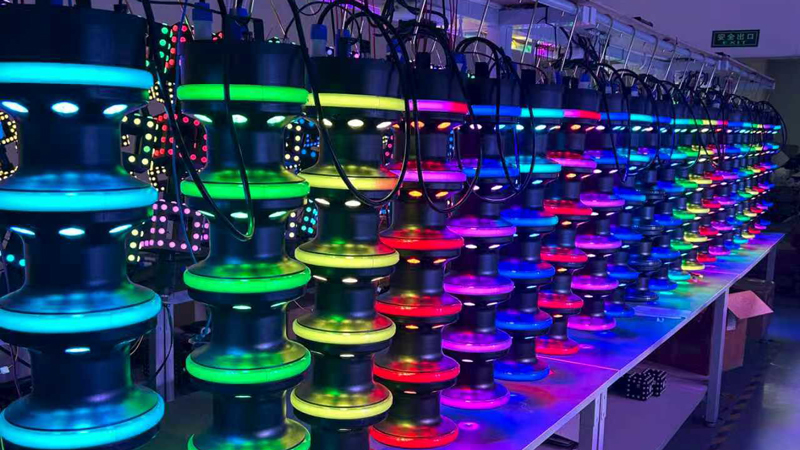
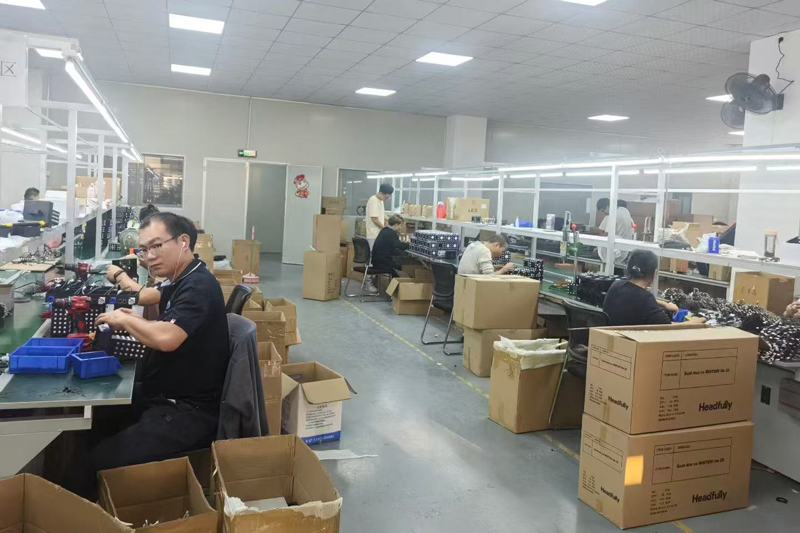
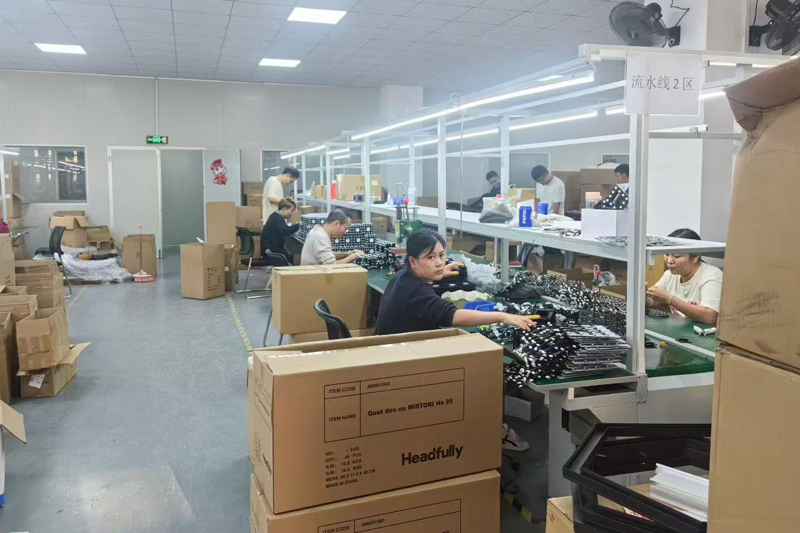
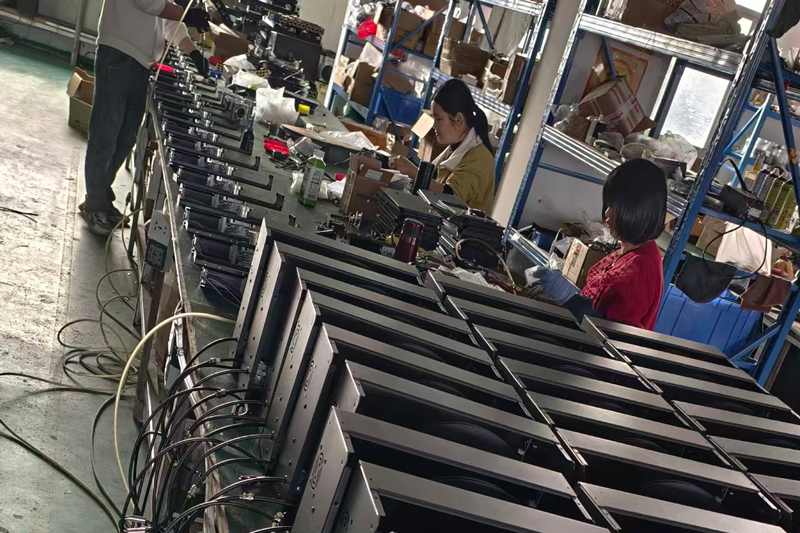
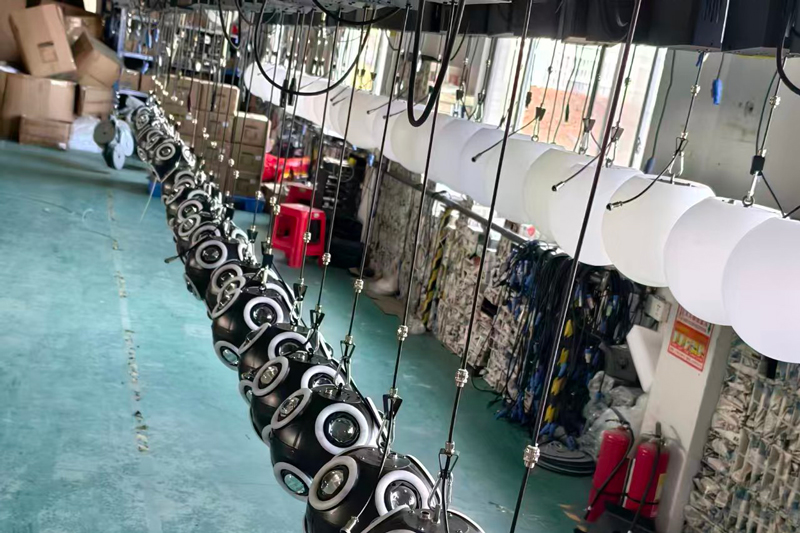
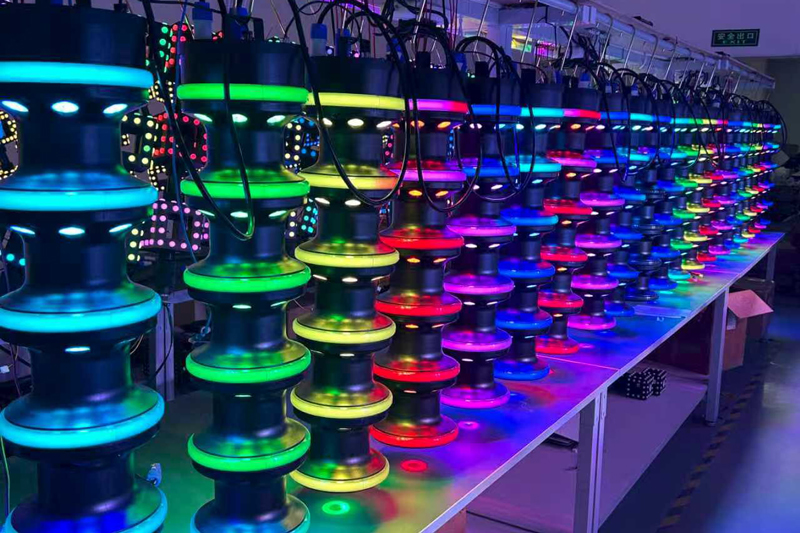
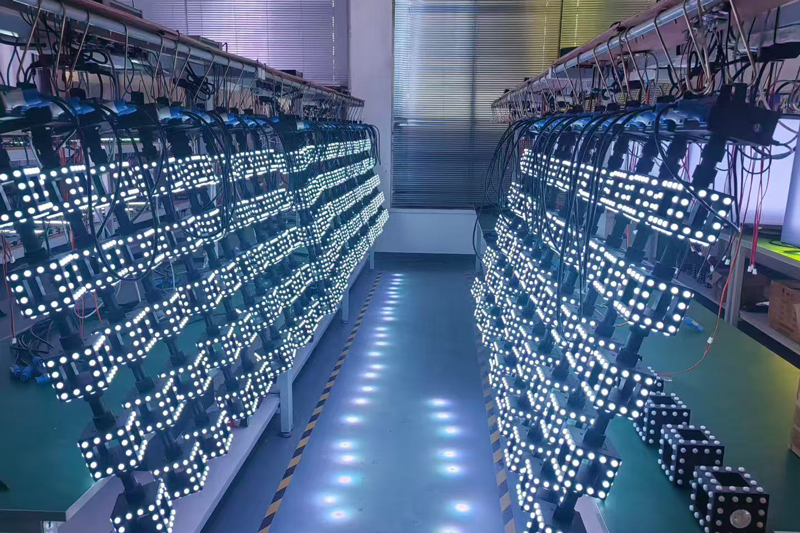
Factory Tour
Our state-of-the-art manufacturing facilities ensure every lighting product meets the highest standards of quality, precision, and performance required by modern art installations and museum exhibitions.
Complete Lighting Product Range for Art Installations & Museum Exhibitions
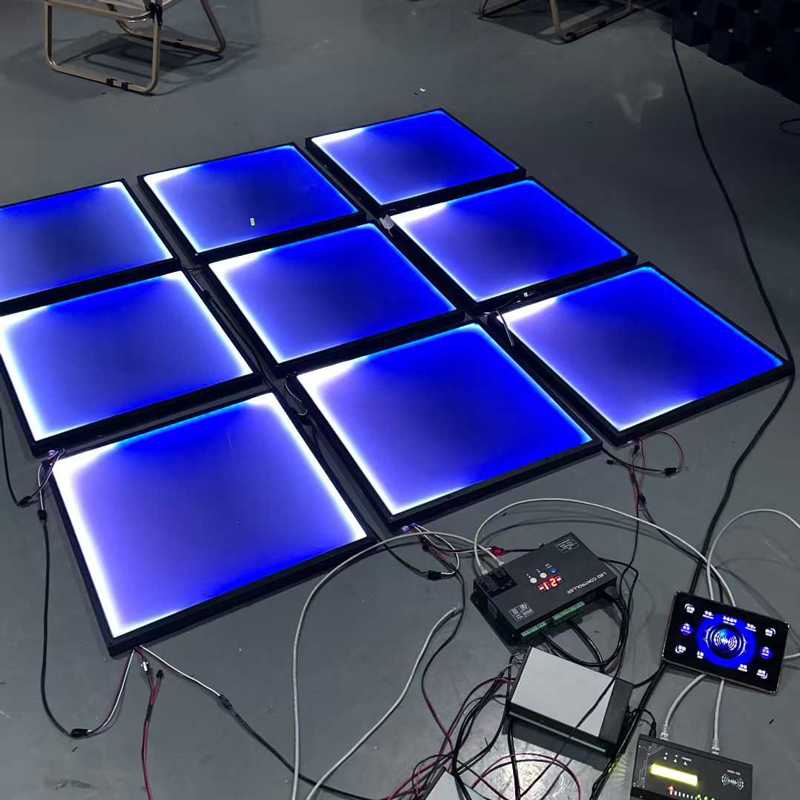
Explore our full portfolio of innovative lighting solutions engineered for modern art environments and interactive exhibition spaces.

-
CONTACT WHATSAPP
-


-
CONTACT WECHAT
-


-
CONTACT ADDRESS
 Huafafengshang, Doumen District, Zhuhai, Guangdong, China
 -
 Huafafengshang, Doumen District, Zhuhai, Guangdong, China
 -
CONTACT NUMBER
-


-
CONTACT E-MAIL
-

