
Signature Lighting Solutions For Digital Art & Tech Exhibitions
Engineered for immersive environments, our featured lighting systems redefine spatial experience in digital art galleries and technological showcases worldwide.
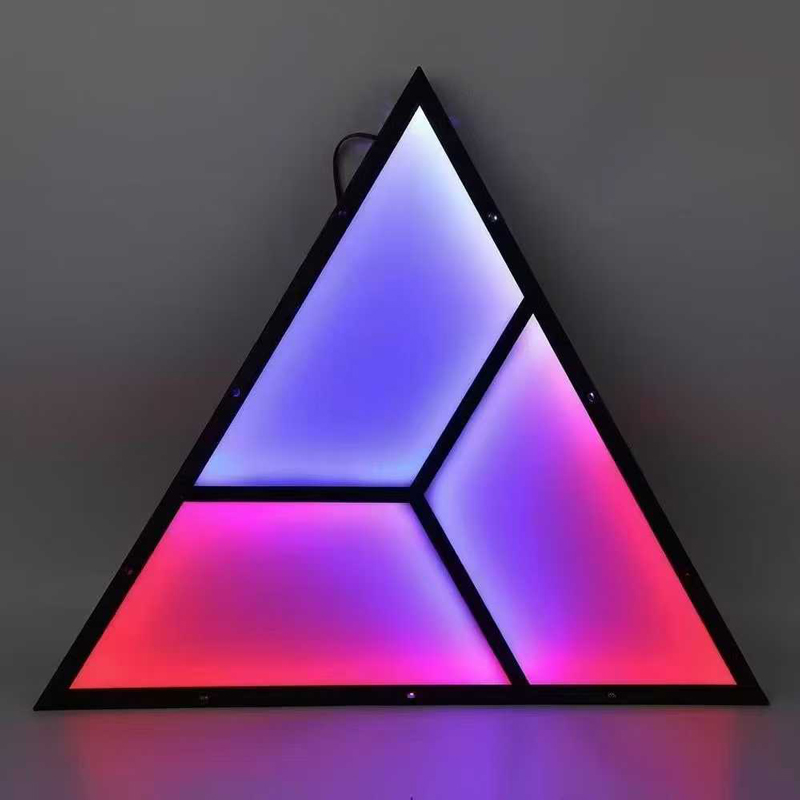
LED Triangle Light For Immersive Digital Art Gallery Geometry Installations
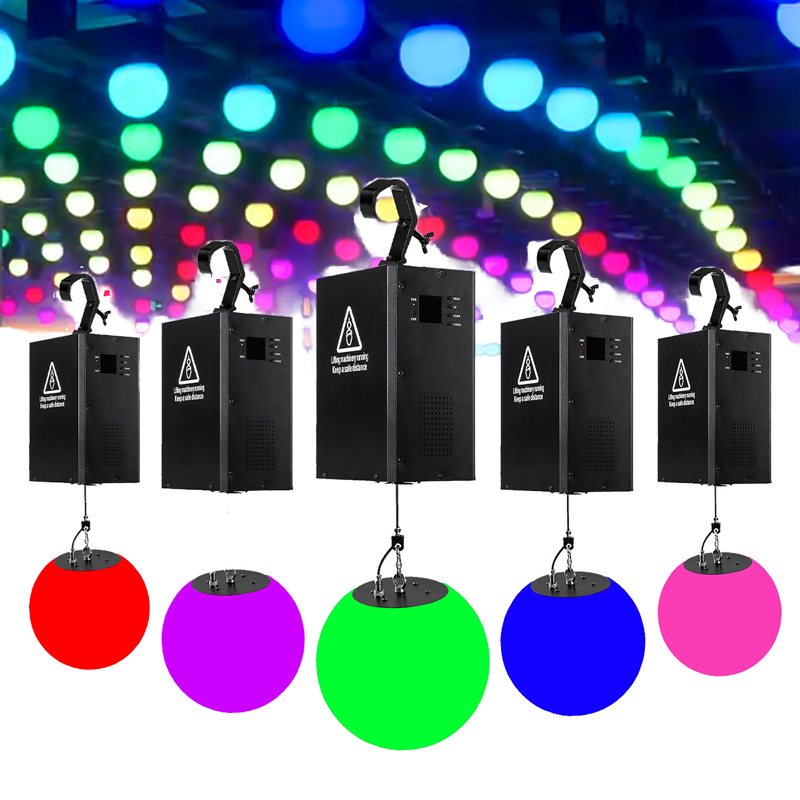
LED Kinetic Light RGBW DMX For Dynamic Technological Exhibition Stage Design
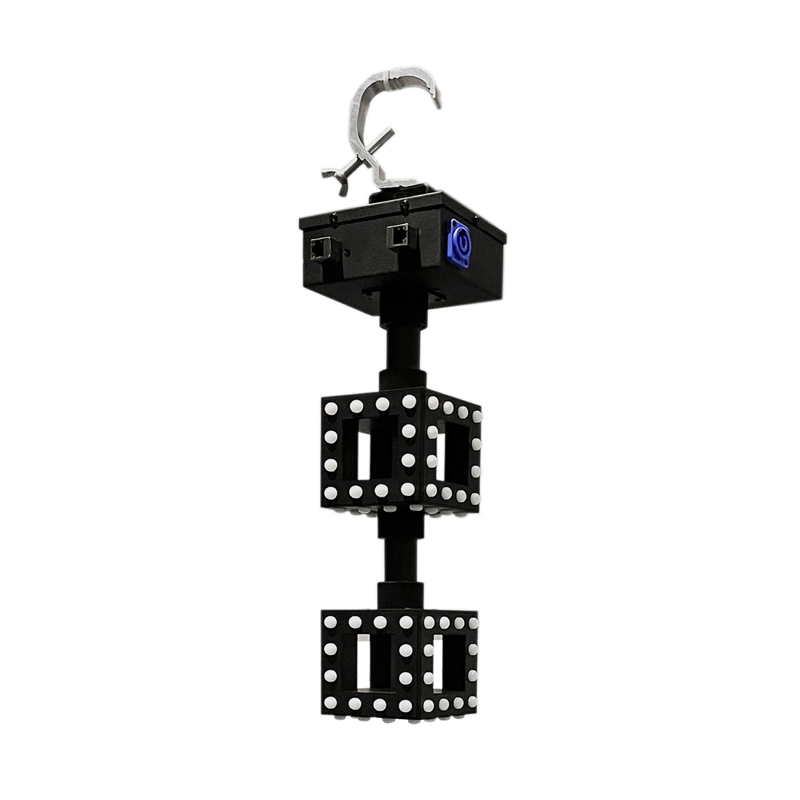
LED Magic 3D Gourd Light For Immersive Gallery Spatial Installations
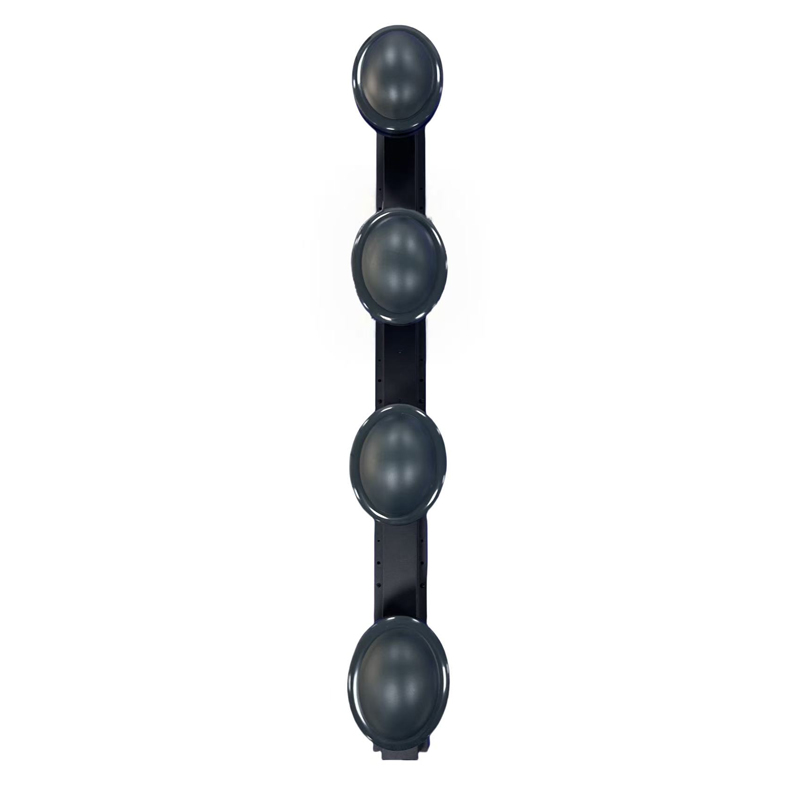
Pixel "UFO" Bar Light For Immersive Tech Exhibition Ambient Display
The Rise of Immersive Lighting in Digital Art Galleries and Tech Exhibitions
Over the past decade, the global art and technology exhibition industry has undergone a profound transformation. Traditional static galleries have evolved into dynamic, multi-sensory environments where lamp lighting plays a decisive role in shaping visitor perception, emotional response, and spatial storytelling. The intersection of advanced LED technology, programmable kinetic systems, and digital media has opened a new frontier for exhibition designers, curators, and lighting engineers worldwide.
Immersive digital art galleries — such as teamLab Borderless in Tokyo, Atelier des Lumières in Paris, and Superblue in Miami — have demonstrated that properly designed lighting systems are not mere accessories but core architectural elements that define the entire visitor journey. According to industry reports, the global immersive experience market exceeded USD 13 billion in 2024 and is projected to surpass USD 28 billion by 2030, with lighting infrastructure representing 18–25% of total project investment.
💡 Industry Insight: In 2024, over 70% of newly opened immersive art venues worldwide specified LED-based programmable lighting as a primary infrastructure requirement — a figure that has more than doubled since 2018, reflecting the structural shift in how exhibitions are conceived and delivered.
Commercial and Industrial Status of Lamp Lighting in Exhibition Spaces
The commercial landscape for specialized lamp lighting in digital art galleries and technological exhibitions is maturing rapidly. Key industry verticals now actively investing in high-specification lighting solutions include cultural institutions, corporate technology showcases, theme parks, science museums, brand experience centers, and international trade expos. Each environment presents distinct requirements in terms of color rendering, dynamic control, structural integration, and energy efficiency.
From an industrial production standpoint, leading manufacturers have shifted focus toward RGBW pixel-addressable systems, kinetic LED winch arrays, and DMX-controllable multi-zone architectures that enable real-time synchronization with audio-visual content platforms. The integration of Art-Net and sACN protocol support means that lighting rigs can be directly orchestrated from media server environments such as Resolume, disguise, and TouchDesigner — dramatically expanding the creative possibilities for exhibition designers.
Industrial manufacturing has also responded to demand for modular, scalable systems. Products like LED triangle panels, 3D pixel spheres, and kinetic pendants are now designed with tool-free installation, standardized rigging points, and IP-rated housings that meet the rigorous demands of permanent gallery installations as well as touring exhibitions requiring repeated assembly and disassembly cycles.
Deep Application Scenarios: Where Lamp Lighting Transforms Experience
1. Immersive Projection Mapping Environments
In large-scale projection mapping installations — where video content is mapped across three-dimensional surfaces — ambient LED lighting serves as a critical layer of depth and atmosphere. Programmable LED perimeter lighting, pixel bar systems, and dynamic fill lights are synchronized with projection content to extend the visual field beyond the projection boundary, eliminating the harsh transitions that can break immersion. Pixel UFO bar lights and LED kinetic systems excel in this role, providing dynamic halos of color that reinforce the narrative logic of the projected content.
2. Interactive Technology Pavilions and Corporate Experience Centers
Global technology companies including Apple, Samsung, Huawei, and BMW have pioneered the concept of brand experience centers that use architectural lighting as a storytelling instrument. In these spaces, LED ceiling grids, kinetic pendant arrays, and programmable floor lighting create responsive environments that react to visitor movement detected via sensor networks. The result is a living, breathing space where the lighting itself becomes part of the interactive narrative — reinforcing brand values of innovation, precision, and forward vision.
3. Science and Natural History Museums with Digital Augmentation
Modern science museums are increasingly layering digital content over physical exhibits. In these hybrid environments, tunable white LED systems with high Color Rendering Index (CRI ≥ 95) preserve the integrity of physical artifacts while accent pixel lighting and dynamic color wash units create immersive contextual environments around exhibit cases. LED guide lights with acrylic light-pipe technology are particularly effective for wayfinding within complex museum layouts, providing intuitive spatial navigation without disrupting the exhibit atmosphere.
4. Architectural and Urban Lighting Art Installations
Public art installations — from permanent civic sculptures to temporary festival installations — represent a growing market for advanced lamp lighting technology. LED triangle structures, 3D pixel arrays, and kinetic pendant systems have been deployed in outdoor plazas, building facades, and festival grounds worldwide. These installations demand robust weatherproofing (IP65+), long-life components rated for 50,000+ hours of continuous operation, and wireless control architectures that allow real-time programming without physical infrastructure on site.
5. Virtual Production and XR Stage Environments
The explosive growth of LED volume stages for film and television production has created substantial demand for precision-controlled ambient lighting systems. In virtual production environments, where LED wall panels display photorealistic digital environments behind actors, surrounding fixture lighting must match the color temperature and dynamic range of the LED wall in real time. DMX kinetic light systems and RGBW pixel bars provide the responsive, high-fidelity light environment that virtual production workflows require.
Key Development Trends Shaping the Industry
From AI-driven adaptive lighting to sustainable energy frameworks, the lighting industry for immersive spaces is at a pivotal inflection point of innovation and growth.
AI-Adaptive Lighting Intelligence
Machine learning algorithms now enable lighting systems to adapt dynamically based on occupancy patterns, content context, and real-time environmental sensors — creating experiences that evolve with each visitor interaction.
Ultra-High Pixel Density LED Arrays
Sub-millimeter pitch LED panels and pixel-addressable tube systems now achieve seamless resolution across architectural surfaces, blurring the boundary between display technology and structural lighting design.
Sustainable Energy-Efficient Systems
Next-generation LED drivers and power supply architectures reduce energy consumption by up to 40% versus previous generations, while extended component lifespans reduce total lifecycle costs for permanent installations.
Wireless and IoT-Connected Control
Bluetooth mesh, Zigbee, and Wi-Fi DMX protocols are replacing cable-intensive control architectures, enabling rapid deployment of complex multi-zone lighting rigs for touring exhibitions and temporary installations.
Kinetic and Robotic Light Choreography
Motorized winch systems and robotic fixture arms allow lighting elements to move through three-dimensional space in choreographed sequences — transforming ceilings and structural voids into living canvases of light and motion.
Biometric-Responsive Environments
Emerging integration with biometric sensors enables lighting systems to respond to visitor emotional state, gaze direction, and physiological indicators — pioneering a new paradigm of deeply personalized immersive experience.
Why Specialized Lamp Lighting is Non-Negotiable for Digital Art Galleries
Generic commercial or architectural lighting is fundamentally unsuited to the demands of immersive digital art environments. Standard fixtures lack the spectral precision, dynamic range, and protocol compatibility required for seamless integration with contemporary digital exhibition systems. The consequences of under-specifying lighting in these environments are severe: washed-out projection content, inconsistent color rendering across exhibit zones, inability to synchronize with audio-visual programming, and ultimately a diminished visitor experience that undermines the curatorial vision.
Professional exhibition lamp lighting solutions address these shortcomings through several key technical advances. First, full-spectrum RGBW LED engines provide the chromatic flexibility to match any color temperature or hue required by the creative brief, from clinical daylight white for technology showcases to deep saturated color for artistic installations. Second, high-frequency flicker-free dimming (typically 25kHz+) ensures that lighting fixtures perform cleanly under camera capture — a critical requirement as visitor photography and social media documentation have become integral to exhibition marketing strategies. Third, DMX512/RDM and Art-Net protocol support ensures seamless integration with industry-standard lighting control consoles and media server platforms, giving production teams the control granularity they need to realize complex synchronized performances.
Beyond technical performance, the physical form of exhibition lighting fixtures has become an aesthetic consideration in its own right. Geometric LED panels, 3D sculptural light arrays, and kinetic pendant systems contribute to the exhibition environment even when not performing their primary lighting function — their physical presence communicates technological sophistication and creative ambition to visitors before a single program runs.
Selecting the Right Lighting System: A Framework for Exhibition Designers
Choosing the optimal lamp lighting configuration for an immersive digital art gallery or technological exhibition requires a structured evaluation across five dimensions: spatial geometry, content type, control complexity, installation context, and budget lifecycle. Spatial geometry determines whether linear, point-source, or surface-emission lighting strategies are most appropriate. Content type — whether projection mapping, interactive digital displays, physical artifact illumination, or live performance — defines the spectral and dynamic requirements of the lighting rig. Control complexity relates to the sophistication of synchronization required between lighting and other AV systems. Installation context addresses permanence, weatherproofing, and maintenance access. Lifecycle budgeting must account for component longevity, driver replacement cycles, and energy operational costs over the intended installation period.
For most immersive exhibition environments, a hybrid approach combining ambient pixel wash systems, kinetic accent elements, and precision task lighting for specific exhibit pieces delivers the most versatile and effective result. This layered lighting architecture provides the creative team with maximum flexibility across different programming modes — from high-energy interactive sessions to contemplative gallery viewing to live event performance — without requiring physical reconfiguration of the rig.
Why Choose Us
Trusted by thousands of immersive experience designers, galleries, and technology brands across more than 30 countries worldwide.
Services
Offers professional design, 3D solutions, and marketing support for advertising projects, including full pre-installation consultation for complex immersive environments.
Control Systems
We offer advanced lighting control systems that allow for seamless integration and precise control of all lighting fixtures, including DMX, Art-Net, and wireless protocol support.
Market
Serves over 30,000 companies, including Global 500s, and exports to 30+ countries — delivering proven performance at the world's most demanding exhibition venues.
Support
Provides 24h online service with our sales team, proficient in multiple languages, ensuring seamless project communication across every time zone and market region.
High Quality of The Product
With an excellent management group and technical group, the company will make efforts to increase R & D investment in order to ensure the high quality of the product for clients. Our engineering team maintains strict quality control protocols across every production stage — from raw material sourcing through final performance validation — to guarantee that every lighting fixture meets the exacting standards demanded by world-class immersive exhibition environments.
Our manufacturing facility is equipped with advanced automated assembly lines, precision optical testing chambers, and accelerated life-cycle testing environments that validate product performance across temperature extremes, humidity cycles, and sustained high-intensity operating conditions. Every product line undergoes rigorous EMC, LVD, and photometric certification before market release.
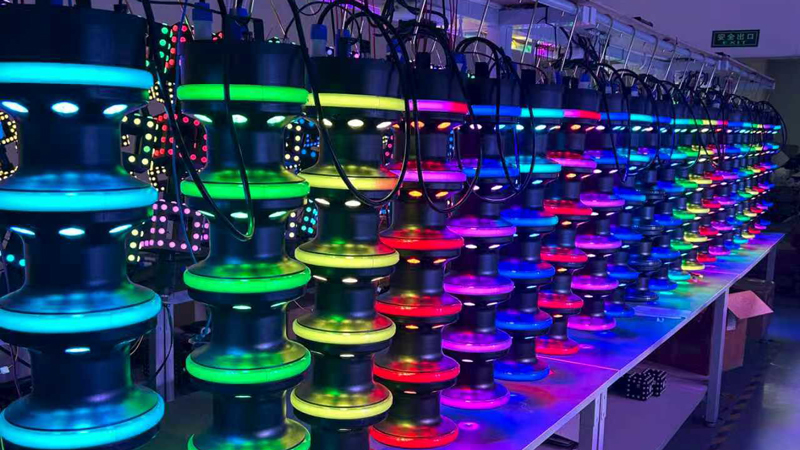
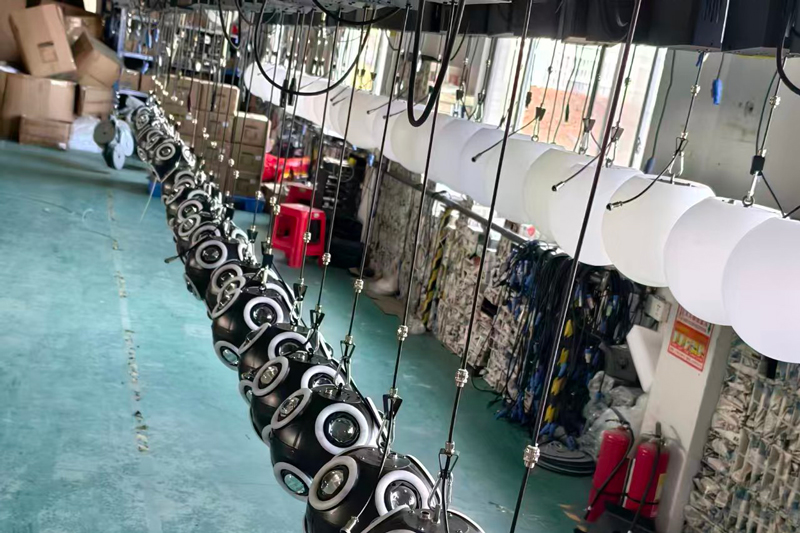
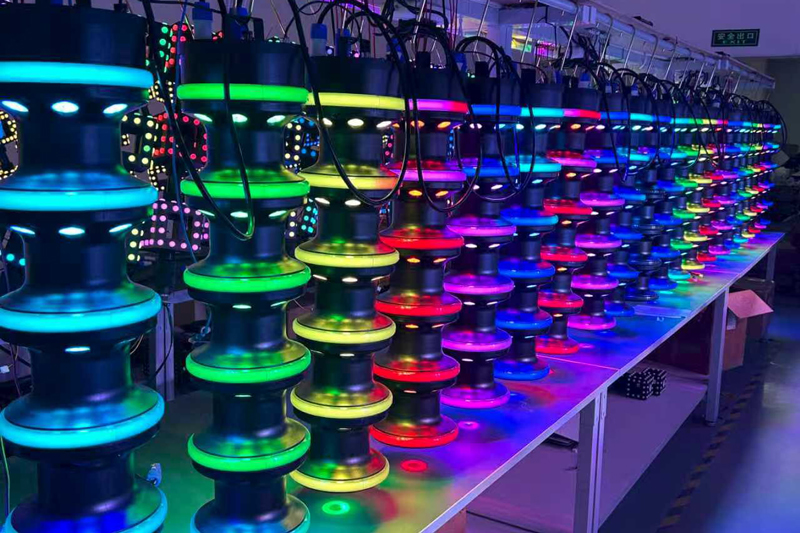
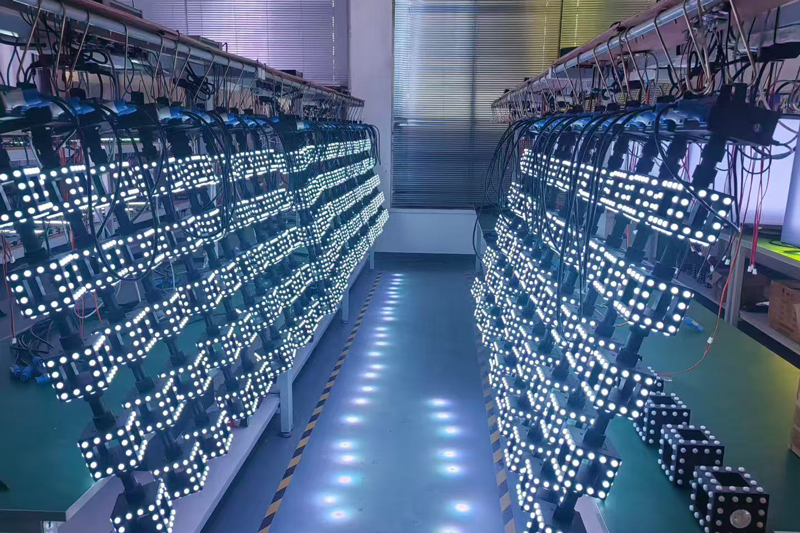
Factory Tour
Our state-of-the-art manufacturing facility combines precision engineering with advanced quality management systems to produce world-class lighting solutions for immersive digital art galleries and technological exhibitions.
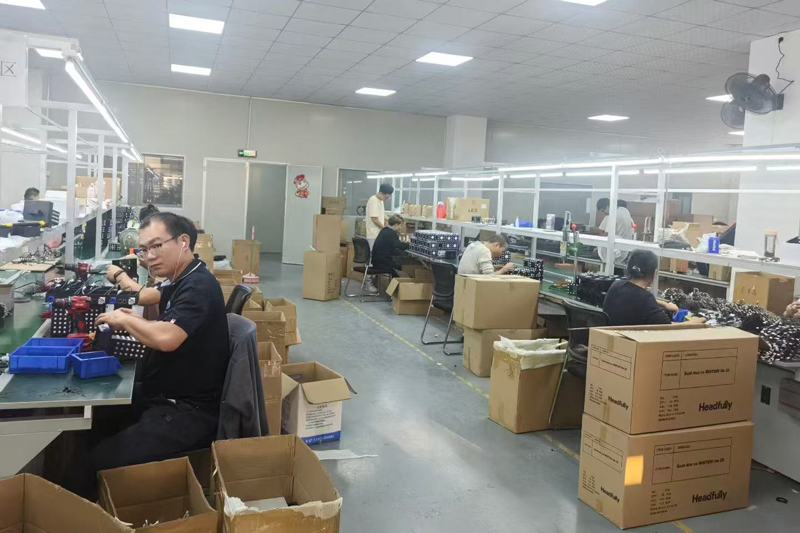
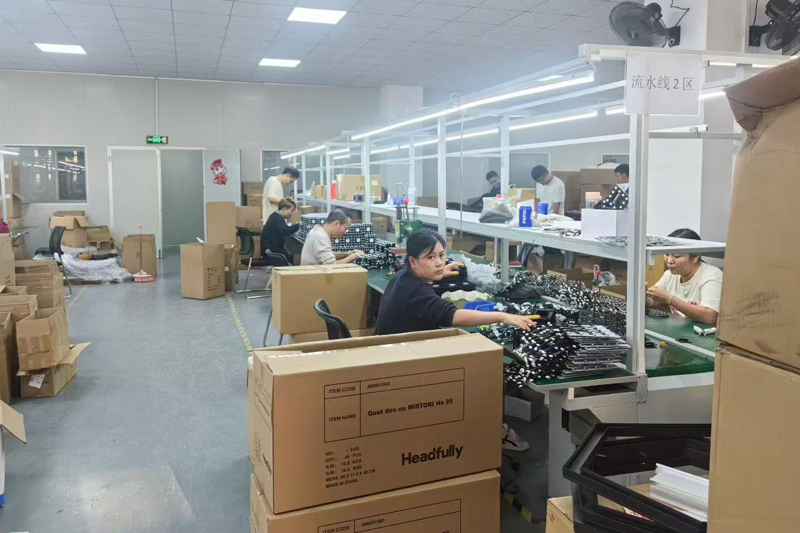
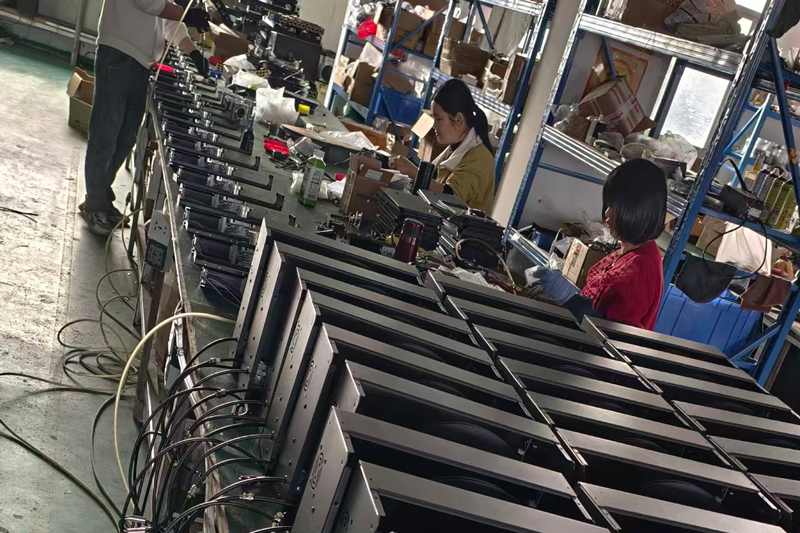
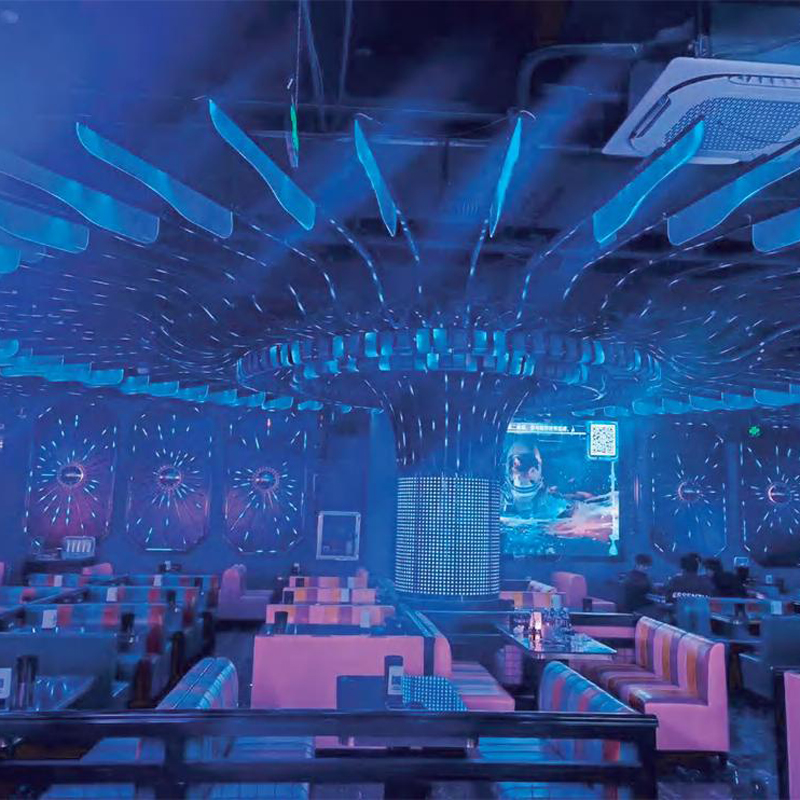
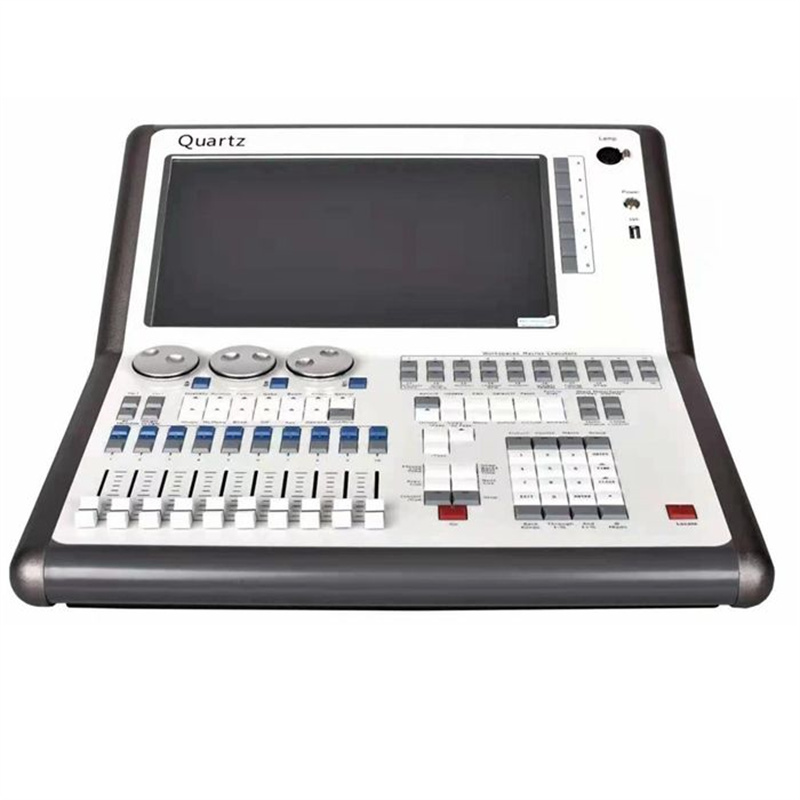
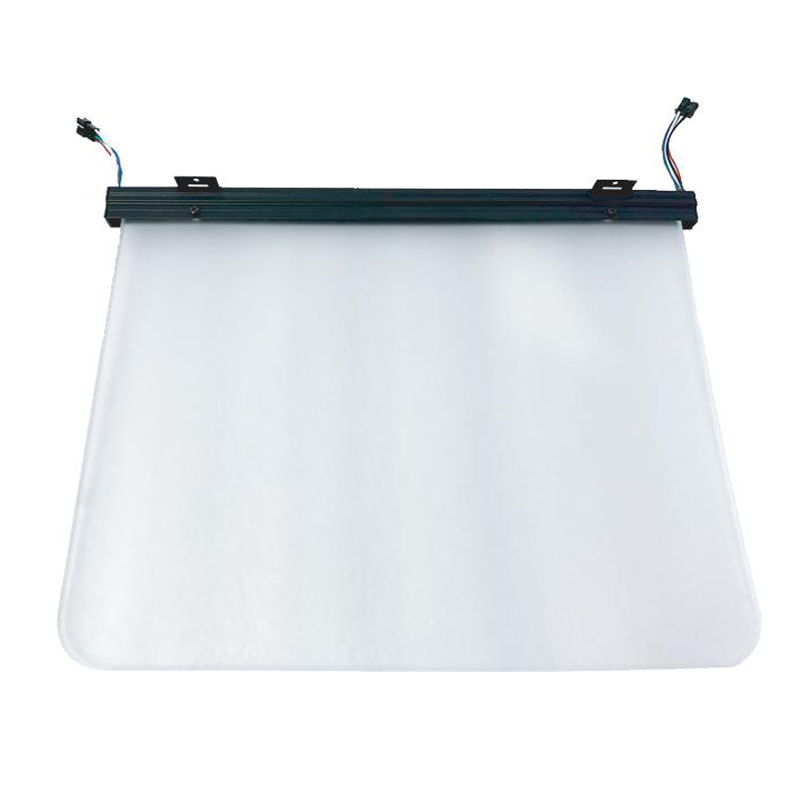
Full Lighting Solutions For Immersive Digital Art Galleries & Technological Exhibitions
Explore our complete range of professional lamp lighting systems — engineered to deliver transformative visual experiences across every immersive exhibition environment.
-
CONTACT WHATSAPP
-


-
CONTACT WECHAT
-


-
CONTACT ADDRESS
 Huafafengshang, Doumen District, Zhuhai, Guangdong, China
 -
 Huafafengshang, Doumen District, Zhuhai, Guangdong, China
 -
CONTACT NUMBER
-


-
CONTACT E-MAIL
-

