
Innovation Lighting Systems for Digital Art & Tech Exhibitions
Explore our signature lighting solutions engineered for immersive gallery environments, smart exhibitions, and high-impact digital art installations.
Redefining Visual Experiences Through Innovation Lighting
The global landscape of digital art and technology exhibitions is undergoing a fundamental transformation. Where traditional gallery spaces once relied on static incandescent or fluorescent fixtures, today's most celebrated immersive installations demand intelligent, programmable, and dynamically responsive lighting ecosystems. Innovation lighting has emerged as the decisive differentiator between a forgettable display and a truly transformative visitor experience.
Immersive digital art galleries — such as TeamLab Planets in Tokyo, the Atelier des Lumières in Paris, and countless emerging venues across Asia, Europe, and North America — have set a global benchmark by deploying advanced LED matrix systems, DMX-controlled fixtures, and synchronized lighting choreography to dissolve the boundaries between art, architecture, and audience. Visitors no longer observe art; they inhabit it. This shift is powered almost entirely by innovation in lighting technology.
Technological exhibition halls and science museums face a parallel demand. Exhibitors presenting AI robotics, autonomous vehicles, semiconductor technologies, or biotechnology products must ensure their booth environments convey precision, cutting-edge credibility, and emotional engagement simultaneously. Precisely programmed lighting — from cool-white accentuating metallic components to dynamic color washes that respond to visitor interaction — has become as integral to the product narrative as the product itself.
Commercial & Industrial Status of Innovation Lighting
Understanding how the innovation lighting industry is evolving across commercial and industrial dimensions is critical for exhibition designers, gallery curators, and technology showroom operators.
🤖 AI-Integrated Lighting Intelligence
The integration of artificial intelligence with DMX-based lighting infrastructure is enabling galleries and exhibition venues to deploy adaptive lighting that responds in real time to visitor density, ambient light levels, and behavioral patterns. AI-driven controllers can autonomously orchestrate hundreds of fixtures, creating dynamic scenes that evolve throughout the day without manual programming intervention. This dramatically reduces operational overhead while maximizing visual impact.
🌐 IoT-Connected Smart Venue Lighting
Internet of Things connectivity is transforming how exhibition lighting is managed at scale. Networked LED systems allow facility managers to monitor energy consumption, fixture health, and scene performance from a centralized dashboard — whether they are on-site or accessing the system remotely. For international exhibition organizers managing multiple venues simultaneously, IoT-enabled lighting platforms represent a pivotal operational upgrade.
⚡ Sustainable LED Technology Adoption
Environmental responsibility has become a commercial imperative for galleries and exhibition organizers. LED-based innovation lighting systems consume up to 75% less energy than traditional lighting alternatives while delivering superior color rendering index (CRI) values above 90 — essential for faithful art reproduction. Leading exhibitions are now certifying their lighting infrastructure under green building standards, using this as a competitive differentiator and brand statement.
🎛️ DMX 512 Protocol: Industry Standard for Control
The DMX 512 protocol has consolidated its position as the universal language of professional stage and exhibition lighting. With support for up to 512 individually addressable channels per universe — and modern systems supporting thousands of universes simultaneously — DMX enables the granular control that complex immersive installations demand. From precise gobo rotations to pixel-mapped LED arrays spanning entire ceilings, DMX remains the backbone of professional innovation lighting infrastructure.
🎨 Projection-LED Hybrid Installations
Forward-thinking exhibition designers are increasingly combining high-lumen projection mapping with dynamic LED ambient systems to create layered immersive environments. The projection layer delivers narrative and detailed imagery while innovation LED lighting provides atmospheric depth, emotional resonance, and three-dimensional spatial definition. This hybrid approach is now standard practice in flagship brand experience centers and world-class digital art galleries.
📱 Visitor-Interactive Responsive Lighting
One of the most compelling commercial trends is lighting that responds to individual visitor interaction. Using proximity sensors, pressure-sensitive flooring, and computer vision, innovation lighting systems can create personalized light experiences — a visitor entering a darkened corridor triggers a cascade of LED pulses, or a touch on an exhibit surface radiates a wave of color outward. This interactivity dramatically increases dwell time and social media shareability, delivering measurable ROI for exhibition operators.
Deep-Dive Application Scenarios for Innovation Lighting
From intimate gallery spaces to vast convention halls, innovation lighting transforms every environment into an extraordinary sensory experience.
Digital Art Gallery Installations
Permanent and traveling digital art exhibitions deploy programmable LED matrices and 3D ambient lighting to create fully immersive environments where the artwork extends beyond screens into the physical space.
Technology & Science Exhibition Halls
Precision cool-white lighting with high CRI values ensures technical exhibits are presented with uncompromised clarity, while accent systems and dynamic effects contextualize products within their visionary narratives.
Brand Experience Centers
Global brands use innovation lighting in flagship experience centers to emotionally charge product launches, creating cinematic environments that reinforce brand identity and generate lasting visitor impressions.
Concert & Live Event Production
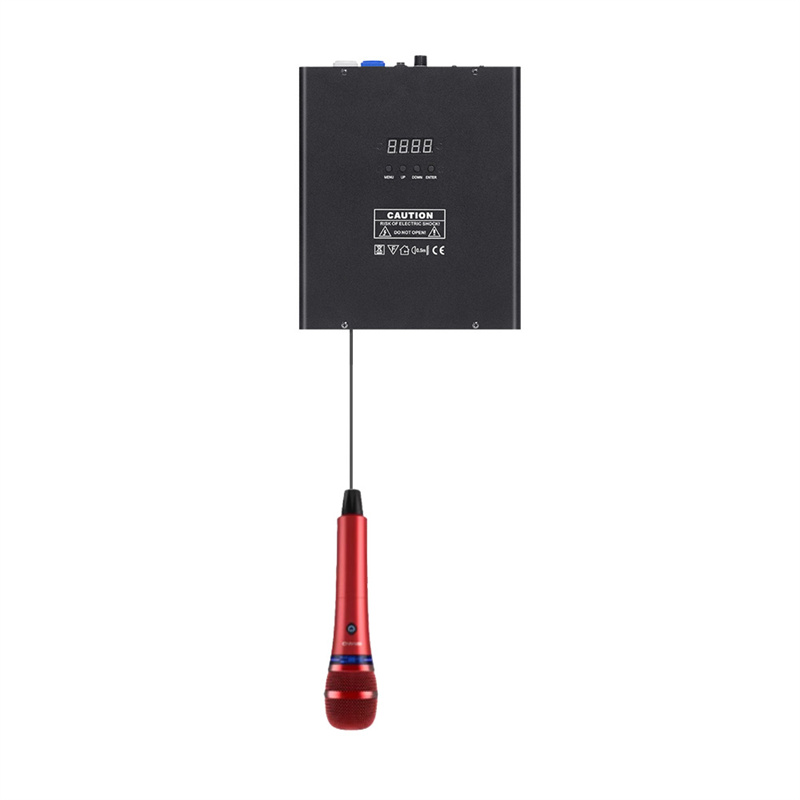
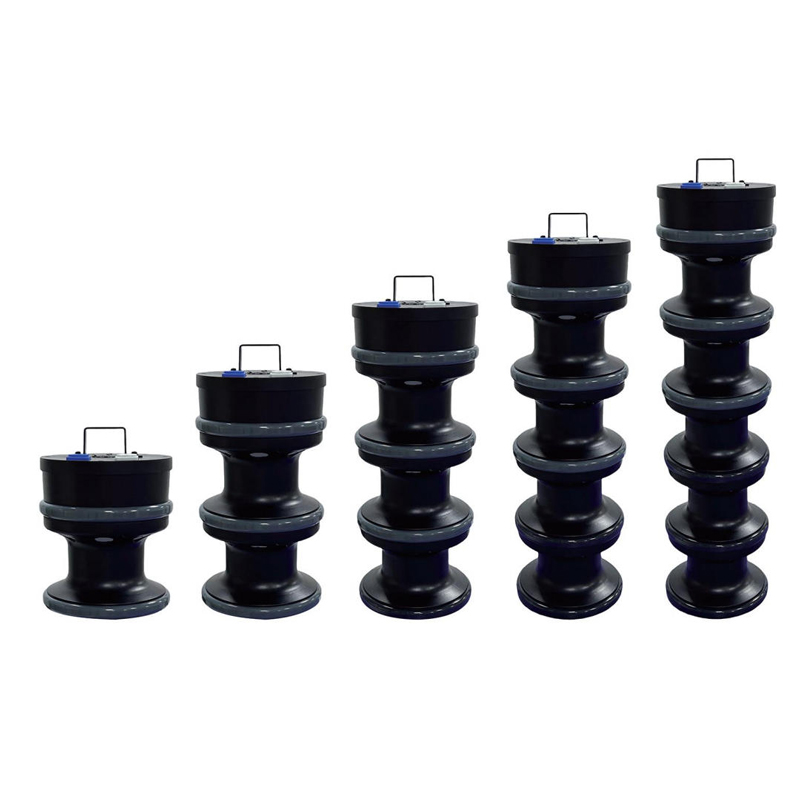
Synchronized DMX lighting rigs, elevation systems, and dynamic fixture arrays create breathtaking live performance environments where lighting becomes a co-performer alongside the music and artists on stage.
Museum & Heritage Illumination
Museums are adopting tunable white and low-UV LED systems to preserve artifacts while delivering theatrical presentation quality, allowing curators to adjust color temperature to guide narrative flow through exhibition spaces.
Luxury Retail & Event Spaces
Luxury retail environments and high-end event venues use innovation lighting to create atmospheres of exclusivity and desire, with precision-controlled beam angles, color rendering, and dynamic effects tailored to each curated moment.
Architectural & Public Space Integration
Facades, plazas, and civic spaces increasingly feature synchronized LED architectural lighting that transforms urban environments into immersive canvases, driving tourism and community engagement through dynamic public art.
Esports & Gaming Arenas
Competitive gaming arenas require rapid-response dynamic lighting synchronized with in-game events, creating electrifying spectator experiences that blur the boundary between digital and physical environments.
Why Leading Galleries & Exhibitions Choose Our Innovation Lighting
Our commitment to engineering excellence, intelligent control systems, and global market expertise makes us the preferred partner for world-class immersive environments.
Services
Offers professional design, 3D solutions, and marketing support for advertising projects. Our team collaborates directly with gallery curators and exhibition architects to deliver bespoke lighting concepts.
Control Systems
We offer advanced lighting control systems that allow for seamless integration and precise control of all lighting fixtures, including DMX 512, Art-Net, and wireless protocol support for complex multi-zone environments.
Market
Serves over 30,000 companies, including Global 500s, and exports to 30+ countries. Our solutions have illuminated exhibitions across Asia, Europe, the Americas, and the Middle East.
Support
Provides 24h online service with our sales team. We are proficient in multiple languages and offer remote commissioning support, on-site technical assistance, and comprehensive post-installation training programs.
The Architecture of Immersive Lighting Systems
A professional innovation lighting deployment for a digital art gallery or technology exhibition typically comprises three interdependent layers: the fixture layer, the control layer, and the network layer. Each must be engineered with precision and integration in mind.
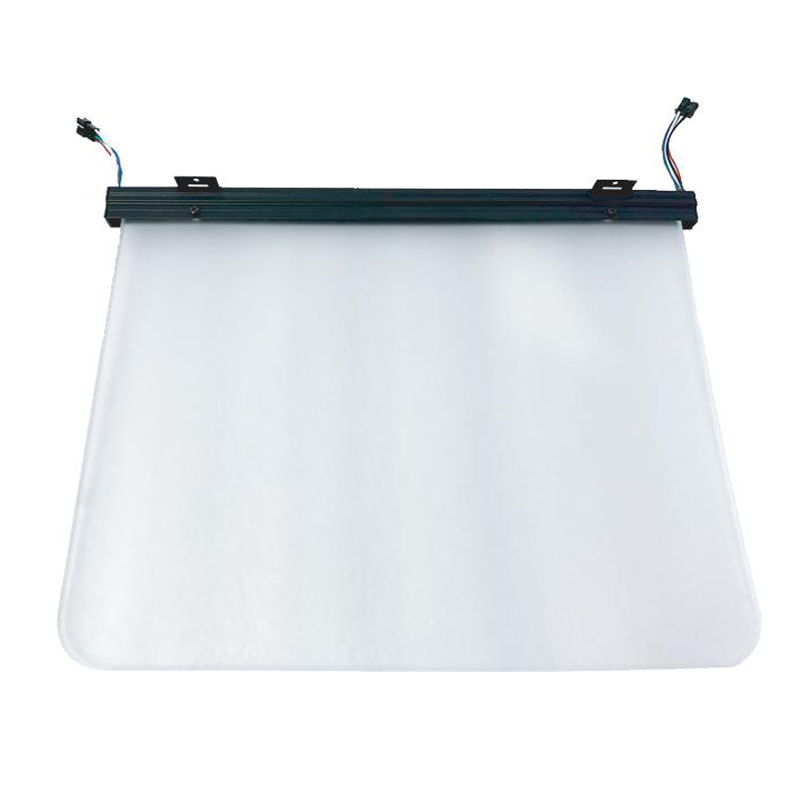
At the fixture layer, high-density LED arrays, acrylic light guide panels, and 3D matrix systems provide the raw luminous output. Modern LED technology achieves luminous efficacy above 180 lumens per watt, enabling dramatic visual impact at minimal energy cost. Color rendering index values consistently above 95 CRI ensure that digital artworks and technological exhibits are presented with absolute chromatic fidelity.
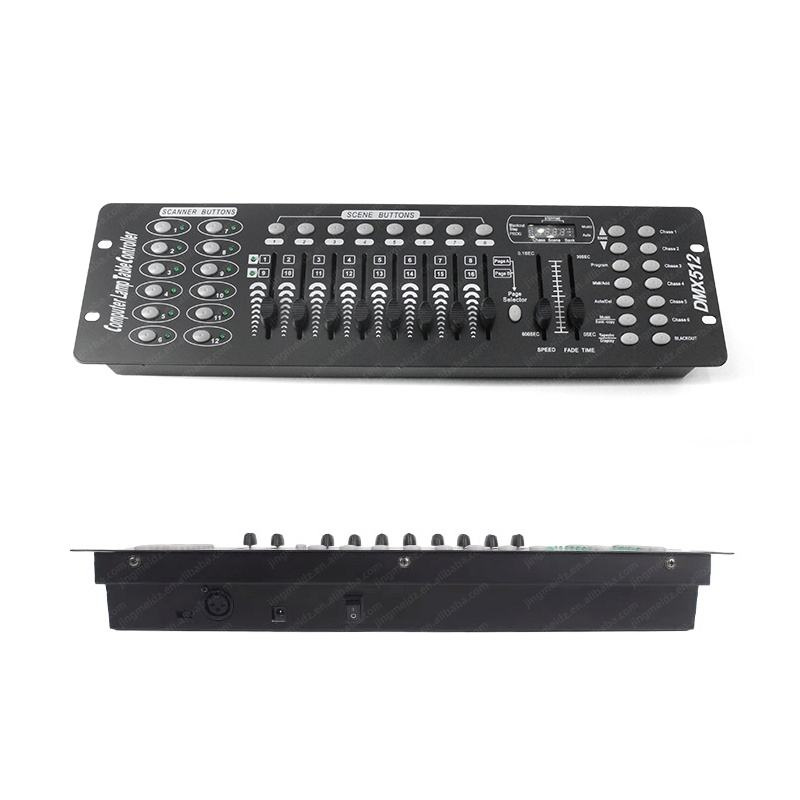
The control layer — anchored by DMX 512 consoles and advanced programmable controllers — translates creative vision into precise electronic instructions. With support for 2048 channels or more, these systems provide granular per-fixture programming, scene memory, and real-time show control capabilities that rival professional theater lighting installations.
The Commercial Future of Gallery & Exhibition Lighting
Market analysts project that the immersive experience venue sector will exceed $35 billion globally by 2028, with innovation lighting technology representing one of the largest individual cost centers and value differentiators within that market. The proliferation of location-based entertainment, brand experience centers, and interactive museum installations is creating sustained demand for more sophisticated, reliable, and easily programmable lighting solutions.
Emerging technologies including LiDAR-based spatial mapping, real-time 3D rendering engines synchronized with live lighting data, and augmented reality overlays layered onto physical lighting effects are beginning to enter commercial deployment. Early-adopter galleries and technology exhibition venues that invest in scalable, protocol-agnostic lighting infrastructure today will be positioned to seamlessly integrate these emerging technologies as they mature.
For manufacturers and system integrators in the innovation lighting sector, the critical competitive advantages are converging around three axes: ecosystem interoperability, software sophistication, and manufacturing excellence. Our organization has invested deeply in all three, delivering solutions that meet the exacting demands of the world's most ambitious immersive environments.
High Quality of The Product
With an excellent management group and technical group, the company will make efforts to increase R & D investment in order to ensure the high quality of the product for clients. Our company's vision is: SINCERE, PROFESSIONAL, INNOVATION.
Every lighting fixture, control console, and integrated system we manufacture undergoes rigorous quality assurance testing under real-world gallery and exhibition conditions. Our R&D team continuously incorporates the latest advancements in LED chip technology, thermal management engineering, and wireless control protocols to ensure our products remain at the forefront of innovation lighting for immersive digital environments.
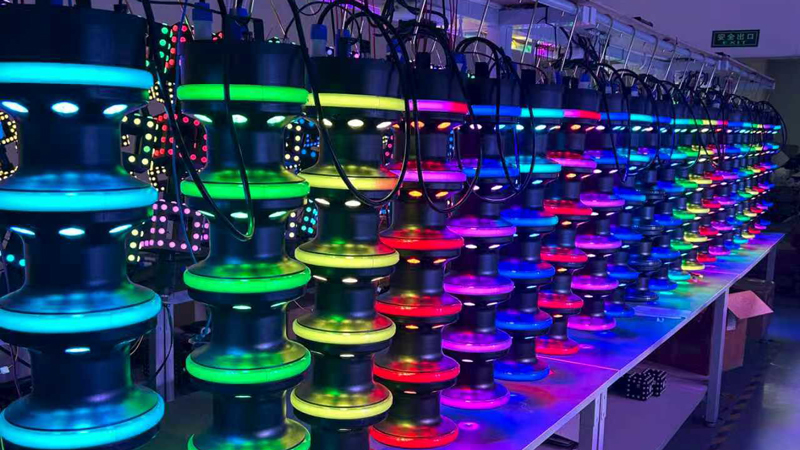
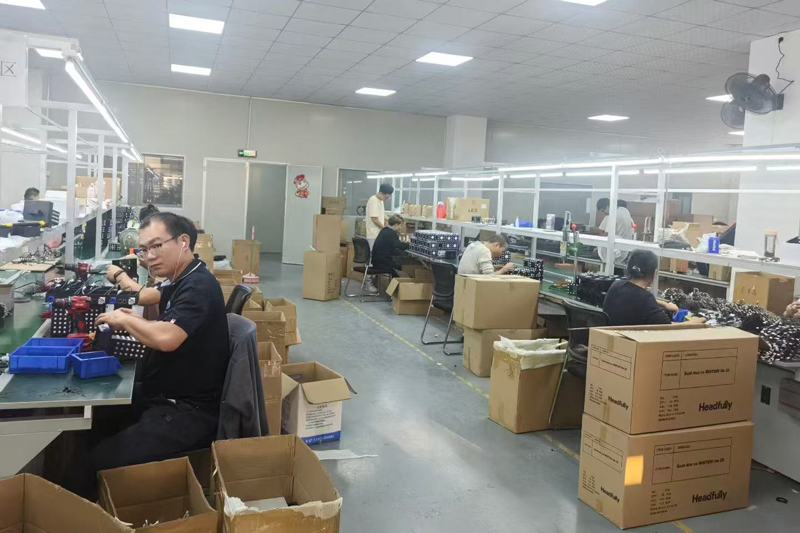
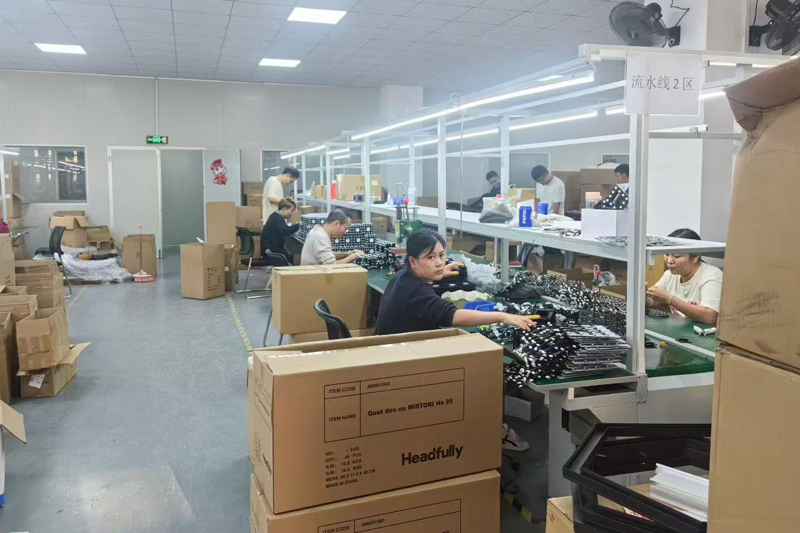
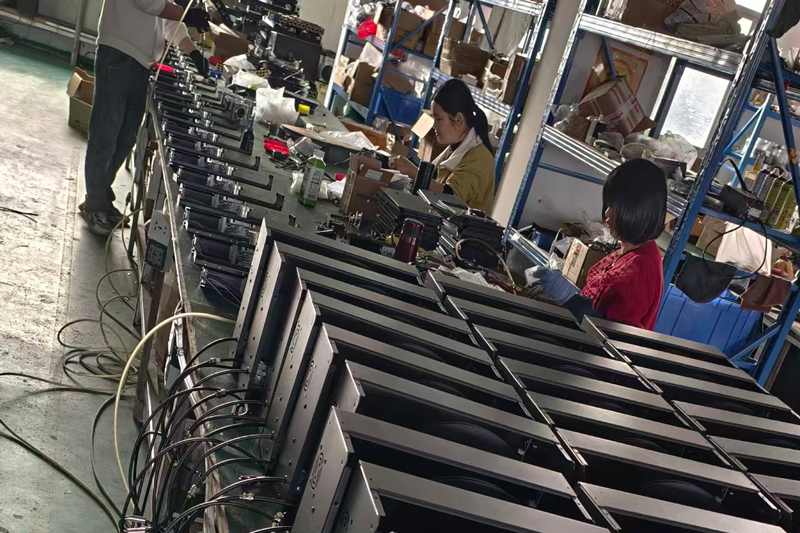
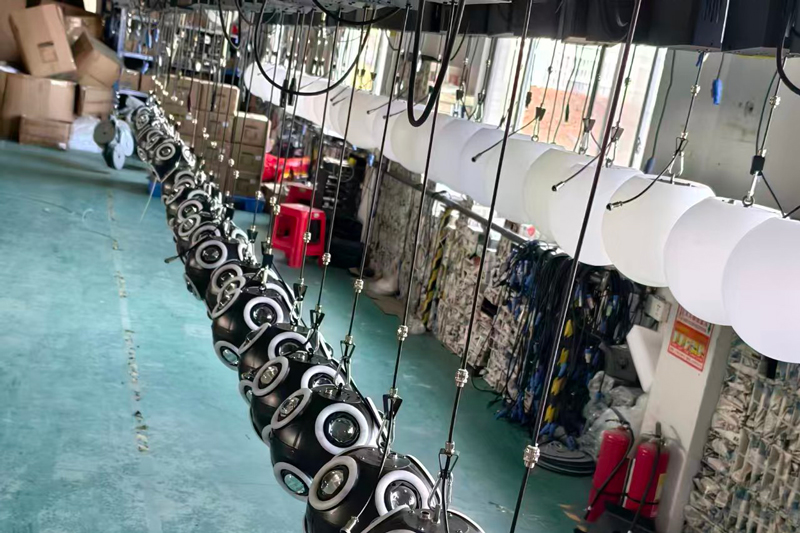
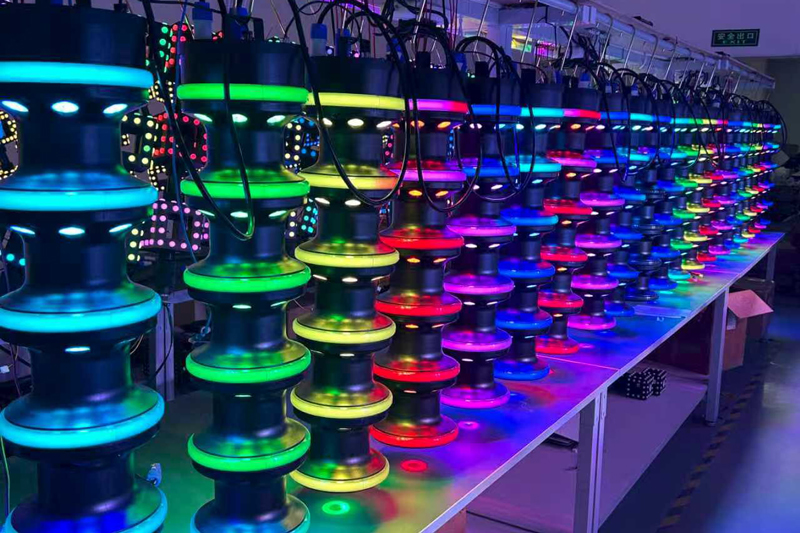
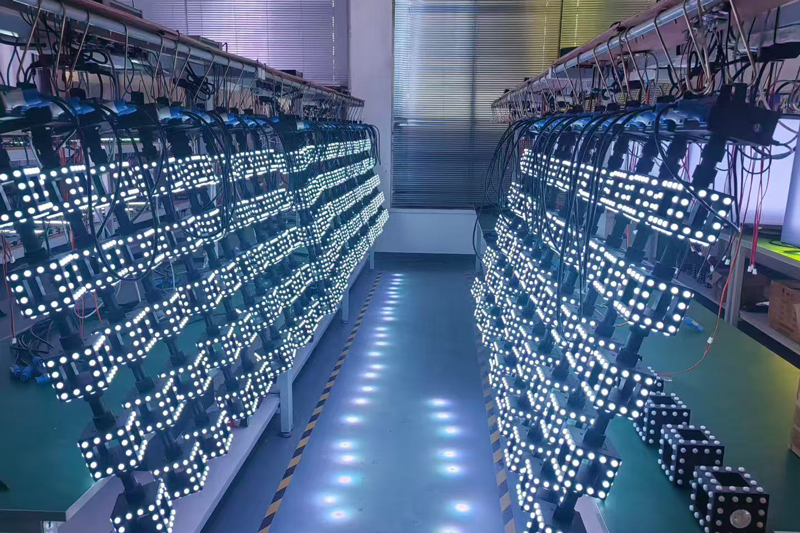
Factory Tour
State-of-the-art manufacturing facilities equipped with precision assembly lines, rigorous quality control processes, and advanced R&D laboratories dedicated to next-generation exhibition lighting technology.
Complete Innovation Lighting Solutions for Galleries & Exhibitions
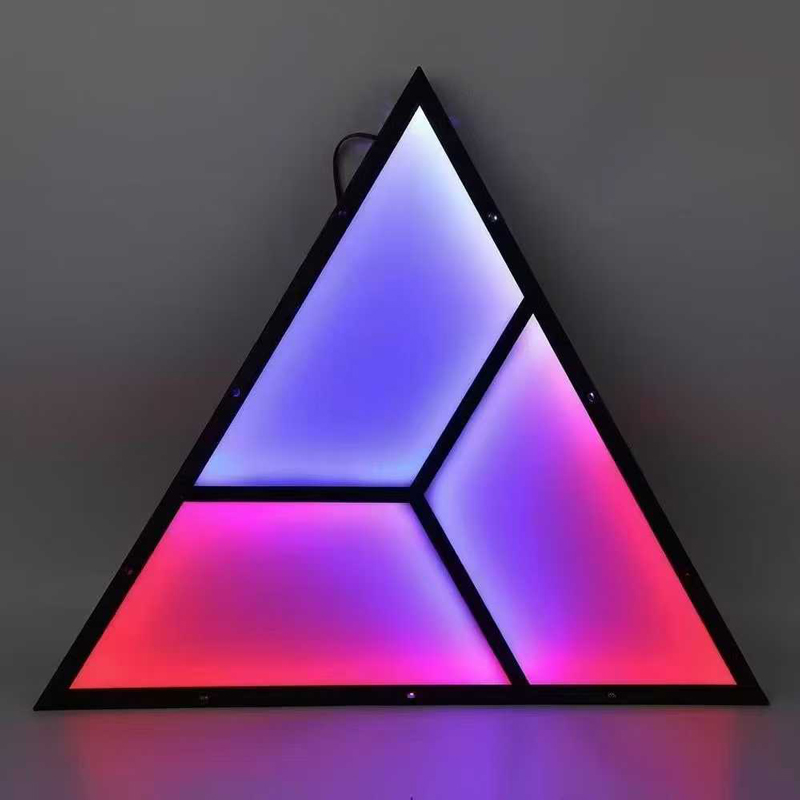
Comprehensive lighting systems engineered for the full spectrum of immersive digital art gallery and technological exhibition applications.


-
CONTACT WHATSAPP
-


-
CONTACT WECHAT
-


-
CONTACT ADDRESS
 Huafafengshang, Doumen District, Zhuhai, Guangdong, China
 -
 Huafafengshang, Doumen District, Zhuhai, Guangdong, China
 -
CONTACT NUMBER
-


-
CONTACT E-MAIL
-

