
Featured Event Lighting Products For Architectural & Entertainment Projects
Precision-engineered lighting solutions for immersive spatial experiences
Event Lighting in Architectural Design: Industry Overview & Commercial Landscape
Event lighting has evolved from a simple functional requirement into one of the most strategically significant disciplines within architectural design and entertainment project engineering. Today, the global event lighting market is valued at over USD 8.4 billion and is projected to exceed USD 15 billion by 2030, driven by explosive growth in live entertainment, immersive hospitality, smart city infrastructure, and experiential retail. Architects, lighting designers, and entertainment engineers are increasingly collaborating to deploy sophisticated LED and DMX-based systems that redefine how spaces communicate emotion, brand identity, and narrative.
The commercial landscape is shaped by several powerful forces. First, the proliferation of mega-venues — sports arenas, concert halls, convention centers, mixed-use urban developments — has created enormous demand for scalable, programmable lighting infrastructure. Second, the rise of the experience economy has transformed venues such as nightclubs, themed restaurants, luxury hotels, and retail flagships into destinations that compete on the quality of their visual atmosphere. Third, sustainability mandates and energy regulations across the EU, North America, and Asia-Pacific are accelerating the replacement of legacy halogen and fluorescent systems with high-efficiency LED solutions capable of delivering dramatic visual impact at a fraction of the energy consumption.
"The convergence of LED efficiency, DMX512 control protocols, and real-time data integration has fundamentally transformed event lighting from a cost center into a revenue-generating architectural asset — enabling venues to charge premium rates for programmable, immersive environments."
From an industrial standpoint, the manufacturing base for professional event lighting has consolidated around specialized factories in Guangdong and Zhejiang provinces of China, which together account for approximately 65% of global LED fixture production. These facilities have invested heavily in R&D, bringing to market innovations such as pixel-addressable LED arrays, wireless DMX receivers, kinetic lifting systems, and multi-axis rotating mirror elements that were previously exclusive to broadcast and touring productions but are now accessible to architectural and permanent-installation markets.
Development Trends Shaping Event Lighting Engineering
The trajectory of event lighting technology is being shaped by several converging trends that every architect, project engineer, and venue owner must understand to remain competitive.
1. Intelligent Automation & AI-Driven Programming: Modern DMX and Art-Net control platforms now integrate with artificial intelligence engines that can auto-generate lighting cues synchronized to audio BPM, ambient sensor readings, crowd density data, and even social media sentiment. This enables venues to deliver dynamic, personalized lighting experiences without manual operator intervention, reducing labor costs while increasing spectator engagement.
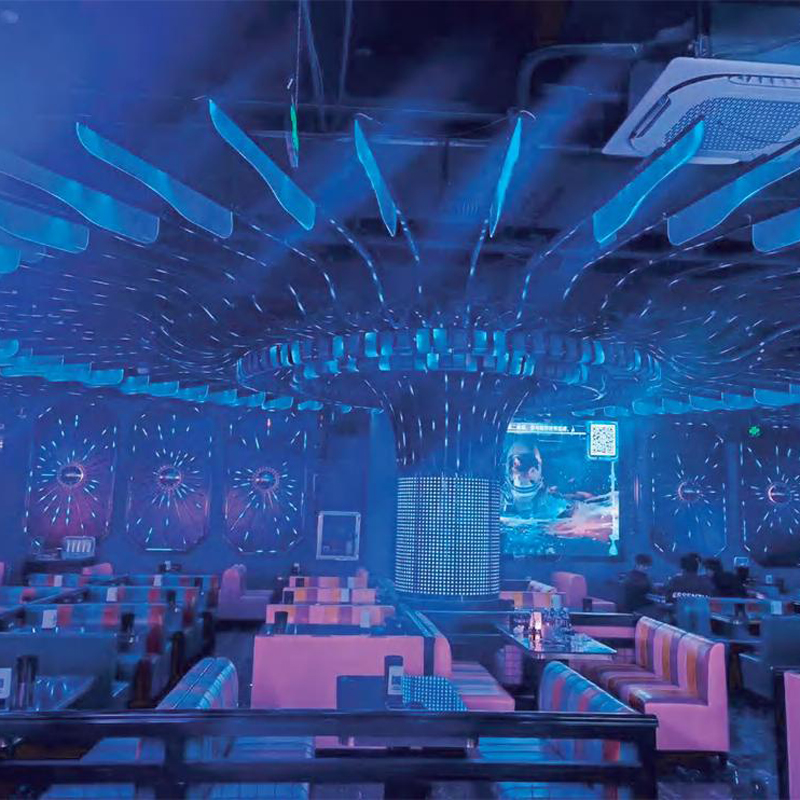
2. Kinetic Architecture Integration: One of the most exciting developments in event lighting engineering is the fusion of mechanical movement with LED illumination. Kinetic lighting systems — featuring motorized lifting mechanisms, rotating elements, and programmable trajectory control — allow architects to design ceilings, facades, and interior volumes that physically transform in real time. These systems are increasingly specified in high-profile projects including casino resorts, luxury retail atriums, and performing arts centers.
3. Pixel Mapping & Immersive LED Environments: The cost per LED pixel has fallen by over 80% in the past decade, making large-scale pixel-mapped installations commercially viable for mid-tier venues. Pixel mapping transforms entire surfaces — walls, ceilings, floors, structural columns — into dynamic visual canvases that can display real-time content, respond to movement, or synchronize with live performances. The result is a seamless fusion of architecture and media that defines the next generation of entertainment design.
4. Wireless & IP-Based Control Networks: The transition from traditional DMX cabling to wireless and IP-based control protocols (sACN, ArtNet, RDM) is radically simplifying the infrastructure requirements for large-scale installations. Venue operators can now reconfigure entire lighting systems remotely, update firmware over-the-air, and integrate lighting with building management systems (BMS), AV systems, and IoT sensor networks through unified software platforms.
5. Sustainable Design & LEED Compliance: Environmental performance is no longer optional. Lighting designers working on LEED-certified, BREEAM-rated, or WELL Building Standard projects must demonstrate measurable reductions in energy consumption and light pollution. Modern event lighting manufacturers are responding with ultra-high-efficacy LED engines exceeding 200 lm/W, precision optics that eliminate spill light, and intelligent dimming systems that reduce consumption during off-peak periods automatically.
Key Technology Trends in Event & Architectural Lighting
Pixel LED Technology
Individually addressable RGB pixel arrays enable centimeter-level control over color, brightness, and animation across entire architectural surfaces, unlocking unlimited creative potential for immersive spatial design.
Kinetic Lighting Systems
Motorized lifting, rotation, and trajectory systems combine physical movement with LED illumination to create living architectural environments that transform in real time, captivating audiences and enhancing brand storytelling.
DMX & Wireless Control
Advanced DMX512, ArtNet, and sACN protocols deliver frame-perfect synchronization across thousands of fixtures simultaneously, while wireless infrastructure eliminates complex cabling and enables rapid venue reconfiguration.
Energy Efficiency
Next-generation LED engines deliver over 200 lm/W efficacy, enabling dramatic visual impact at radically lower energy consumption — critical for sustainable architectural projects targeting LEED or BREEAM certification.
AI-Driven Automation
Machine learning algorithms analyze crowd behavior, audio signals, and environmental data to automatically generate responsive lighting sequences, reducing operational complexity while delivering personalized visitor experiences.
BIM Integration
Building Information Modeling (BIM) workflows now encompass lighting design data, enabling architects and engineers to simulate, validate, and coordinate event lighting systems within the broader building design process from day one.
Deep Application Scenarios: Where Event Lighting Transforms Architecture
The application domains for professional event lighting in architectural and entertainment engineering contexts are extraordinarily diverse. Understanding the specific requirements, technical challenges, and commercial opportunities within each scenario is essential for designing systems that deliver lasting value.
Concert Halls & Live Music Venues
Professional concert environments demand lighting systems capable of delivering both high-intensity theatrical wash effects and precision-controlled pixel animations synchronized to live audio. DMX-controlled kinetic fixtures and pixel-mapped LED arrays are increasingly specified as permanent architectural elements, replacing touring rigs with installation-grade systems that serve both performance and ambient functions.
Luxury Hospitality & Resort Design
Five-star hotels and resort properties use architectural event lighting as a primary differentiator in the luxury hospitality market. Programmable LED installations in lobbies, ballrooms, pool areas, and facade elements create signature visual identities that are inseparable from the brand experience. Dynamic lighting scenes that transition from day to evening modes are now standard specifications in high-end hospitality projects globally.
Entertainment Complexes & Casino Resorts
Casino and entertainment resort environments represent the highest-specification segment of the event lighting market. These projects routinely deploy thousands of individually controlled LED fixtures across gaming floors, restaurants, nightclubs, and theaters, with centralized show control systems managing complex multi-zone lighting programs that shift continuously throughout the 24-hour operating cycle.
Experiential Retail & Brand Installations
Leading global brands now invest significantly in event-quality lighting for flagship retail environments, pop-up installations, and product launch experiences. Pixel LED systems, 3D sculptural light elements, and interactive kinetic installations generate social media content organically, extending the marketing reach of physical spaces far beyond their four walls through user-generated content sharing.
Sports Arenas & Multi-Purpose Venues
Modern sports arenas are designed from inception as multi-purpose entertainment venues capable of hosting concerts, award ceremonies, corporate events, and esports tournaments in addition to sporting fixtures. This multi-use requirement demands flexible, high-output LED lighting infrastructure that can be rapidly reprogrammed between vastly different event formats while meeting broadcast-quality color rendering requirements.
Urban Architectural Facades & Smart City Projects
Smart city initiatives worldwide are deploying large-scale LED facade systems on landmark buildings, bridges, public plazas, and cultural institutions. These permanent architectural lighting installations serve as canvases for public art programs, civic celebrations, and media-art events, creating iconic visual landmarks that enhance urban identity and support tourism economies.
Wedding & Private Event Venues
The premium wedding and private events market has embraced architectural-grade LED lighting as an essential element of venue design. Venues equipped with permanent, programmable LED installations — including pixel canopies, dynamic wall washes, and interactive floor lighting — command significantly higher hire rates than conventionally lit competitors, delivering clear return on investment for the lighting infrastructure.
Theme Parks & Immersive Experiences
Theme park operators and immersive experience designers are among the most demanding users of event lighting technology, requiring fixtures that combine theatrical performance with long-term installation reliability in outdoor and heavily trafficked environments. Pixel LED systems, projection-lighting hybrids, and synchronized kinetic installations are fundamental tools in the creation of the layered sensory environments that define world-class attraction design.
Global Event Lighting Market At A Glance
Why Choose Us For Your Event Lighting & Architectural Project
Services
Offers professional design, 3D solutions, and marketing support for advertising projects.
Control Systems
We offer advanced lighting control systems that allow for seamless integration and precise control of all lighting fixtures.
Market
Serves over 30,000 companies, including Global 500s, and exports to 30+ countries.
Support
Provides 24h online service with our sales team, we are proficient in multiple languages.
High Quality of The Product
With an excellent management group and technical group, the company will make efforts to increase R & D investment in order to ensure the high quality of the product for clients. Our company's vision is: SINCERE, PROFESSIONAL, INNOVATION.
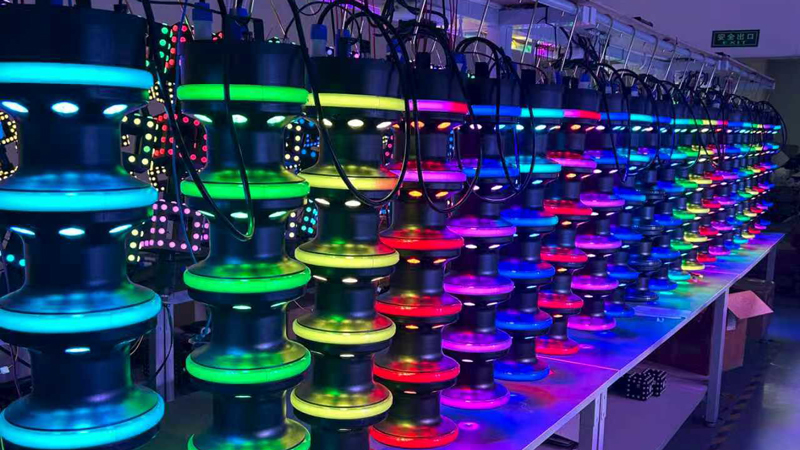
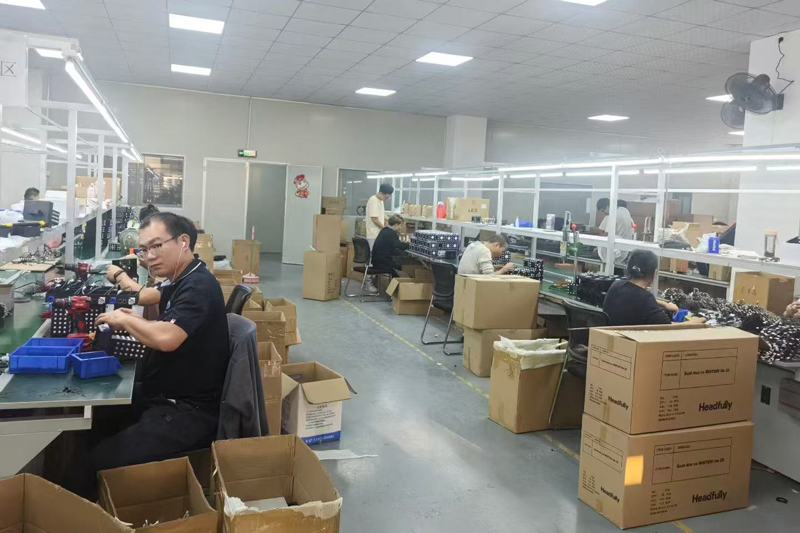
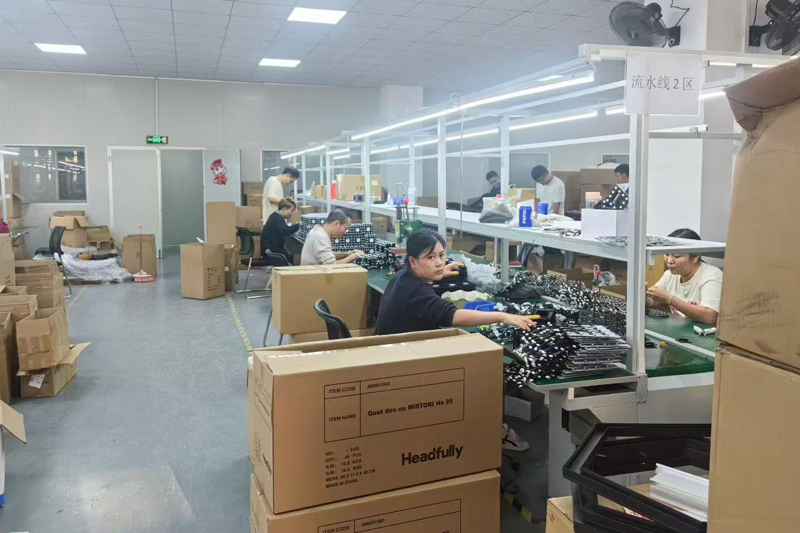
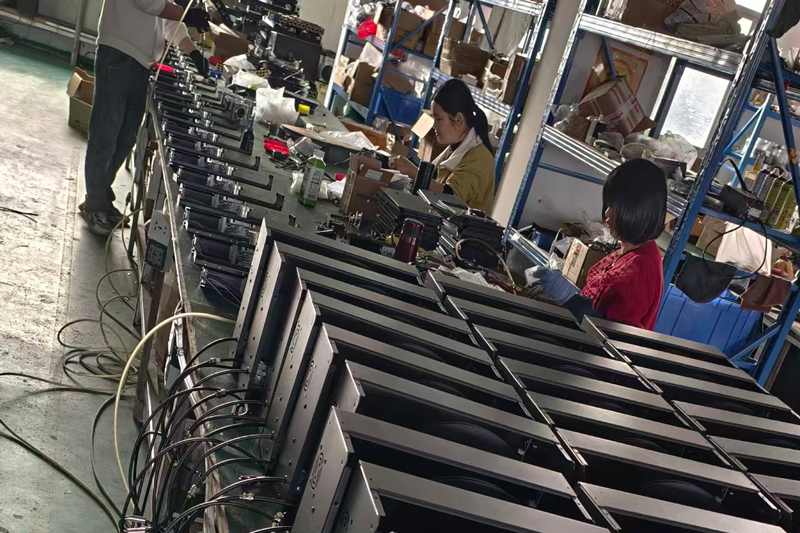
Factory Tour
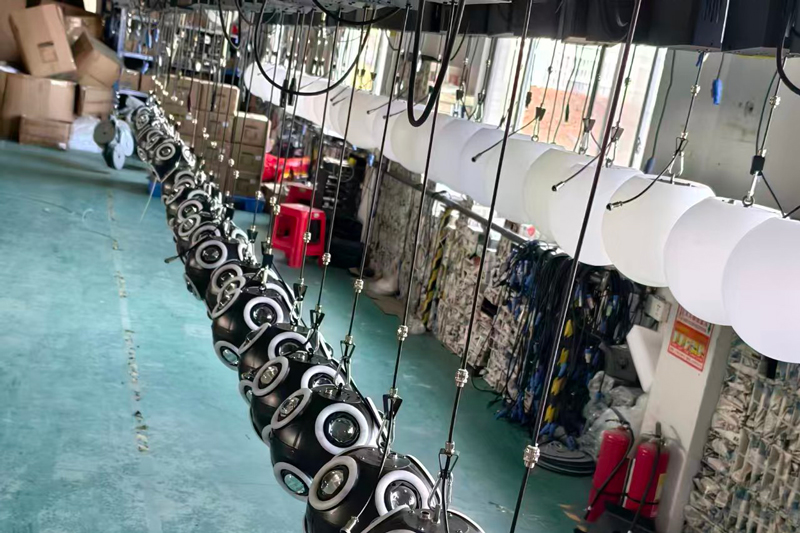
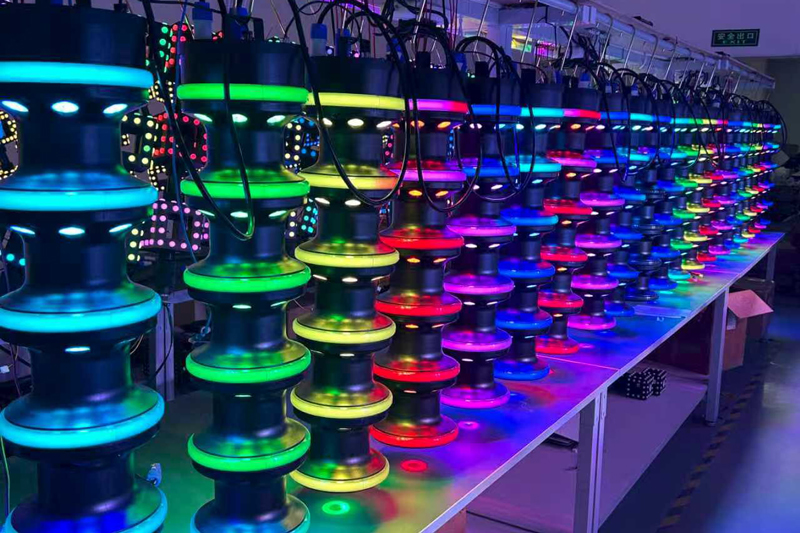
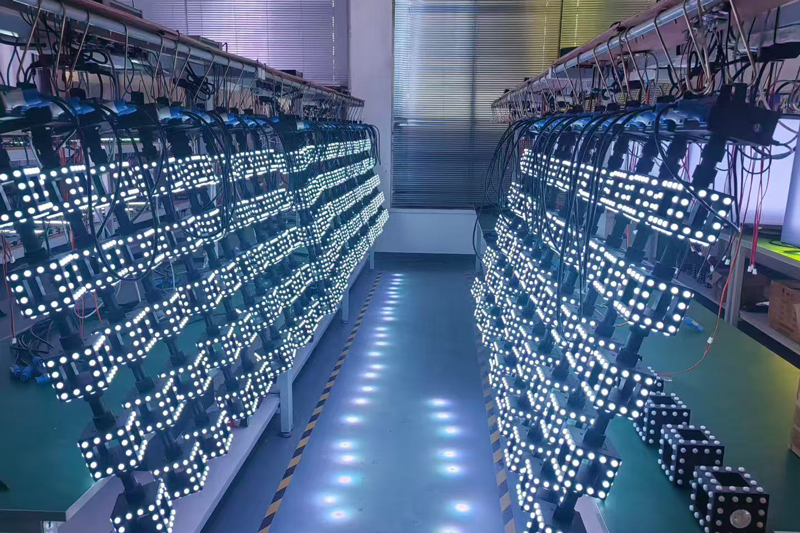
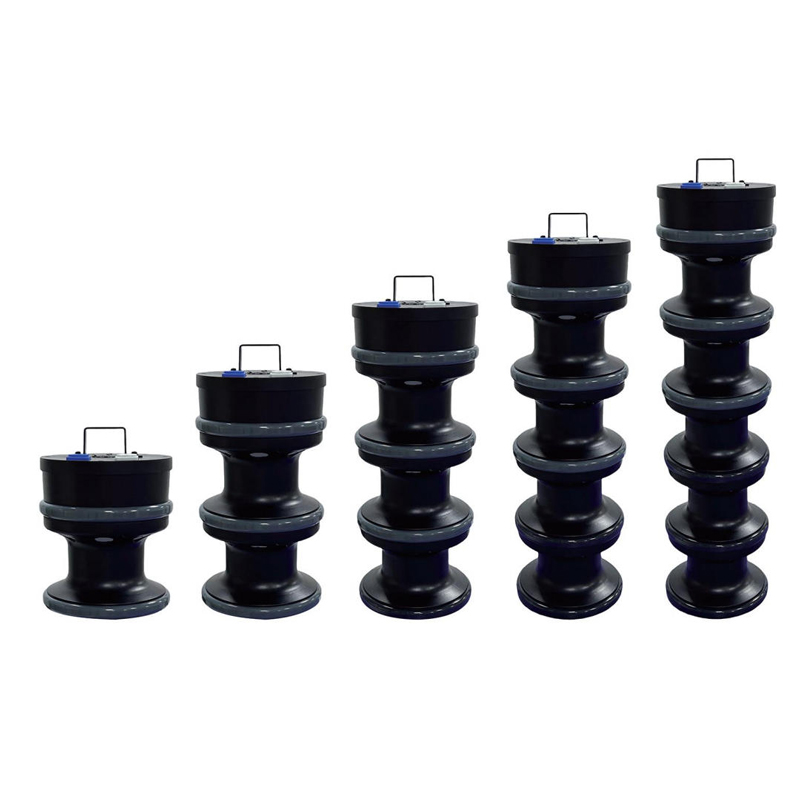
Complete Event Lighting Product Range For Architectural & Entertainment Projects
Full spectrum of professional LED lighting solutions for every venue type and project scale
-
CONTACT WHATSAPP
-


-
CONTACT WECHAT
-


-
CONTACT ADDRESS
 Huafafengshang, Doumen District, Zhuhai, Guangdong, China
 -
 Huafafengshang, Doumen District, Zhuhai, Guangdong, China
 -
CONTACT NUMBER
-


-
CONTACT E-MAIL
-

