
Featured Bar Lighting Solutions for Art & Museum Installations
Professional-grade bar lighting products engineered for modern art installations, interactive museum exhibitions, and immersive creative environments.
The Rise of Bar Lighting in Modern Art & Museum Environments
Bar lighting has evolved far beyond its origins in nightlife and entertainment venues. Today, it stands at the intersection of technology, design, and cultural expression — serving as a foundational element in modern art installations and interactive museum exhibitions worldwide. As curators, artists, and experience designers push the boundaries of what a gallery or museum can offer, intelligent bar lighting systems have become essential tools for creating dynamic, responsive, and emotionally resonant environments.
The global LED lighting market for cultural and entertainment venues is projected to exceed $12 billion USD by 2028, with museum and art installation segments accounting for the fastest-growing subsector — driven by demand for programmable, low-heat, and high-CRI bar lighting systems.
Commercial & Industrial Landscape of Bar Lighting
The commercial deployment of bar lighting in cultural institutions has accelerated dramatically over the past decade. Major art museums, science centers, and interactive experience venues now allocate significant portions of their infrastructure budgets to advanced LED bar lighting arrays. These systems offer unprecedented control over color temperature, intensity, beam angle, and dynamic sequencing — all critical factors in how visitors perceive and emotionally respond to exhibits.
From an industrial standpoint, manufacturers have responded to this demand by developing bar lighting units specifically optimized for exhibition environments. Key characteristics include high Color Rendering Index (CRI ≥ 95), flicker-free operation to protect artwork and visitor comfort, ultra-low UV and IR emission to preserve sensitive artifacts, and full DMX512 compatibility for integration with centralized show control systems.
Leading cultural institutions such as the Louvre Abu Dhabi, the National Museum of Qatar, and numerous contemporary art centers across Asia and Europe have adopted programmable LED bar lighting as a core component of their permanent and temporary exhibition infrastructure. This shift reflects a broader industry recognition that lighting is not merely functional — it is a medium of artistic expression in its own right.
Key Industry Drivers
- Visitor Experience Expectations: Modern museum-goers expect immersive, multi-sensory experiences. Bar lighting enables dynamic scene transitions, color storytelling, and responsive environments that elevate engagement.
- Energy Efficiency Mandates: Cultural institutions face increasing pressure to reduce carbon footprints. LED bar lighting consumes up to 80% less energy than traditional halogen or fluorescent systems.
- Digital Integration: The convergence of lighting with IoT platforms, AI-driven control systems, and interactive sensors has created entirely new categories of visitor experience.
- Architectural Flexibility: Bar form-factor fixtures integrate seamlessly into ceilings, walls, floor channels, and custom sculptural frameworks — offering designers maximum spatial flexibility.
- Global Expansion of Cultural Infrastructure: Emerging markets in Asia, the Middle East, and Latin America are investing heavily in world-class museums and cultural centers, creating substantial new demand for premium bar lighting solutions.
Development Trends: The Future of Bar Lighting in Cultural Spaces
Technological innovation is redefining what bar lighting can achieve in art and museum environments. Here are the defining trends shaping the next generation of installations.
AI-Driven Adaptive Lighting
Artificial intelligence algorithms now enable bar lighting systems to adapt in real time based on visitor density, time of day, ambient light levels, and even biometric feedback — creating truly personalized exhibition atmospheres.
Wireless DMX & IoT Control
Next-generation DMX512 and Art-Net wireless protocols allow curators and lighting designers to reconfigure entire exhibition lighting schemes remotely via cloud platforms, dramatically reducing setup time and operational costs.
Pixel-Mapped LED Arrays
High-density pixel-mapped bar lighting enables the creation of large-scale video canvases and generative art displays, transforming architectural surfaces into living, breathing visual narratives.
Human-Centric Lighting (HCL)
Museum operators are adopting circadian-rhythm-aware bar lighting that adjusts color temperature throughout the day to support visitor wellbeing and cognitive engagement — a growing requirement in exhibition design standards.
Modular & Scalable Architecture
Modern bar lighting systems are engineered with modular connectivity, enabling rapid reconfiguration for temporary exhibitions, touring shows, and pop-up installations without specialized technical labor.
Sustainable & Circular Design
Manufacturers are increasingly adopting recyclable materials, tool-free serviceability, and extended 50,000+ hour LED lifespans to meet the sustainability commitments of leading cultural institutions globally.
Deep Application Scenarios: Bar Lighting in Action
From immersive art environments to interactive science exhibits, bar lighting systems are deployed across a rich spectrum of cultural and creative applications.
🎨 Immersive Art Installation Environments
Large-scale immersive art installations — such as those by teamLab, Refik Anadol, and similar digital art collectives — rely on precisely programmed LED bar lighting arrays to create seamless floor-to-ceiling light environments. DMX-controlled bar fixtures provide the millisecond-accurate synchronization required for generative visual content that responds to visitor movement and interaction, creating living artworks that exist in continuous transformation.
🏭 Interactive Science & Technology Museums
Science museums utilize bar lighting to dramatize exhibit narratives — from simulating the electromagnetic spectrum in physics galleries to recreating bioluminescent ocean environments in natural history displays. Interactive bar lighting systems that respond to touch panels, motion sensors, and voice commands transform passive observation into participatory discovery, significantly increasing dwell time and educational retention rates.
🏛 Architectural & Heritage Site Illumination
Historic museums and heritage sites employ high-CRI bar lighting to reveal the true chromatic richness of ancient artifacts, textiles, and paintings without the damaging UV and IR radiation of traditional sources. Programmable color temperature adjustment allows conservators to optimize viewing conditions for different material types, while dynamic lighting sequences create dramatic reveal moments during guided tours and special events.
🌟 Temporary Exhibition & Touring Show Production
The global touring exhibition industry — encompassing blockbuster art shows, branded experience activations, and cultural exchange programs — demands bar lighting systems that combine theatrical impact with rapid deployment capability. Wireless DMX bar fixtures with pre-programmed show files enable production teams to recreate complex lighting environments in multiple venues with minimal technical resources, ensuring consistent visitor experiences across international tour stops.
🏠 Corporate & Brand Experience Centers
Forward-thinking corporations are investing in museum-quality experience centers that showcase their innovation stories through immersive environments. Bar lighting plays a central role in these spaces, with dynamic color-changing arrays used to transition between brand narratives, product showcases, and interactive demonstration zones. The result is a compelling fusion of marketing communication and artistic experience design.
🎶 Performing Arts & Live Event Integration
Contemporary performing arts venues increasingly blur the boundaries between theatrical production and gallery installation. Bar lighting systems that bridge DMX stage control with museum-grade color accuracy enable directors and lighting designers to create productions where the architectural environment itself becomes a performer — responding to musical cues, narrative moments, and audience energy in real time.
Bar Lighting Industry By The Numbers
Why Professional DMX Bar Lighting is Non-Negotiable for Exhibition Design
Professional exhibition designers and museum lighting consultants consistently emphasize that the quality of bar lighting directly determines the perceived quality of the exhibition itself. Substandard lighting — whether through poor color rendering, visible flicker, uneven beam distribution, or limited programmability — undermines even the most compelling curatorial concepts and artwork selections.
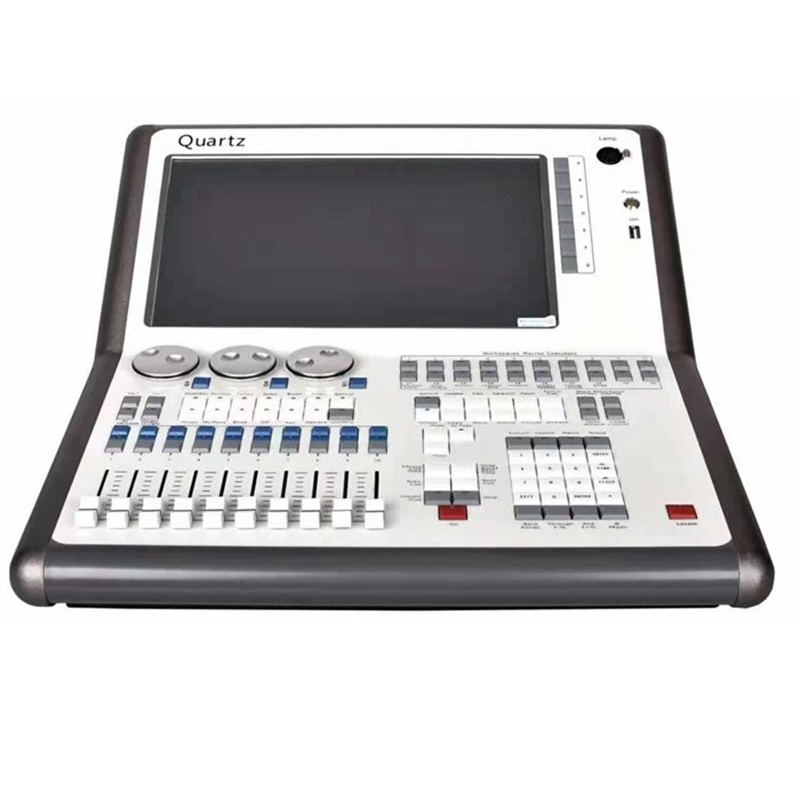
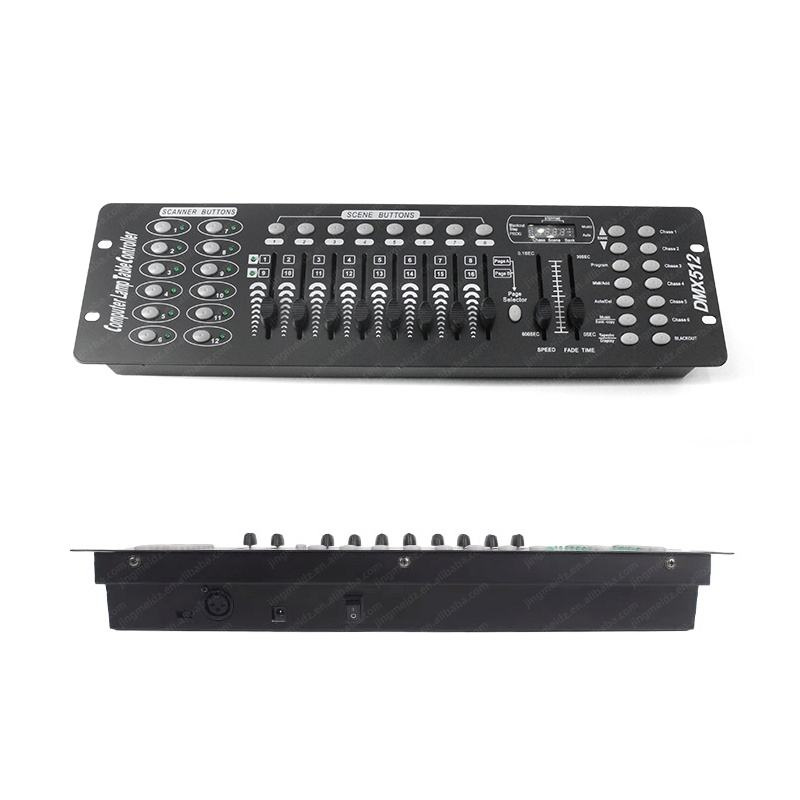
DMX512-controlled bar lighting systems provide the precision and flexibility that professional exhibition environments demand. With 512 individually addressable channels per universe and the ability to daisy-chain multiple universes for large-scale installations, DMX bar lighting delivers granular control over every aspect of the light environment. Advanced consoles with 2048-channel capacity allow lighting designers to program complex, multi-scene show files that can be triggered manually, on schedule, or via interactive sensor inputs.
Pro Insight: The integration of bar lighting with real-time data feeds — visitor analytics, social media sentiment, weather data, and live performance inputs — represents the cutting edge of interactive museum exhibition design. These "responsive environments" create unique experiences for every visitor, maximizing engagement and driving repeat visitation.
Selecting the Right Bar Lighting System for Your Installation
Choosing the appropriate bar lighting configuration for a museum or art installation project requires careful consideration of several technical and aesthetic parameters. Color rendering index (CRI) should be a minimum of 90 for fine art applications, with CRI 95+ recommended for textile, painting, and heritage artifact display. Color temperature range should span from warm 2700K for intimate gallery spaces to cool 6500K for contemporary and technology-focused exhibitions.
Beam angle selection is equally critical — narrow spot bars (8–15°) create dramatic accent lighting and artifact highlighting, medium flood bars (25–40°) provide general exhibition illumination, and wide flood configurations (60°+) are ideal for architectural wash applications and immersive environment creation. For interactive installations, ensure your bar lighting system supports bidirectional communication protocols that enable sensor-triggered responses and real-time parameter adjustment from show control software.
Power and connectivity infrastructure must be planned from the earliest stages of exhibition design. PoE (Power over Ethernet) bar lighting systems are increasingly popular in museum environments due to their simplified wiring requirements and integration with building management systems. Traditional 5-pin XLR DMX connectivity remains the industry standard for theatrical and touring applications where reliability and compatibility with existing console infrastructure are paramount.
Why Choose Us for Your Bar Lighting Projects
We combine engineering excellence, global market experience, and dedicated client support to deliver bar lighting solutions that exceed the demands of the world's most ambitious art and museum projects.
Professional Services
Offers professional design, 3D solutions, and marketing support for advertising projects. Our team of lighting engineers and exhibition designers provides end-to-end project support from concept to commissioning.
Advanced Control Systems
We offer advanced lighting control systems that allow for seamless integration and precise control of all lighting fixtures. Full DMX512, Art-Net, and sACN protocol support ensures compatibility with all major show control platforms.
Global Market Reach
Serves over 30,000 companies, including Global 500s, and exports to 30+ countries. Our international distribution network ensures reliable supply chain and local technical support for projects worldwide.
24/7 Expert Support
Provides 24h online service with our sales team, we are proficient in multiple languages. Dedicated technical support specialists are available around the clock to assist with installation, programming, and troubleshooting.
High Quality of The Product
With an excellent management group and technical group, the company will make efforts to increase R & D investment in order to ensure the high quality of the product for clients. Our company's vision is: SINCERE, PROFESSIONAL, INNOVATION.
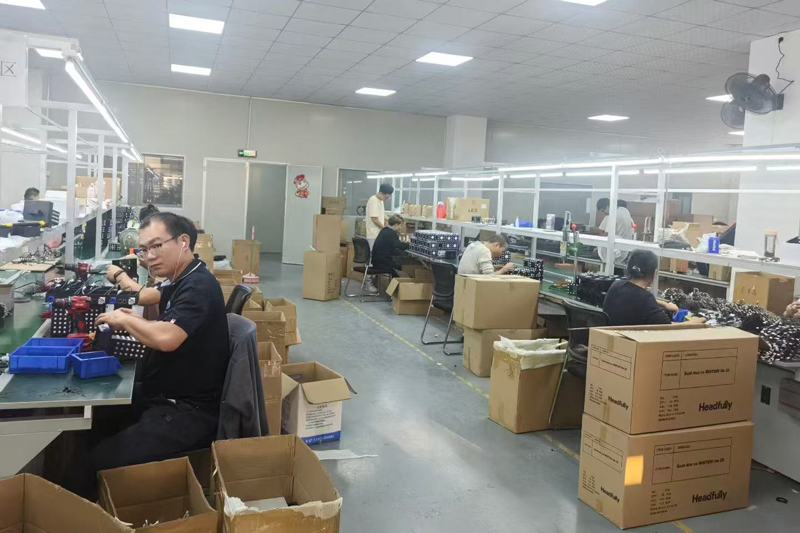
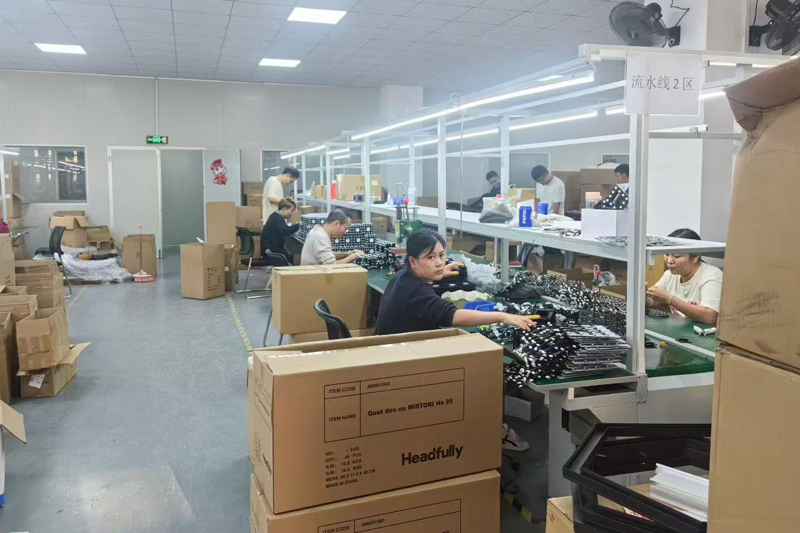
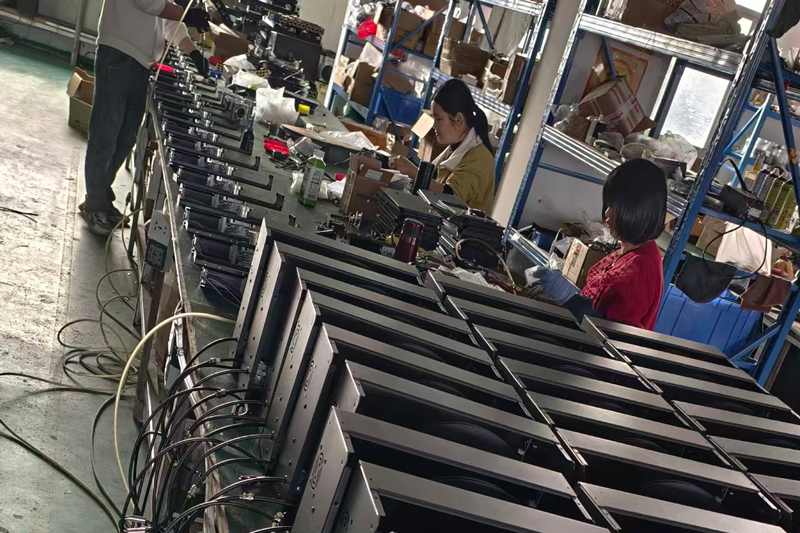
Every bar lighting product we manufacture undergoes rigorous multi-stage quality control processes — from component-level inspection through final photometric testing and DMX protocol verification. Our ISO-certified production facilities utilize state-of-the-art automated assembly lines and precision optical measurement equipment to ensure consistent performance across every unit.
We invest continuously in research and development partnerships with leading universities and lighting technology institutes, ensuring that our bar lighting solutions remain at the forefront of innovation in color science, driver electronics, thermal management, and intelligent control integration.
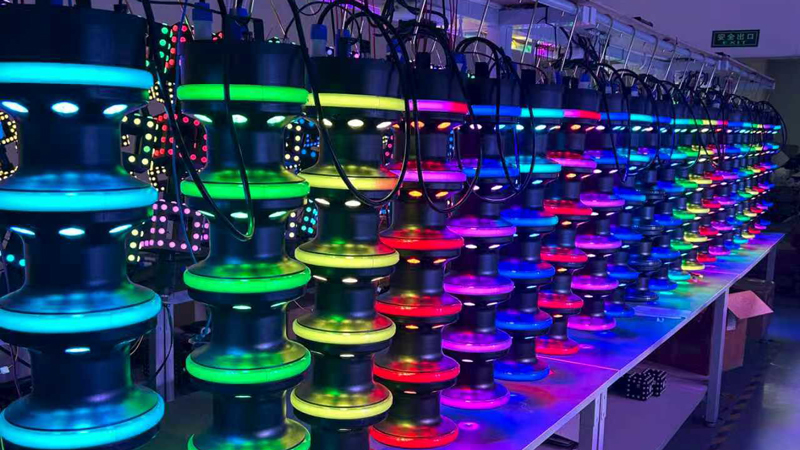
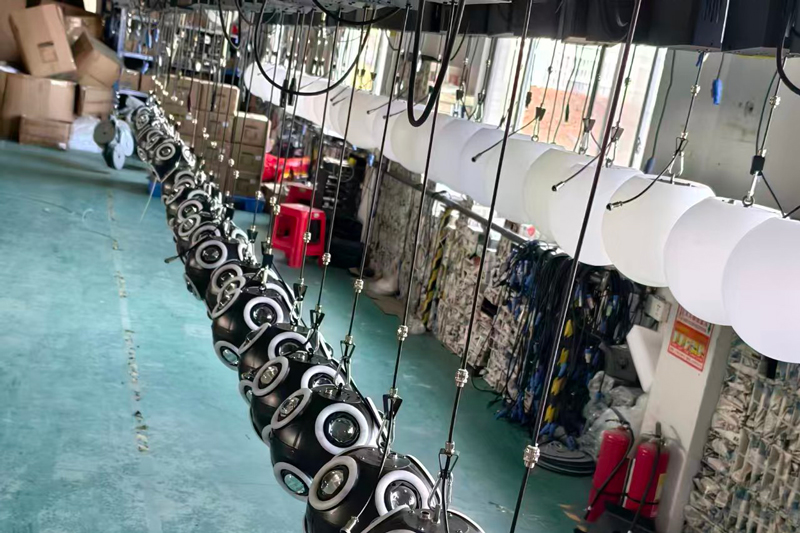
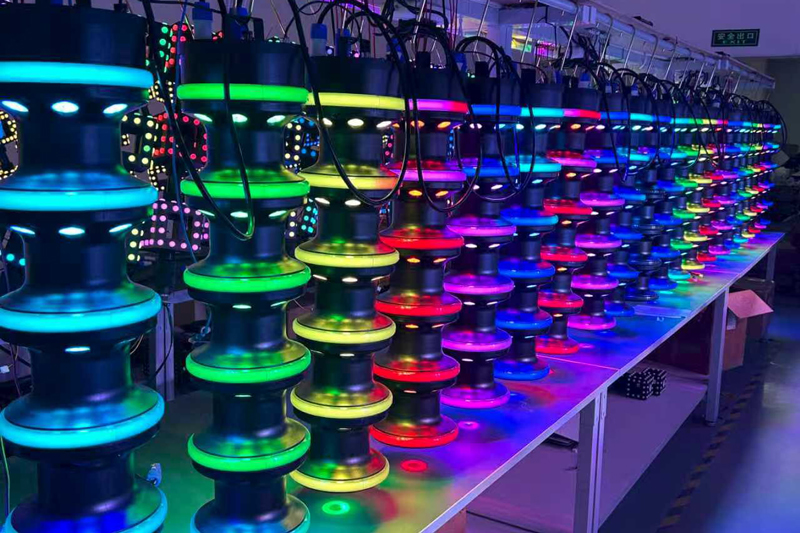
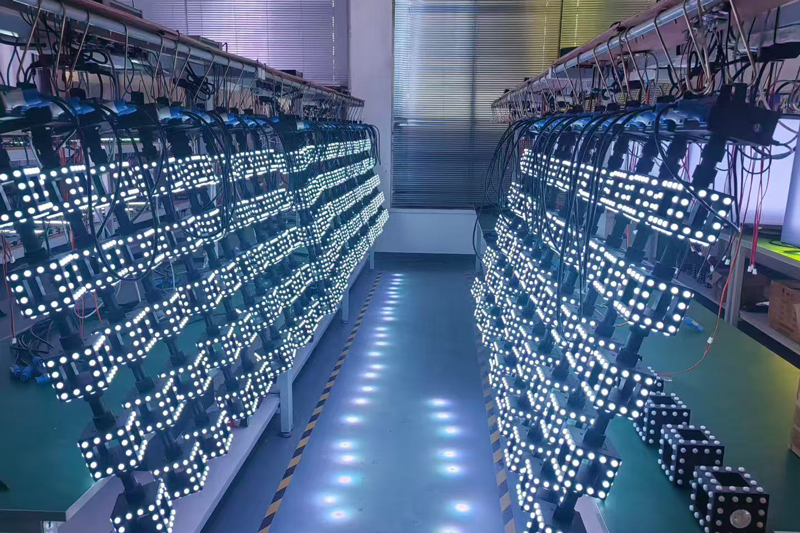
Factory Tour
Our state-of-the-art manufacturing facility combines precision engineering with advanced quality assurance systems to produce bar lighting solutions trusted by museums and art institutions worldwide.
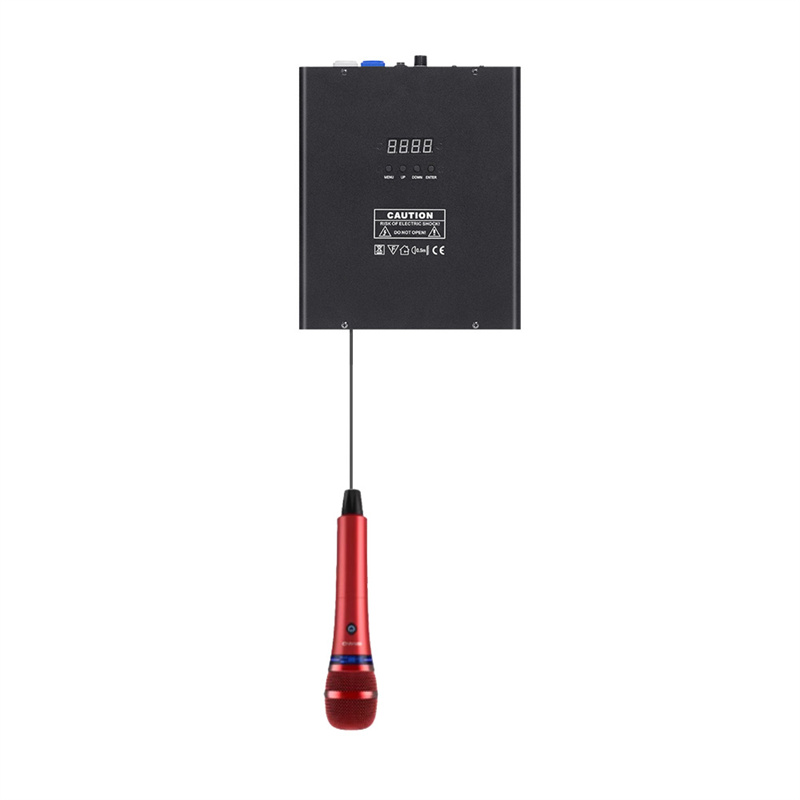
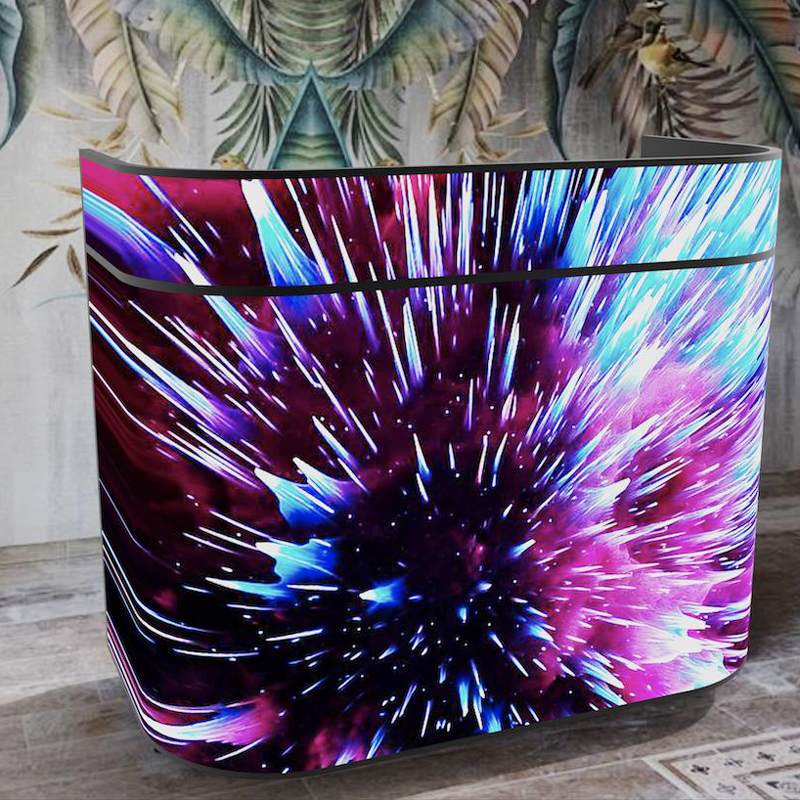
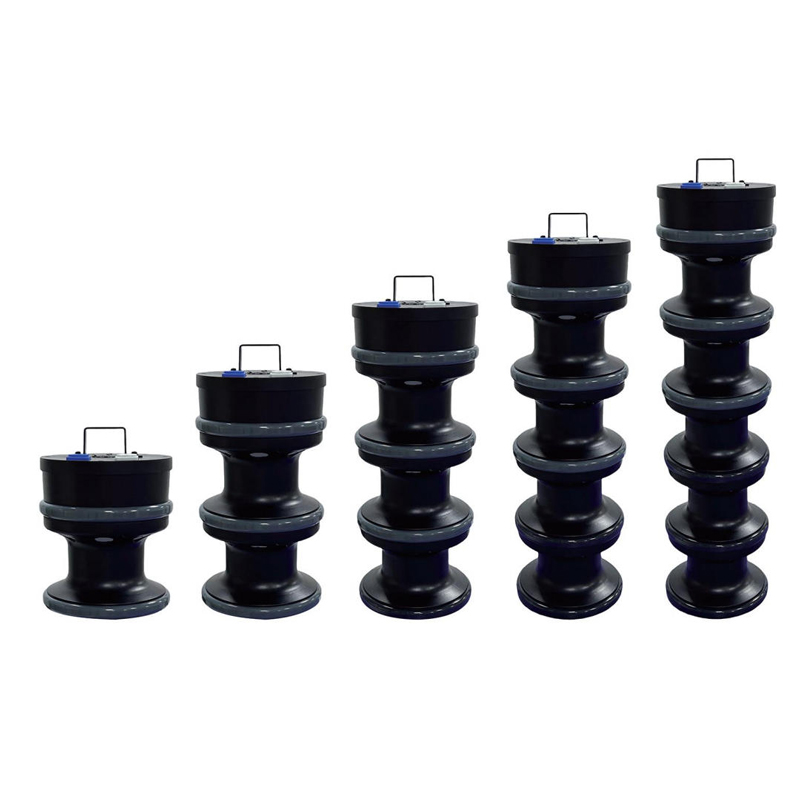
Complete Bar Lighting Product Range for Art & Museum Applications
Explore our full portfolio of professional bar lighting and control solutions — engineered for the most demanding modern art installations and interactive museum exhibition environments.
-
CONTACT WHATSAPP
-


-
CONTACT WECHAT
-


-
CONTACT ADDRESS
 Huafafengshang, Doumen District, Zhuhai, Guangdong, China
 -
 Huafafengshang, Doumen District, Zhuhai, Guangdong, China
 -
CONTACT NUMBER
-


-
CONTACT E-MAIL
-

