
Featured Bar Lighting Systems For Digital Art Galleries
Explore our professionally engineered bar lighting solutions, purpose-built for immersive digital art environments and cutting-edge technology exhibitions worldwide.
Bar Lighting: The Cornerstone of Immersive Digital Art Galleries and Tech Exhibitions
A comprehensive exploration of the industry landscape, innovation trends, and transformative applications shaping the future of experiential illumination.
The global experiential events and digital art industry has undergone a profound transformation over the last decade. From static gallery displays to fully immersive, sensor-reactive spatial environments, the demands placed upon lighting infrastructure have never been more sophisticated. At the heart of this revolution sits bar lighting — a category of linear, programmable luminaires that has emerged as the de facto standard for creating layered, dynamic, and narratively rich light environments across digital art galleries, technology expos, brand activations, and permanent museum installations.
Bar lighting systems are no longer mere support tools. In modern immersive contexts, they function as primary storytelling instruments. When choreographed through intelligent DMX control platforms, arrays of RGB and RGBW bar lights can paint entire architectural volumes with shifting color gradients, pulse in synchronization with generative audio-visual content, and respond in real-time to visitor movement — creating a living, breathing environment that audience members do not simply observe but actively inhabit.
Commercial and Industrial Landscape
The commercial market for professional bar lighting in immersive environments has expanded dramatically. Industry analysts project the global entertainment lighting market to surpass $11 billion USD by 2030, with immersive experience venues and technology exhibitions representing one of the fastest-growing end-use segments. This growth is driven by three converging forces: the proliferation of digital art as a mainstream cultural product, the aggressive expansion of technology brand experience centers, and the post-pandemic resurgence of live experiential events as a premium consumer category.
From a supply chain perspective, the manufacturing ecosystem for professional bar lighting has matured significantly. Leading manufacturers now maintain vertically integrated production facilities encompassing LED chip sourcing, PCB assembly, optical lens fabrication, aluminum extrusion, and firmware development under a single roof. This integration enables tighter quality control tolerances and faster product iteration cycles — critical capabilities in a market where customer project timelines are frequently compressed and technical specifications evolve rapidly between design and delivery phases.
The B2B procurement model for bar lighting in institutional contexts — including permanent gallery installations and corporate technology showcase centers — typically involves a multi-stage tender process. Procurement teams evaluate suppliers across criteria including CRI (Color Rendering Index) performance, DMX channel resolution, flicker-free operation at high frame rates (essential for video-recorded environments), thermal management efficiency, and total-cost-of-ownership projections across a 5-7 year operational horizon.
Development Trends Shaping the Industry
Several powerful macro-trends are reshaping the design and deployment of bar lighting within immersive digital art and technology exhibition contexts.
IP Control and Art-Net Integration: The shift from traditional DMX-only architectures to Ethernet-based Art-Net and sACN protocols has dramatically expanded the scalability of bar lighting installations. Modern technology exhibition venues routinely deploy hundreds to thousands of individually addressable bar light fixtures across complex multi-room spatial configurations, all managed through centralized media server platforms. This networked approach enables real-time show synchronization with a level of precision and flexibility simply not achievable through legacy analog control systems.
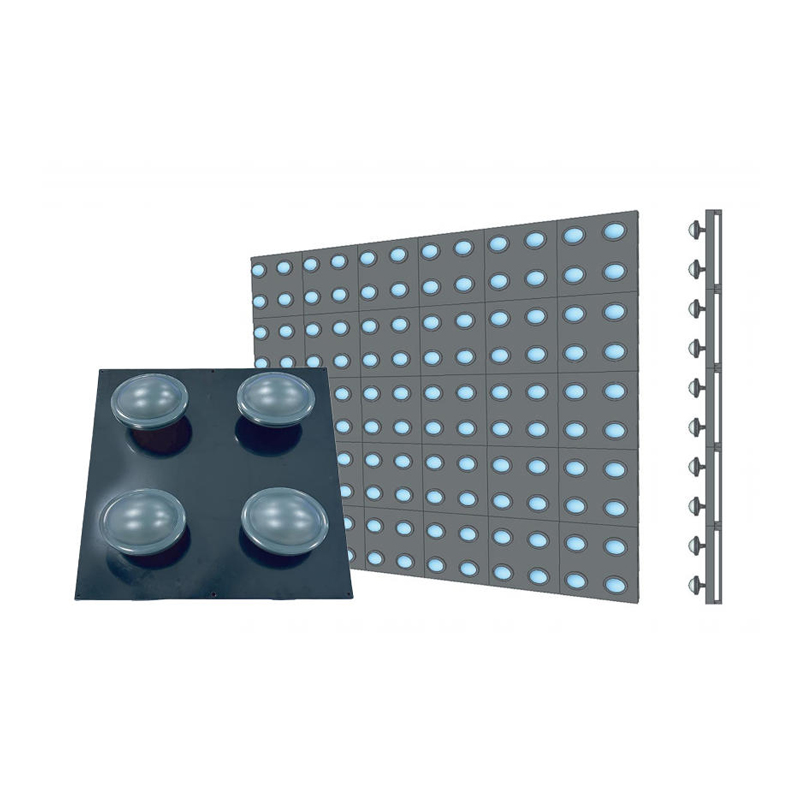
Pixel-Mapping and Generative Art Applications: The emergence of pixel-mappable bar light arrays has opened entirely new creative territory for digital artists. Each LED pixel within a bar fixture can be individually addressed, enabling the mapping of complex generative video content — produced in environments such as TouchDesigner, Resolume, or custom OpenFrameworks applications — directly onto three-dimensional architectural surfaces. Bar lights, when deployed in precision grid or sculptural configurations, effectively transform entire walls, ceilings, and floor planes into ultra-low-resolution LED canvases capable of displaying fluid organic visual content.
Biodynamic and Human-Centric Lighting: Research into the psychophysiological effects of light on visitor experience has introduced biodynamic lighting principles into gallery and exhibition design. Bar lighting systems with tunable white capability (spanning from warm 2700K to clinical 6500K color temperatures) are increasingly deployed within technology exhibitions to support circadian rhythm-aligned lighting schedules — gradually shifting color temperature and intensity throughout the day to optimize visitor cognitive engagement and emotional receptivity to exhibited content.
Wireless and Battery-Powered Systems: Particularly relevant for temporary exhibitions and touring digital art installations, wireless DMX-controlled and battery-powered bar light systems have eliminated the logistical burden of cabling in non-permanent settings. These systems communicate via 2.4GHz or 5.8GHz proprietary radio protocols and can sustain full-output operation for 6-12 hours per charge cycle, enabling flexible spatial configurations previously limited by power infrastructure constraints.
Key Market Trends & Technology Indicators
| Trend | Current Status | Projected Impact | Adoption Rate |
|---|---|---|---|
| Pixel-Mapping Bar Arrays | Mainstream in tier-1 galleries | Standard specification by 2027 | High |
| AI-Driven Lighting Automation | Early adoption phase | Transformative for real-time response | Growing rapidly |
| Wireless DMX Control | Established in touring shows | Expansion to permanent venues | High |
| Biodynamic Tunable White | Growing adoption | Standard in science museums by 2026 | Medium-High |
| RGBW + UV Spectrum | Professional standard | UV-reactive art integration | High |
| IoT Sensor Integration | Emerging in flagship venues | Fully interactive spatial systems | Medium |
Innovation Trends in Bar Lighting Technology
The next generation of bar lighting systems is defined by convergence — where hardware precision meets software intelligence to create truly adaptive illumination ecosystems.
AI-Responsive Illumination
Machine learning algorithms are being integrated into lighting control platforms to analyze visitor flow data in real-time. Bar lighting arrays dynamically adjust intensity, color temperature, and movement patterns based on occupancy density, dwell time, and aggregated behavioral analytics — creating environments that evolve autonomously in response to human presence without requiring manual operator intervention.
Generative Visual Synthesis
Collaboration between digital artists and lighting engineers has produced bar light installations where the luminaires themselves serve as display media. Pixel-addressed RGBW bar arrays are programmed to render procedurally generated visual content in real-time, responding to live audio input, sensor data, or algorithmic parameters — blurring the boundary between architecture and screen.
Networked Multi-Venue Control
Cloud-based lighting management platforms now enable simultaneous synchronization of bar lighting systems across geographically distributed gallery locations. A digital art institution with venues across multiple cities can deploy identical lighting shows in perfect temporal synchronization, enabling globally coordinated immersive experiences as new exhibition formats.
Energy-Efficient High-Output LEDs
The latest generation of high-power LED chips used in professional bar fixtures delivers efficacy ratings exceeding 200 lumens per watt — compared to 120-140 lm/W for typical commercial-grade fixtures. This efficiency leap enables exhibition designers to achieve dramatic photometric output levels while maintaining strict sustainability commitments and reducing operational energy expenditure significantly.
Wireless Mesh Network Architecture
Self-organizing wireless mesh protocols are replacing point-to-point wireless DMX links in complex installations. Each bar light fixture functions as both a receiver and a relay node, creating resilient distributed control networks that maintain operational integrity even when individual nodes fail — a critical reliability requirement for permanent gallery and museum installations.
Spectral Engineering for Art Preservation
For mixed-media exhibitions featuring physical artworks alongside digital displays, spectrally engineered bar lighting systems are designed to match the precise spectral power distribution of museum-standard conservation lighting — eliminating UV and IR radiation components while maintaining high color fidelity — protecting delicate analog artworks within digitally enhanced environments.
Deep-Dive Application Scenarios
Bar lighting technology finds its most compelling expression across a diverse spectrum of immersive digital art and technology exhibition environments.
🖼️ Permanent Digital Art Museum Installations
World-class digital art museums such as teamLab's global venues have established bar lighting as the structural backbone of large-format immersive environments. Floor-to-ceiling arrays of RGBW bar fixtures — typically deployed in precise geometric grids across ceiling planes — create the foundational light field upon which projected and screen-based content is layered. The result is a seamless dissolution of architectural boundaries, where the physical space appears to dissolve into pure luminous experience. Key technical requirements in this context include ultra-high CRI performance (95+), zero-flicker operation across all dimming levels (essential for clean video documentation), and a minimum 50,000-hour rated lifespan to minimize maintenance disruption during active exhibition periods.
🏢 Corporate Technology Experience Centers
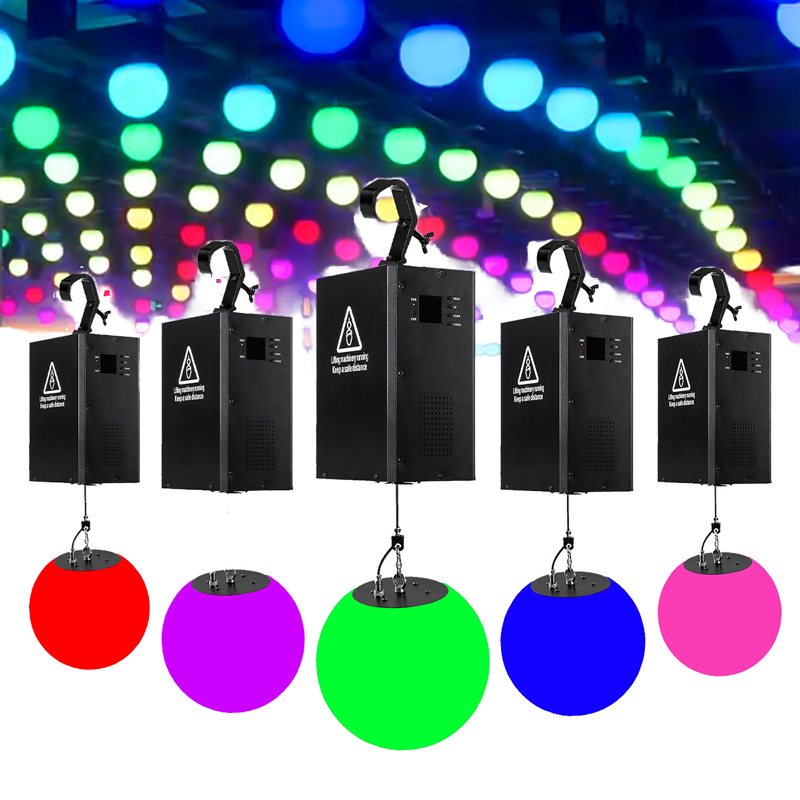
Global technology corporations — across sectors including semiconductors, artificial intelligence, autonomous mobility, and quantum computing — have invested heavily in purpose-built experience centers designed to communicate complex technological narratives to investors, partners, and the public. Bar lighting systems within these environments serve dual functions: as functional task lighting for interactive demonstration stations, and as atmospheric mood-setting infrastructure that reinforces corporate visual identity through precisely calibrated brand-color illumination. The integration of kinetic bar light elements — luminaires suspended from programmable motorized winch systems — adds a choreographic dimension to product reveal sequences and executive presentation environments.
🎪 Touring Immersive Art Exhibitions
The commercial touring immersive art market — encompassing traveling exhibitions built around the work of digital masters — represents one of the highest-volume bar lighting procurement segments. Touring productions require lighting systems engineered for rapid deployment and de-rigging cycles (typically 48-72 hours for complete venue build-out), robust construction tolerant of repeated transport stresses, and modular system architectures that can be scaled to accommodate venue footprints ranging from 500 to 5,000 square meters. Wireless DMX systems with battery backup capability are increasingly specified for touring applications to reduce dependency on venue power infrastructure quality.
🔬 Science and Technology Museum Galleries
Science and natural history museums integrating digital interpretation technologies into permanent gallery environments present unique bar lighting challenges. Exhibitions must simultaneously satisfy conservation lighting standards for physical artifacts, provide high-quality task illumination for interactive digital stations, and deliver atmospheric effect lighting for themed immersive zones — often within the same open-plan gallery space. Zoned bar lighting systems with independently controllable RGBW channels and tunable white capability enable single-infrastructure solutions that address this multi-mode performance requirement without the complexity and cost of parallel dedicated systems.
🎭 Brand Activation and Experiential Marketing
Premium brand activation events — luxury product launches, automotive reveals, technology keynotes — have adopted immersive bar lighting as a standard production tool. The ability to synchronize hundreds of individually addressed bar fixtures to music, narration, and live performance in real-time creates multi-sensory spectacles that achieve amplified emotional impact compared to conventional static scenic lighting. The increasingly broad color gamut achievable with modern RGBW+UV bar fixtures — spanning from deep ultraviolet through the full visible spectrum — enables the creation of dramatic visual effects including fluorescence activation, which creates spectacular visual moments impossible with conventional illumination technology.
🌃 Nightlife and Entertainment Complexes with Art Integrations
A growing category of premium nightlife and entertainment venues is integrating legitimate digital art programming into their spatial and operational identity. Bar lighting systems serve as the connective tissue between architectural illumination and curated generative art content — deployed as both decorative ceiling features and active art display media. The UFO and kinetic bar light formats are particularly favored in this context, combining high-impact visual presence with smooth DMX-controllable kinetic movement that responds dynamically to DJ performance and crowd energy readings from acoustic sensors embedded throughout the venue infrastructure.
The Future of Immersive Bar Lighting: Intelligence Meets Architecture
As spatial computing, extended reality (XR), and AI-generated content continue their rapid maturation, bar lighting systems will evolve from programmable instruments into intelligent environmental actors. The convergence of high-density addressable LED arrays, real-time generative content engines, and distributed IoT sensor networks will give rise to truly autonomous lighting environments — spaces that perceive their inhabitants, interpret their presence, and respond with nuanced, contextually appropriate luminous behavior. The bar lighting systems of the near future will not execute pre-written shows; they will improvise.
DMX Control Architecture: The Nervous System of Immersive Lighting
Professional-Grade Control Systems for Maximum Creative Freedom
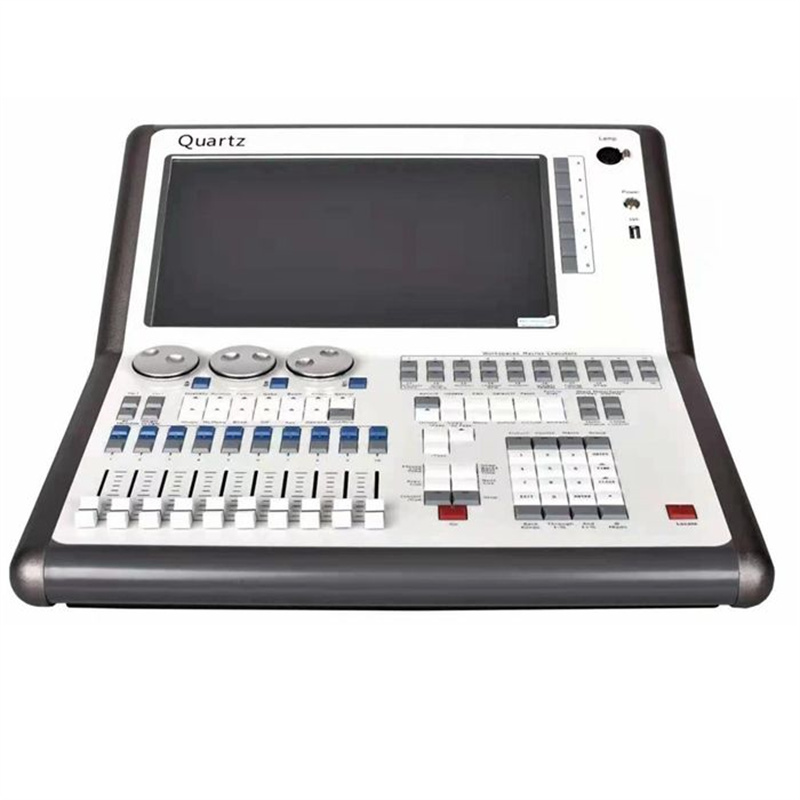
The sophistication of a bar lighting installation is ultimately determined not by the luminaires themselves but by the quality and capability of the control infrastructure that orchestrates them. Modern immersive digital art installations routinely incorporate multi-universe DMX systems spanning thousands of individual addressable channels — each representing an independent parameter of color, intensity, position, or motion for a specific fixture element.
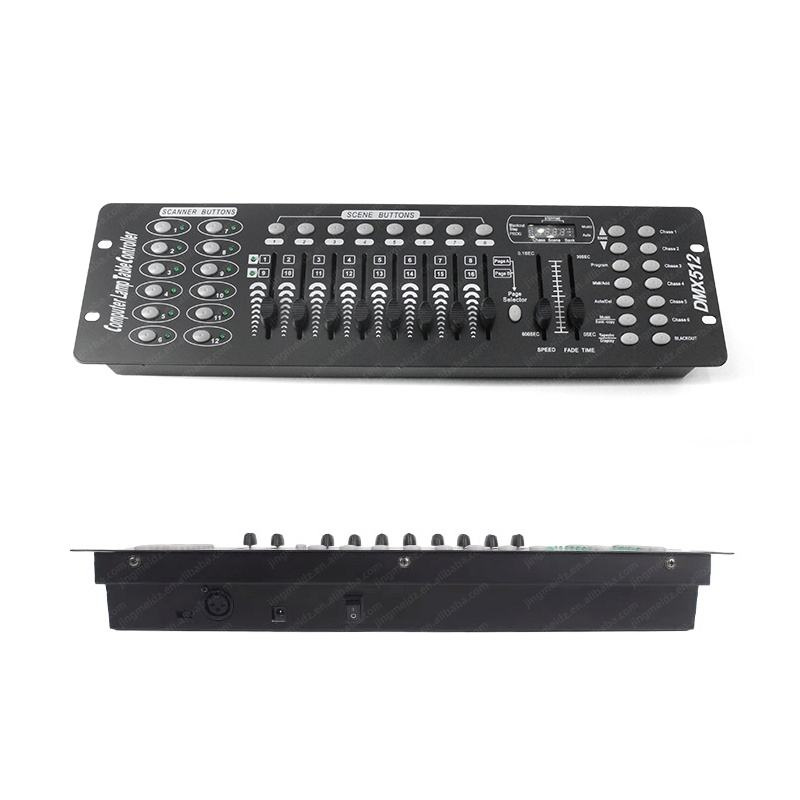
The DMX 512 protocol — the industry-standard digital communication format for professional lighting control — enables up to 512 individually addressable channels per universe, with modern installations deploying dozens of concurrent universes through Art-Net or sACN Ethernet distribution. This technical architecture enables lighting designers to achieve sub-millisecond synchronization precision across entire facility-scale bar lighting arrays — a capability that transforms lighting from a support element into a primary narrative medium with true cinematic timing.
- 2048-channel controllers enabling comprehensive multi-universe management
- Real-time show recording and playback with programmable cue stacks
- MIDI, OSC, and GPIO external trigger integration for interactive installations
- Software-based virtual patching for rapid configuration modification
- Redundant backup control system architecture for mission-critical environments
- Cloud-based show data storage and remote system monitoring capabilities
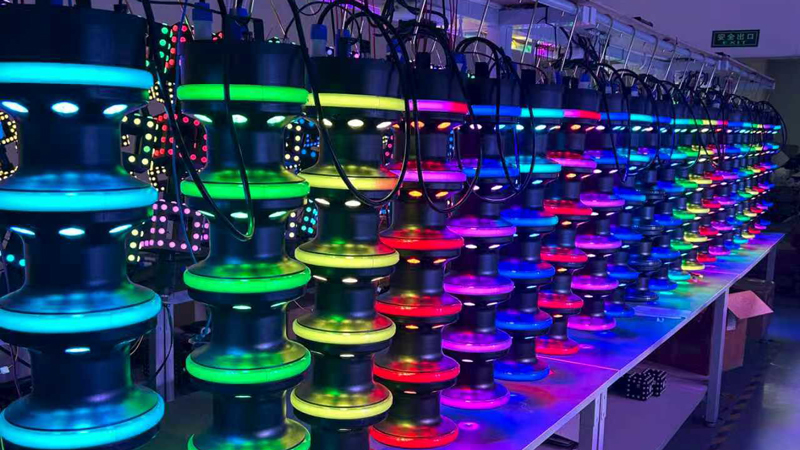
Why Choose Our Bar Lighting Solutions
Engineered for the most demanding immersive digital art and technology exhibition applications worldwide.
High Quality of The Product
With an excellent management group and technical group, the company will make efforts to increase R & D investment in order to ensure the high quality of the product for clients. Our company's vision is: SINCERE, PROFESSIONAL, INNOVATION.
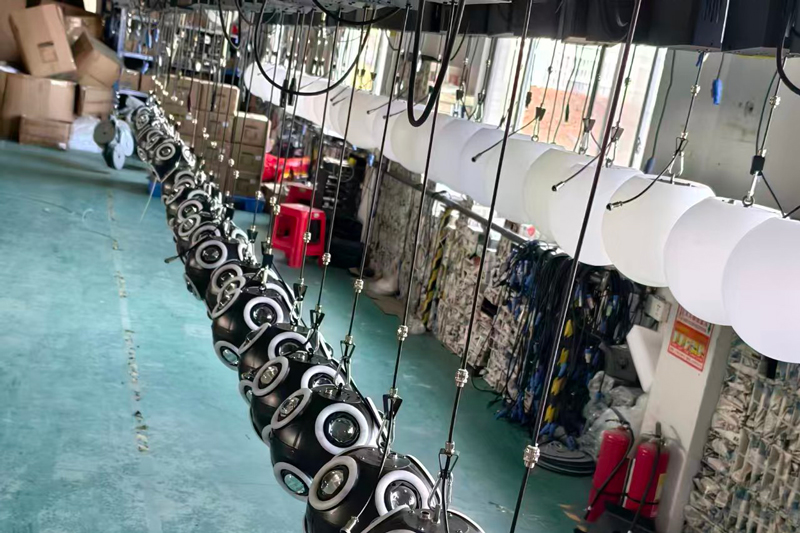
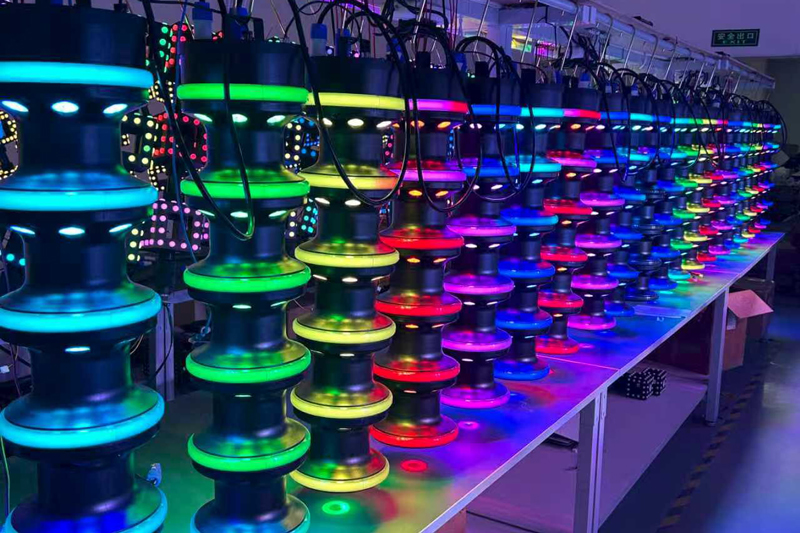
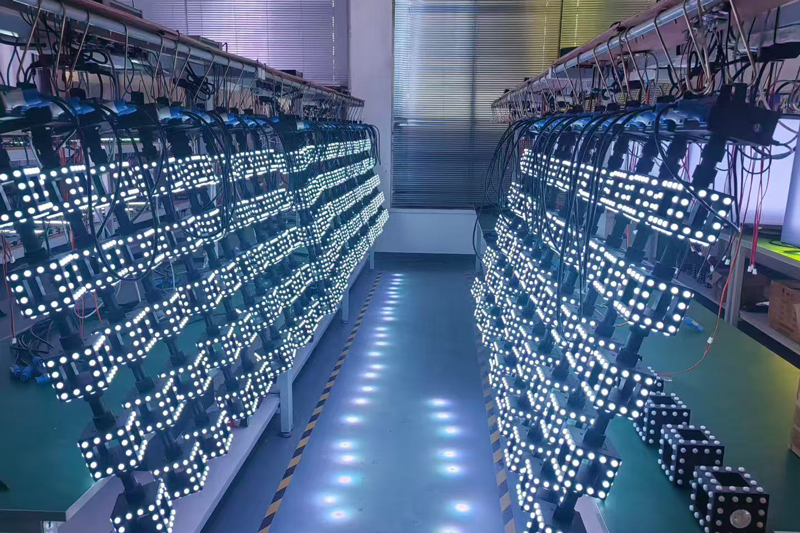
Every bar lighting fixture that leaves our facility undergoes rigorous photometric testing, thermal cycle validation, and DMX protocol compliance verification before dispatch — ensuring that every component performs to specification from first power-on through decades of continuous operation in demanding immersive gallery and exhibition environments.
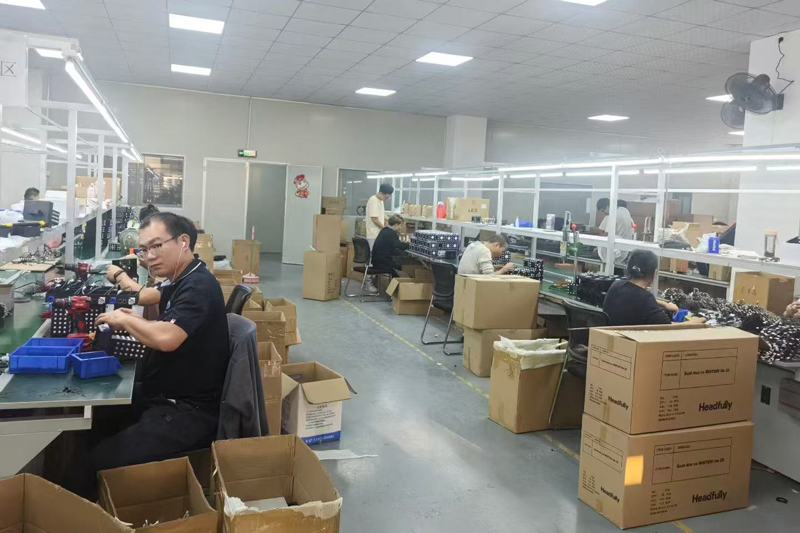
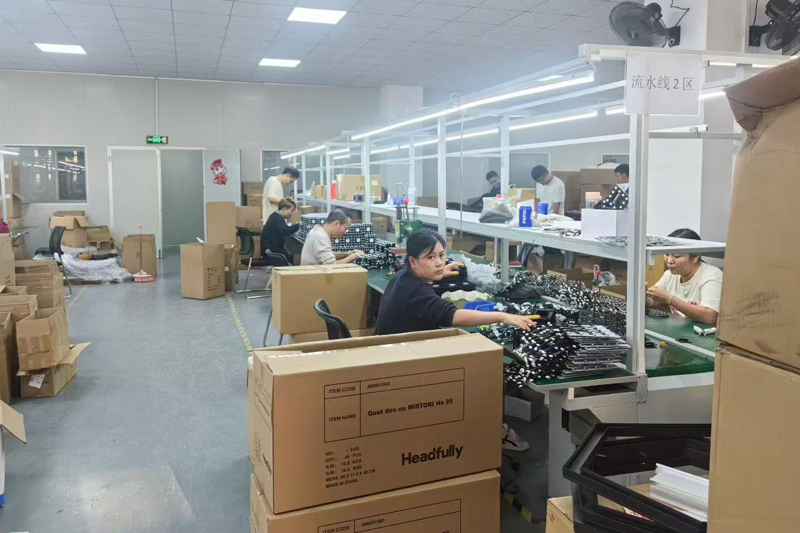
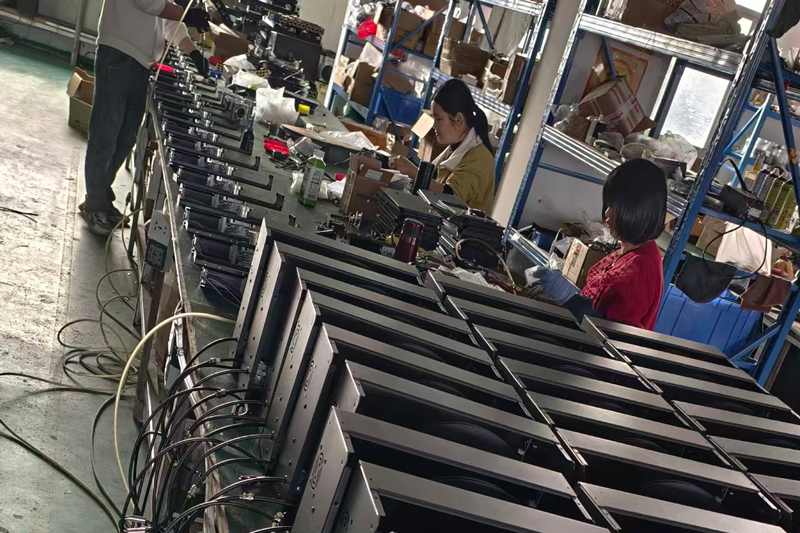
Factory Tour
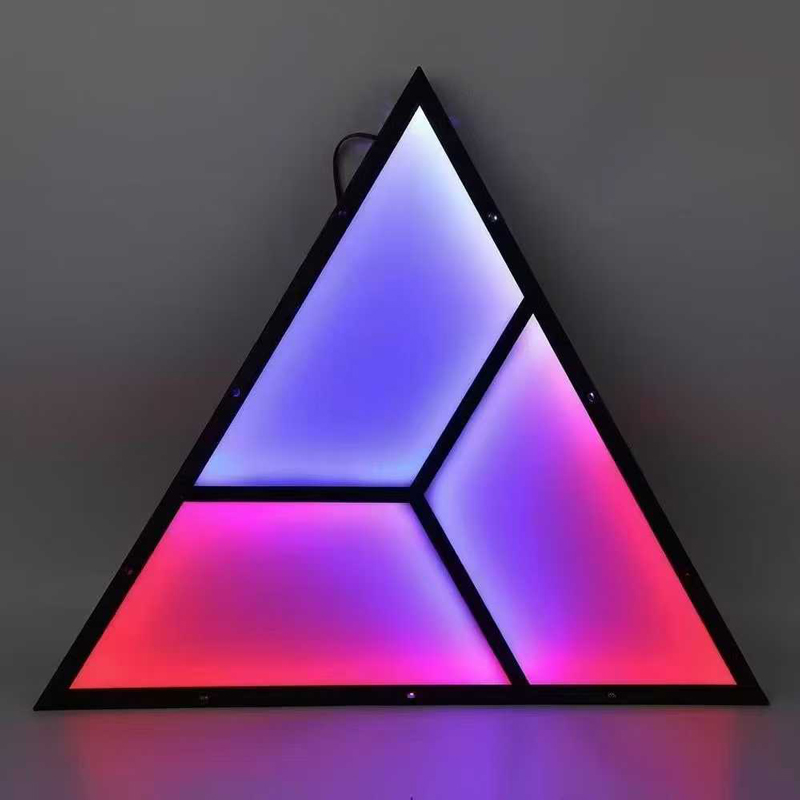
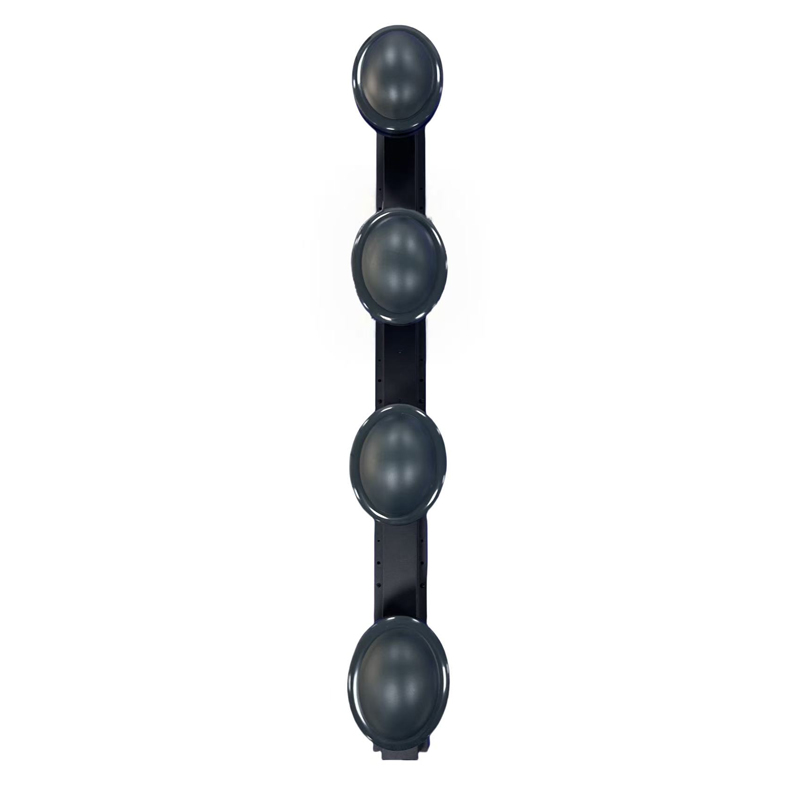
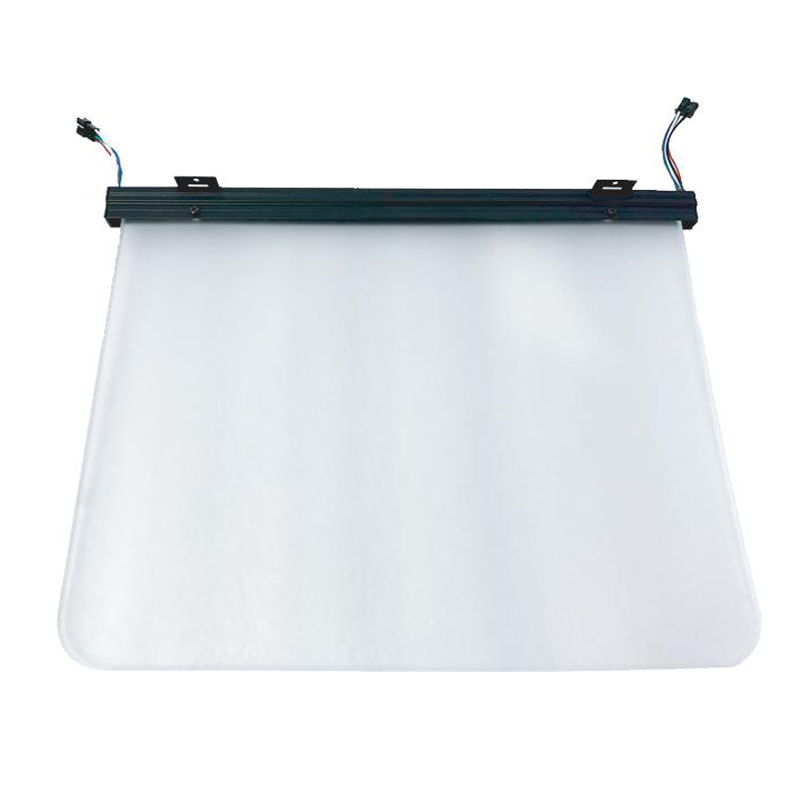
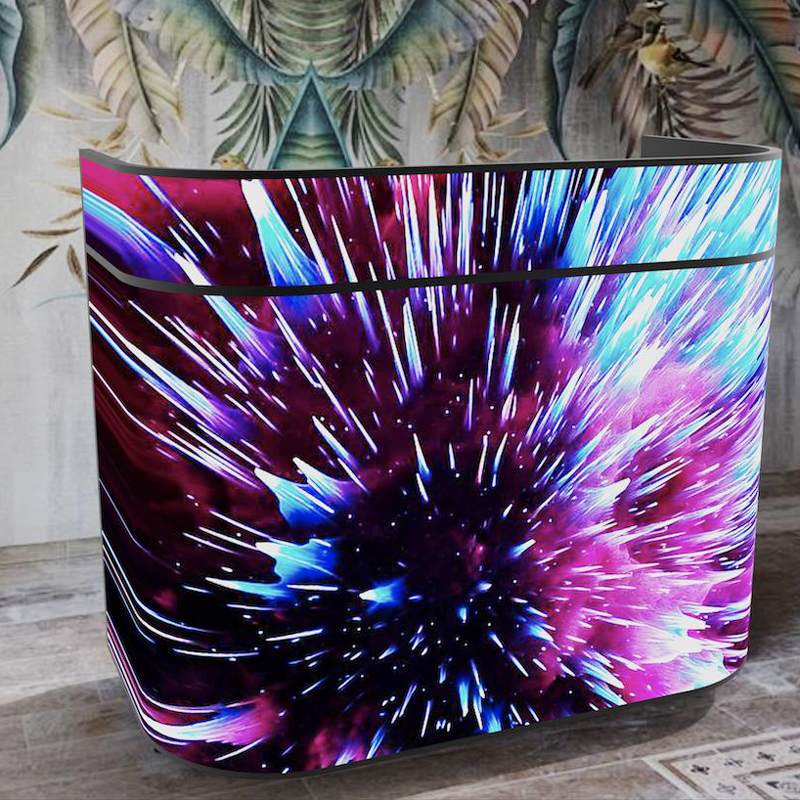
Complete Bar Lighting Product Range For Immersive Spaces
From kinetic ceiling installations to precision control consoles — every component your digital art gallery or technology exhibition requires.
Ready to Transform Your Space with Professional Bar Lighting?
Connect with our expert team to discuss your immersive digital art gallery or technology exhibition project. We provide comprehensive consultation, 3D visualization, and end-to-end project support across all global markets.
Request a Consultation-
CONTACT WHATSAPP
-


-
CONTACT WECHAT
-


-
CONTACT ADDRESS
 Huafafengshang, Doumen District, Zhuhai, Guangdong, China
 -
 Huafafengshang, Doumen District, Zhuhai, Guangdong, China
 -
CONTACT NUMBER
-


-
CONTACT E-MAIL
-

